
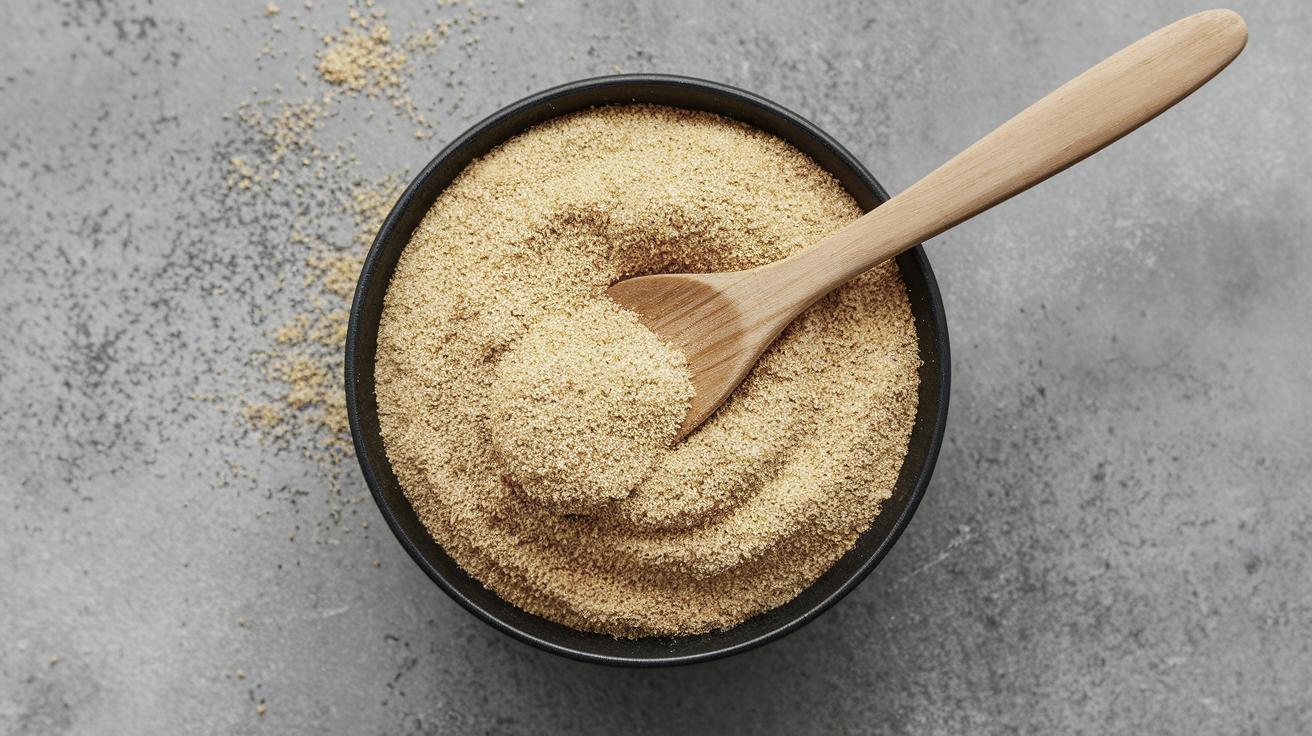
The Advantages of Using Nutritional Yeast
Nutritional yeast, affectionately dubbed “nooch” by its followers, is a versatile and nutrient-rich ingredient making waves in kitchens and health circles. Its cheesy and nutty flavor, coupled with its impressive nutrient profile, has made it a favorite among vegans and health enthusiasts alike. In this article, we’ll explore what nutritional yeast is and why it should earn a spot in your pantry. We’ll delve into its nutritional content, highlighting standout nutrients like vitamin B12, the presence of antioxidants, and potential health benefits ranging from immune support to cholesterol management. Additionally, we’ll guide you on incorporating this culinary gem into your diet safely. By the end, you’ll have a comprehensive understanding and a handy reference to guide your culinary and health pursuits with nutritional yeast.
What is nutritional yeast?
Nutritional yeast is a deactivated form of yeast, specifically a strain of Saccharomyces cerevisiae. Unlike the yeast used in baking bread, this yeast doesn’t cause dough to rise. Instead, it’s grown on a glucose-based medium like molasses, harvested, and heated to kill the yeast cells, thus deactivating them. This process preserves its nutritional profile while rendering it safe for consumption and digestion.
Loved for its unique, cheesy flavor, nutritional yeast has become a staple in vegan and vegetarian diets. It offers an umami punch to dishes, making it a sought-after ingredient in sauces, dressings, and even sprinkled as a seasoning on popcorn. Its versatility in culinary applications is surpassed only by the breadth of its health advantages.
Nutrients and health benefits of nutritional yeast
Comparison with other types of yeast
Nutritional yeast differs from both brewer’s yeast and baker’s yeast. Brewer’s yeast, a byproduct of brewing beer, has a more bitter flavor and is not commonly used for culinary purposes. Baker’s yeast, on the other hand, is active yeast used to make dough rise. Neither of these forms is used for direct consumption, unlike nutritional yeast, which is deactivated and food-safe.
In terms of nutrition, all three have different profiles. Nutritional yeast is primarily sought for its richness in B vitamins and its protein content, while brewer’s yeast may be used as a natural dietary supplement specifically for its chromium content.
Types of nutritional yeast
There are mainly two types of nutritional yeast available: fortified and unfortified. Fortified nutritional yeast contains added vitamins and minerals, making it particularly appealing for vegetarians and vegans who may need supplementation, especially of B vitamins. Unfortified versions, meanwhile, rely solely on their naturally-occurring nutrients.
Both types offer benefits, but if you’re seeking a particular nutritional boost, like vitamin B12, the fortified versions may better meet your needs. Regardless of type, nutritional yeast remains a great way to enhance meals with additional flavor and protein.
Nutrients of note
Nutritional yeast is rich in protein and fiber, providing an excellent plant-based source of essential amino acids. It also boasts a robust B vitamin complex, which includes thiamine, riboflavin, niacin, and folate. Notably, fortified versions can be an exceptional source of vitamin B12, vital for keeping nerve and blood cells healthy.
Beyond B vitamins, nutritional yeast contains selenium, zinc, and manganese, all of which contribute to its antioxidant properties. This nutrient density makes nutritional yeast a superb addition for those looking to enhance their nutritional intake without adding excessive calories or fats.
Packed with vitamin B12
Vitamin B12 is crucial for the production of red blood cells and the maintenance of the nervous system. For vegans and vegetarians, who may struggle to obtain adequate B12 from plant sources, nutritional yeast can be a game-changer. Many fortified varieties provide more than the daily recommended intake in just a couple of tablespoons.
This is particularly significant as B12 deficiency can lead to anemia and neurological issues. By incorporating nutritional yeast into your diet, you can help bridge this common nutritional gap, particularly in plant-based diets, ensuring balanced and comprehensive nutrient intake.
Contains powerful antioxidants
Nutritional yeast contains antioxidants like glutathione and selenomethionine, which play a pivotal role in protecting cells and DNA from oxidative damage. These antioxidants actively combat free radicals, reducing the risk of chronic diseases and supporting overall health.
Furthermore, the presence of these antioxidants helps support detoxification pathways in the liver, improving the body’s capacity to process and eliminate toxins. By including nutritional yeast in your meals, you’re not just enhancing flavor but also equipping your body with a powerful arsenal against oxidative stress.
May boost immune health
The beta-glucans in nutritional yeast are known for their immune-enhancing properties. They activate various immune cells, including macrophages, which are essential in the body’s defense against pathogens. Regular consumption may thereby enhance the body’s natural immune response.
Given its immune support, nutritional yeast becomes especially valuable during cold and flu seasons. For those with compromised immune systems or during periods of high stress, integrating this superfood can offer significant support in warding off infections and promoting general well-being.
May help lower cholesterol levels
Some studies suggest that the beta-glucans in nutritional yeast can also help lower cholesterol levels. By binding with cholesterol in the gut and preventing its absorption, it allows for the removal of cholesterol from the bloodstream, which may lead to improved heart health.
Incorporating nutritional yeast as part of a balanced diet rich in fruits, vegetables, and whole grains can, therefore, be an effective strategy for managing cholesterol levels naturally. This can be particularly beneficial for those seeking dietary methods for cardiovascular health instead of relying solely on medication.
How to use nutritional yeast
Nutritional yeast can be sprinkled on a variety of dishes to enhance flavor and nutrition. Its cheesy taste makes it a popular choice for vegan cheeses and sauces. You can blend it into soups, use it to coat roasted vegetables, or sprinkle it over pasta, popcorn, or rice for a tasty finish.
For those new to nutritional yeast, starting with small amounts might help acclimate you to its robust flavor. As you become more comfortable, you might experiment with recipes that heavily feature its savory, umami-rich profile, such as in creamy dips and sauces.
Side effects and safety
Generally considered safe, nutritional yeast is well tolerated by most people, but it’s crucial to be aware of potential allergies or sensitivities. Some individuals may experience digestive discomforts, such as bloating or headaches if consumed in large quantities.
Additionally, individuals with a tendency for calcium oxalate kidney stones might need to moderate their intake due to the presence of purines that can contribute to uric acid buildup. Consulting a healthcare provider if you have existing medical conditions or are pregnant is always advisable before introducing a new supplement like nutritional yeast into your diet.
The bottom line
Just one thing.
Nutritional yeast is a powerhouse of flavor and nutrition. Its ease of use and compatibility with a variety of diets make it an invaluable tool for anyone seeking to boost their nutrient intake. Whether you’re vegan, vegetarian, or simply looking to diversify your nutrient sources, adding nutritional yeast to your pantry is a step towards comprehensive health.
Remember, moderation is key, and it’s always best to incorporate a diverse array of foods in your diet for balanced nutrition. Let nutritional yeast be just one component of a colorful and varied culinary palette.
| Aspect | Details |
|---|---|
| What is nutritional yeast? | Deactivated yeast rich in nutrients and known for its cheesy flavor. |
| Nutrients and benefits | Rich in B vitamins, protein, and antioxidants; supports immune and heart health. |
| Types | Fortified and unfortified; both provide health benefits but differ in vitamin content. |
| Main nutrients | Vitamin B12, protein, fiber, selenium, and zinc. |
| How to use | Ideal for sauces, toppings, and snacks; complements many diets. |
| Safety | Well-tolerated generally; watch for sensitivities or allergies. |

