
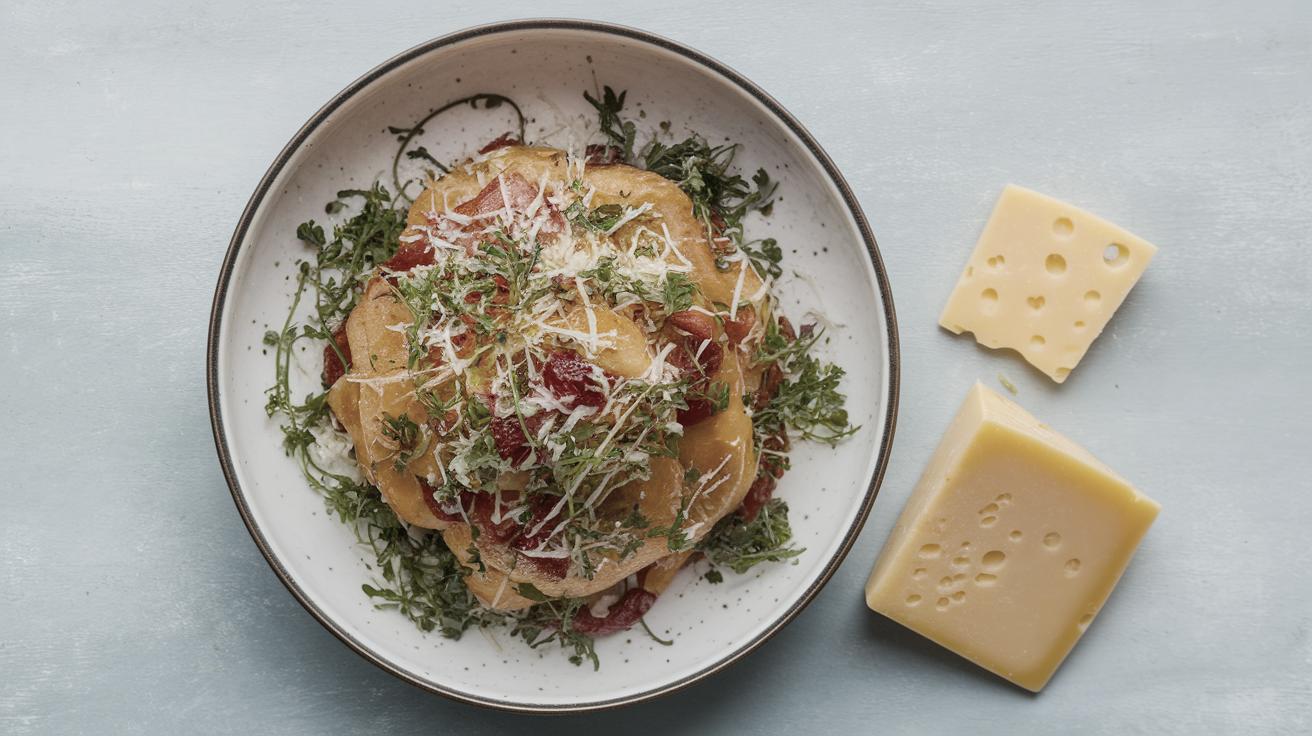
How to Incorporate Cheese in Original Recipes
Cheese is one of the most versatile ingredients out there, beloved for its ability to transform a variety of dishes with rich flavors and irresistible textures. In this blog post, we’ll explore how you can incorporate cheese into original recipes that cater to diverse palates and preferences. From selecting the right ingredients and following a set of easy directions, to crafting delicious homemade cheese, you’ll discover not just the technique but the tips to elevate your culinary creations. We’ll also look at handy nutritional facts for mindful eating. Whether you’re a seasoned home chef or a curious foodie, these insights into cheesy recipe innovation will inspire your next kitchen adventure.
Ingredients
When selecting ingredients to pair with cheese, opt for fresh and high-quality components that complement its distinct flavors. Think of robust tomatoes, crispy greens, or artisanal bread types that can be layered with your favorite cheeses. Ingredients like fresh herbs can enhance the aromas while seasoning with pepper and sea salt can amplify the taste. The key is to create a balance where cheese is the star while other ingredients support its flavors.
Consider specific cheeses for particular recipes—of course, this depends on your personal taste and the dish being prepared. Soft cheeses like mozzarella or ricotta work excellently in lighter dishes such as salads or pasta, whereas sharper varieties like cheddar and blue cheese can create a bold statement when added to casseroles or gourmet sandwiches. Matching the acidity, taste, and texture of your cheese with your choice of accompaniments helps in creating a harmonious dish.
Directions
The secret to successfully incorporating cheese into your recipes lies in the method of preparation. For instance, grating cheese not only makes for easier melting but also allows for better distribution across your dish, ensuring every bite is infused with cheesy goodness. Melt semi-hard cheeses slowly to maintain their silky texture, while soft cheeses can be tossed right before serving for that luxurious creamy finish.
Experiment with varied techniques such as baking, grilling, or even smoking cheeses to add a unique flavor profile. When creating a cheese sauce, be sure to continuously whisk and gently heat the mixture to avoid clumping. Adding a splash of wine or a pinch of mustard can further enhance the complexity of your cheese-infused creations. Regularly taste your dish as you incorporate cheese to ensure it retains the desired flavor and texture balance.
Photos of How to Make Homemade Cheese
We’ve captured the cheese-making process in step-by-step photos to guide you through creating your own homemade cheese. Starting with fresh milk, follow each stage—curdling with rennet, cutting the curds, and draining the whey—to see how each element transforms. Our visual guide will help you demystify the process and give you the confidence to recreate it in your kitchen.

Additionally, pay attention to how temperature and timing influence the end product. Knowing these crucial factors helps in solidifying your results. Beyond the single recipe, these images will inspire you to experiment with cheese by adding herbs or spices during the curding phase, crafting a precisely unique creation each time.
Recipe Tip
Always allow cheese to reach room temperature before using it in recipes. This helps in bringing out its full flavor potential and ensures even cooking. Store different types of cheese separately in the fridge wrapped in wax paper or parchment paper instead of plastic to prevent them from sweating and losing their natural moisture.
Nutrition Facts (per serving)
Understanding the nutritional facts of cheese can guide you in making informed culinary choices. Cheese can be high in calories and fat content, but it is also an excellent source of protein and calcium. A serving size of 1 ounce of cheese contains approximately 100-120 calories, 6-10g of fat, and around 6g of protein, dependent on the type of cheese used.
Choosing reduced-fat cheese options or incorporating smaller amounts into recipes are practical ways to enjoy cheese without exceeding daily dietary guidelines. Remember, moderation is essential—strike a balance by offsetting richer cheesy elements with fresh vegetables or lean proteins within your meal.
Summary of Main Points
| Section | Overview |
|---|---|
| Ingredients | Use complementary ingredients, focus on balancing cheese flavors with fresh produce and artisanal components. |
| Directions | Employ techniques like grating, slow melting, and adding flavor enhancers to seamlessly incorporate cheese. |
| Photos of How to Make Homemade Cheese | Step-by-step images demystify the cheese-making process for home crafting with creative experimentation tips. |
| Recipe Tip | Bring cheese to room temperature before using and store it properly for optimum taste and texture. |
| Nutrition Facts | Cheese is rich in nutrients but should be consumed in moderation; balance it with healthier meal components. |

