
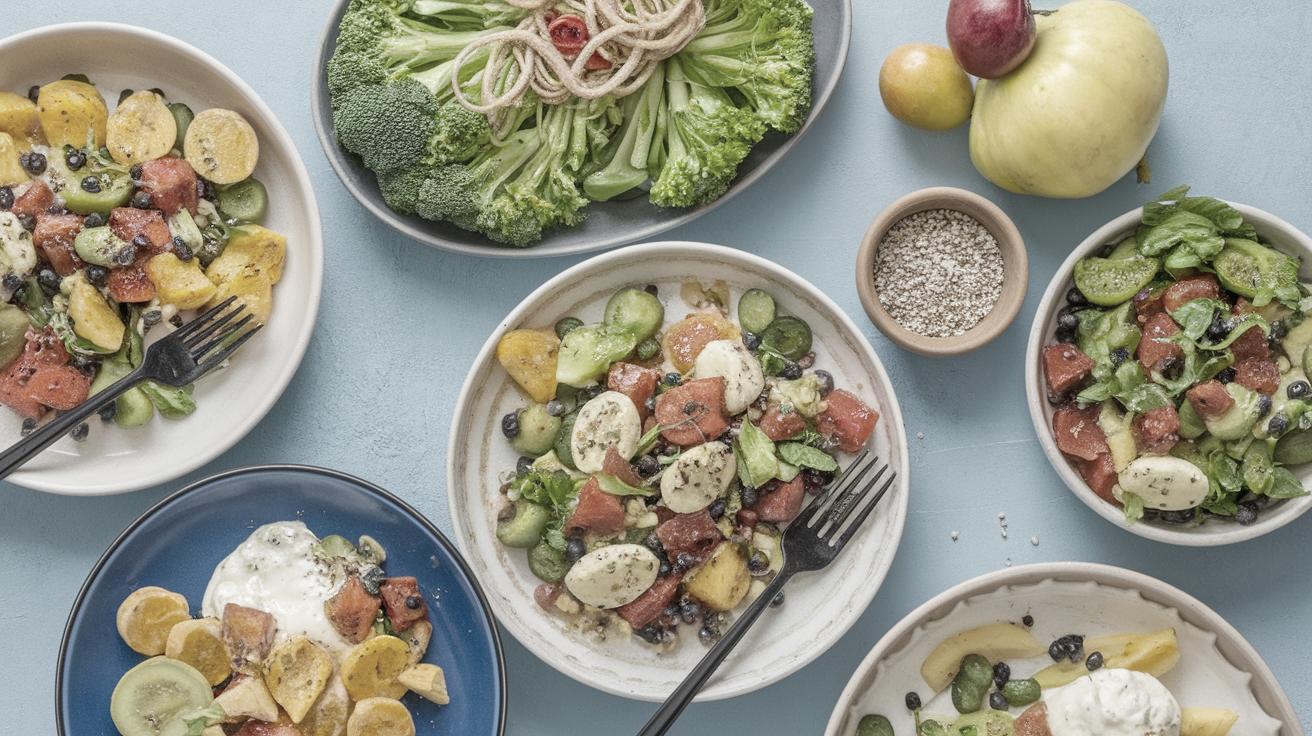
How to Cook Colorful and Nutritious Meals for Kids
Encouraging children to eat healthy can often feel like an uphill battle, but making nutritious meals fun and appetizing can set the stage for a lifetime of good habits. In this guide, we delve into the importance of healthy eating for children, explore their nutritional needs, and provide practical tips to make healthy foods appealing. From breakfast and snack ideas to lunch and dinner inspiration, you’ll discover how to create vibrant, wholesome meals that captivate young appetites. Additionally, learn about the value of hydration, the benefits of involving kids in meal preparation, and smart shopping tips. Let’s embark on a journey to transform mealtimes into enjoyable and nutritious experiences for your little ones!
The Importance of Healthy Eating for Kids
A balanced and nutritious diet is the cornerstone of a child’s development, as it supports their physical growth, cognitive development, and immune system. It is crucial to instill healthy eating habits early on, as these preferences often follow children into adulthood. Ensuring a rich intake of fruits, vegetables, whole grains, and lean proteins can help kids achieve their full potential, both physically and mentally.
Moreover, healthy eating is linked to a reduced risk of developing chronic diseases such as obesity, diabetes, and heart disease later in life. Given these long-term benefits, it’s essential to provide varied, nutritious meals that encourage a love for all the colors and flavors of fresh, wholesome food. By introducing kids to an array of healthy options, we cultivate a palate that appreciates real, nourishing food.
Nutritional Needs of Children: A Quick Guide
Every stage of a child’s development requires specific nutrients to support their growth. For young children, adequate intake of calcium and vitamin D is necessary to build strong bones and teeth. Iron is crucial for cognitive development, while fiber-rich foods promote a healthy digestive tract. A balanced diet that includes all food groups ensures that children get the vital nutrients they need to thrive.
It’s beneficial to understand that protein serves as the building block for body tissues, aiding in repair and growth. Additionally, healthy fats from sources like fish, avocados, and nuts are pivotal for brain development. Encouraging a diverse diet filled with colorful fruits and vegetables not only satisfies the daily recommended nutrient intake but also introduces different textures and flavors.
Making Healthy Foods Appealing to Kids
Presentation is key when serving meals to children. Kids eat with their eyes first, so using bright colors and interesting shapes can make healthy foods more appealing. Fun visuals like smiley faces on pancakes or animal-shaped sandwiches can make mealtime an exciting experience. The goal is to ignite their curiosity and willingness to try new things.
Another effective strategy is to involve children in meal planning and preparation. Allow them to choose between two healthy options or help with safe kitchen tasks. By giving them a sense of ownership over their meals, they’re more likely to eat what they’ve helped create. It can turn cooking into an engaging learning opportunity where they discover the joys of different ingredients.
Breakfast: The Most Important Meal of the Day
Kickstarting the day with a healthy breakfast is fundamental for kids, providing energy and improving concentration levels in school. Opt for whole-grain cereals or oatmeal topped with fruits to offer a boost of fiber and vitamins. Smoothies packed with greens and berries are a delicious way to pack in nutrients when time is short.
For children who struggle to eat in the morning, consider simple yet nutritious options like yogurt parfaits with granola and fruit, or whole-grain toast with avocado or nut butter. These options not only satiate morning hunger but also provide the lean proteins and fats necessary for sustained energy throughout the day.
Snack Time: Healthy Options for Hungry Kids
Snacks are an opportunity to reinforce healthy eating patterns in children. Rather than sugary, processed snacks, opt for fruits, vegetables, and proteins. Slice an assortment of colorful veggies and pair them with hummus or yogurt-based dips. Fresh fruit skewers are another enticing option that’s both sweet and fun to eat.
Additionally, nuts and seeds offer a burst of healthy fats and proteins. Consider creating homemade trail mix with dried fruits and roasted nuts for an easy, on-the-go snack. By choosing nutritious snacks, you help maintain energy levels and prevent overeating during mealtimes.
Lunch Ideas That Kids Will Love
Lunchtime is an opportunity to include a variety of nutrients in a single meal. Creative sandwich wraps filled with lean meats, cheese, and vegetables can be appealing. Bento boxes featuring bite-sized portions of different foods add an element of surprise and fun for children.
Incorporate whole grains through dishes like brown rice or whole-wheat pasta salads, loaded with colorful vegetables and a hint of dressing. Soup and stews with plenty of vegetables and legumes are comforting options that provide nourishment during colder months. Balance and variety keep lunch exciting and satisfying.
Family-Friendly Dinners
Dinner is an opportunity for the family to reconnect over a shared meal and experiment with new recipes. Prioritize simple yet nutrient-rich dishes like roasted chicken with a medley of vegetables, or lean protein tacos paired with colorful toppings like tomatoes, avocados, and corn.
Incorporating “themed” dinner nights, such as “Build Your Own Pizza” or “Taco Tuesday,” ensures meals are entertaining and participative. Use whole-grain bases or shells and encourage kids to pick their favorite healthy toppings, reinventing traditionally indulgent meals in a balanced way.
Hydration for Kids: Fun and Healthy Drinks
Proper hydration is an essential element of a child’s diet, affecting everything from mood to concentration. Encourage water as the primary beverage, adding slices of fruit for flavor. Natural fruit juices and milk can also contribute to overall fluid intake, but should be consumed in moderation due to their natural sugar content.
For a fun twist, consider infusing water with a combination of fruits and herbs, such as strawberries and mint or cucumbers and lemons. Homemade herbal iced teas served without added sugars can also provide refreshing alternatives to sugary drinks.
Involving Kids in the Kitchen: A Recipe for Success
Involving kids in the kitchen fosters a positive relationship with food and teaches essential skills. Allowing children to participate in age-appropriate cooking tasks can increase their interest in the meals they help create. From washing vegetables to stirring batter, there are numerous safe activities that can make them feel included.
Encourage curiosity by discussing the origins of ingredients and the nutritional benefits they provide. This educational approach not only builds cooking skills but also instills the importance of conscious eating habits. As they grow, children who have been involved in cooking are more likely to appreciate and adopt a diverse diet.
Tips for Grocery Shopping with Kids
Grocery shopping is a perfect opportunity to teach children about nutritious foods. Turn shopping trips into an educational activity by allowing them to select fruits and vegetables or find ingredients listed on a healthy meal plan. Explain how different foods contribute to a well-rounded diet, engaging them in discussions about color, texture, and nutrients.
Setting a positive example by choosing whole foods and reading nutrition labels can greatly influence a child’s choices. Use shopping as practice for critical thinking about food and inspire them to make informed decisions. Such experiences build essential life skills and solidify their understanding of healthy eating practices.
Next Steps: Building Lifelong Healthy Eating Habits
Building healthy eating habits in children requires creativity, patience, and consistency. By prioritizing balanced nutrition and involving kids in cooking and food choices, you are laying the groundwork for a lifetime of healthy eating. Celebrate small victories when they try new foods, and encourage exploration of new flavors and textures.
| Section | Summary |
|---|---|
| The Importance of Healthy Eating for Kids | Healthy diets are crucial for growth, development, and disease prevention in kids. |
| Nutritional Needs of Children: A Quick Guide | Children’s diets need to be rich in essential nutrients and whole foods. |
| Making Healthy Foods Appealing to Kids | Use visual appeal and involvement in meal preparation to entice kids. |
| Breakfast: The Most Important Meal of the Day | Focus on nutrient-rich breakfasts for energy and concentration. |
| Snack Time: Healthy Options for Hungry Kids | Offer fruits, veggies, and proteins as nutritious snacks. |
| Lunch Ideas That Kids Will Love | Incorporate variety and balance with creative lunch options. |
| Family-Friendly Dinners | Create fun and beneficial family meals with themed nights. |
| Hydration for Kids: Fun and Healthy Drinks | Encourage flavorful, unsweetened hydration options. |
| Involving Kids in the Kitchen: A Recipe for Success | Build positive food relationships through kitchen involvement. |
| Tips for Grocery Shopping with Kids | Use shopping trips to educate kids on nutritious choices. |

