
Impacts of New Technologies on the Restaurant Industry
In recent years, the restaurant industry has witnessed a significant transformation powered by digital technologies. From AI-powered tools to automation, restaurants are leveraging technology to enhance customer satisfaction, streamline operations, and boost efficiency. This blog delves into how these innovations are reshaping dining experiences. We’ll explore the role of digital tech in personalized experiences, assistive tools for staff, meal selection guidance, customer service enhancement, and more. Discover how technology is paving the way for sustainable energy use, digitizing recipes, and optimizing supply usage, ultimately revolutionizing the way restaurants operate today.
Tech Tracker: How Digital Tech is Capitalizing on the Hot Restaurant Reservations Market
1. Providing Highly Personalized Experiences
The use of technology to offer personalized experiences has become a cornerstone of the modern dining experience. By leveraging data analytics and customer relationship management systems, restaurants can tailor their services to meet individual preferences. From customized menu recommendations to personalized greetings, digital tools help restaurants create a unique and welcoming atmosphere for each visitor.
Smart reservation systems and customer profiles allow restaurants to anticipate and cater to their guests’ needs before they even arrive. This level of personalization not only enhances customer satisfaction but also fosters loyalty and repeat business. Insights derived from past visits and preferences enable restaurants to create memorable experiences that resonate with their clientele.
2. Assisting Waitstaff
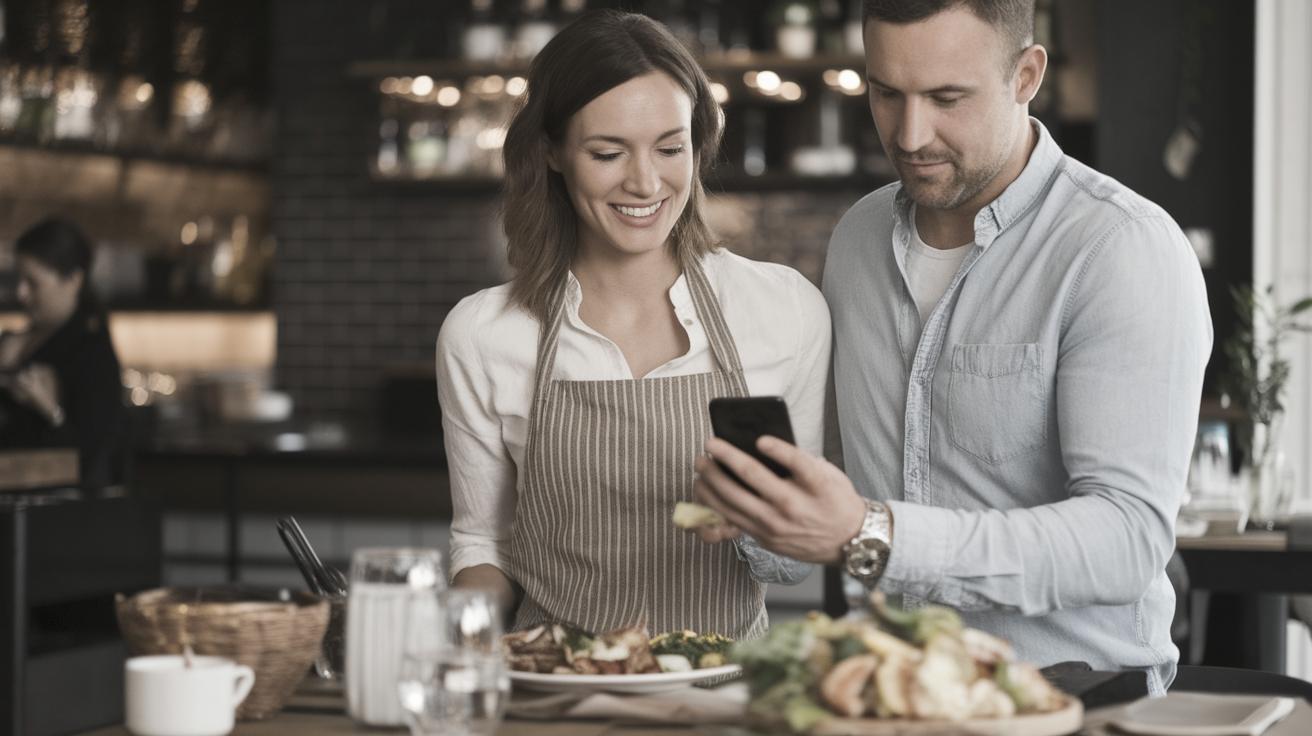
Technology is also playing an instrumental role in assisting waitstaff to perform their duties more efficiently and accurately. Tablets and smartwatch devices allow waitstaff to take orders and communicate with the kitchen seamlessly, reducing the likelihood of errors and ensuring timely service. These tools empower staff to focus more on customer engagement rather than operational overhead.
Additionally, tech tools can provide waitstaff with real-time information about a patron’s dietary restrictions or preferences, enabling them to make informed recommendations. This support system enhances the overall dining experience, making it more enjoyable and personalized for guests while optimizing the workflow of restaurant staff.
3. Guiding Patron’s Meal Selections
Digital menus and AI-powered chatbots have revolutionized the way customers make meal selections. Interactive digital menus provide vivid imagery and detailed descriptions of dishes, giving patrons an immersive experience before they order. This not only helps in managing their expectations but also encourages them to explore new menu items.
AI-powered chatbots can interact with customers through restaurant apps or websites, guiding them through meal selections based on their preferences, dietary needs, and previous orders. These technologies facilitate a personalized recommendation system, fostering a seamless and satisfying decision-making process for patrons.
4. Identifying Repeat Customers for Enhanced Service
Customer retention is essential in the restaurant industry, and technology offers robust solutions for identifying and rewarding repeat customers. By harnessing data analytics, restaurants can develop comprehensive profiles of loyal patrons, allowing them to offer bespoke services, special offers, or loyalty rewards to encourage repeat visits.
Automated customer recognition systems, often integrated with reservation management software, empower staff to recognize repeat visitors quickly and provide tailored experiences. This not only strengthens customer relationships but also enhances brand loyalty, fostering an inviting and personalized dining environment.
5. Reducing the Number of Unsatisfactory Orders
Accurate order processing is critical to minimizing unsatisfactory customer experiences. Technology solutions, including mobile point of sale (mPOS) systems and order tracking apps, enable precision in the communication of customer orders from the front-of-house to the kitchen. These systems help in ensuring that dishes are prepared according to customer specifications every time.
Moreover, feedback mechanisms integrated with these technologies allow restaurants to swiftly address any issues that may arise, providing a channel for customers to communicate their concerns directly and effectively. This corrective feedback loop helps in maintaining high standards of service quality while reducing the potential for negative experiences.
6. Powering Food-Preparation Robots
The introduction of robotics in food preparation has paved the way for increased efficiency and consistency in restaurant kitchens. Automated machines can handle repetitive tasks such as chopping, stirring, and even cooking intricate recipes, ensuring uniformity and precision in every dish served.
Robots can significantly reduce food preparation times, allowing human chefs to focus on refining recipes and culinary creativity. This harmonious collaboration between human talent and robotic efficiency enriches the culinary experience for patrons by maintaining high-quality standards while improving operational speed.
7. Automating Order Processing
Order processing automation has transformed how restaurants manage their service operations. By integrating sophisticated order management systems, venues can streamline communication between waitstaff, the kitchen, and delivery services, ensuring a smooth and efficient dining experience.
These systems reduce human error, expedite service delivery, and allow restaurants to handle large volumes seamlessly, particularly during peak hours. By ensuring accuracy and speed, automated order processing boosts satisfaction levels among customers while optimizing resource management.
8. Freeing Up Chefs’ Time
In demanding kitchen environments, chefs benefit from technology that frees up their time to focus on culinary innovation. Automation of routine tasks—such as inventory checks, recipe scaling, and scheduling—enables chefs to concentrate on crafting unique dishes and experimenting with new flavors.
Ultimately, engaging chefs more extensively in the creative aspects of cooking elevates the dining experience. By reducing the burden of administrative responsibilities through technology, chefs can continually innovate and deliver culinary experiences that captivate patrons.
9. Modeling Patrons’ Preferences
Predictive analytics using customer data is a powerful tool for modeling patrons’ preferences. By analyzing historical data, restaurants can anticipate future trends, gauge popular dish preferences, and tailor their offerings to align with customer expectations.
With the ability to predict patrons’ tastes, restaurants can curate seasonal and limited-time offerings that are more likely to resonate with their audience. Employing these insights fosters a dynamic menu strategy that keeps customers engaged and delighted with their dining choices.
10. Providing Unique Menus for Each Customer
Advancements in technology have enabled restaurants to offer bespoke menu experiences tailored to individual customer profiles. With dynamic digital boards and app-driven menus, diners can enjoy virtual menus that change based on personal dietary preferences, allergy considerations, and past selections.
These unique menus not only cater to specific needs but also invite exploration by suggesting new dishes that align with the diner’s flavor profile. Personalization of this nature exemplifies a commitment to customer satisfaction and enriches the dining journey.
11. Adjusting Energy Usage
Smart technology plays a pivotal role in improving the sustainability and cost-effectiveness of restaurant operations by adjusting energy usage. With the adoption of smart thermostats and energy management systems, restaurants can optimize heating, cooling, and lighting according to occupancy and time of day.
Efficient energy management reduces wastage, lowers utility costs, and supports environmental responsibility. As sustainability becomes a more significant consideration for patrons, energy-efficient practices can also enhance a restaurant’s brand image and appeal.
12. Digitizing Recipes and Coaching Cooks
Digital technology in the form of interactive recipe platforms and training applications has transformed the culinary training landscape. By digitizing recipes, chefs and cooks have immediate access to standardized instructions and multimedia guidance, ensuring consistency in dish preparation.
Training modules and virtual coaching sessions can enhance kitchen staff skills and enable continuous professional development. These resources support knowledge sharing and foster a culture of learning that benefits both culinary teams and the quality of customer service.
13. Optimizing Supply Usage
Inventory management is crucial in minimizing waste and maximizing resource efficiency. Technology-driven systems keep track of stock levels, suggest reordering schedules, and analyze usage patterns. Such systems help in preemptively addressing shortages or overstock scenarios, optimizing supply usage.
Proper inventory management not only minimizes waste and costs but also supports sustainability efforts by ensuring resources are used judiciously. This aligns with both the operational goals and ethical considerations of modern restaurant businesses, reflecting their commitment to responsible practices.
Future Prospects
| Technology Aspect | Impact on Restaurant Industry |
|---|---|
| Personalized Experiences | Enhanced customer satisfaction and loyalty through tailored services. |
| Assisting Waitstaff | Improved service efficiency and reduced errors in order processing. |
| Guiding Meal Selections | Informed decision-making for patrons through interactive menus. |
| Identifying Repeat Customers | Boosted customer loyalty and personalized service offerings. |
| Reducing Unsatisfactory Orders | Minimized customer complaints through precise order management. |
| Food-Preparation Robots | Increased efficiency and uniformity in food preparation. |
| Automating Order Processing | Streamlined operations and enhanced order accuracy. |
| Freeing Chef’s Time | More focus on culinary innovation and creative endeavors. |
| Modeling Preferences | Diverse and dynamic menu offerings aligned with customer tastes. |
| Unique Customer Menus | Personalized dining experiences catering to individual needs. |
| Adjusting Energy Usage | Reduced energy consumption and improved sustainability. |
| Digitizing Recipes | Consistent dish quality and enhanced culinary training. |
| Optimizing Supply Usage | Minimized waste and efficient resource management. |

