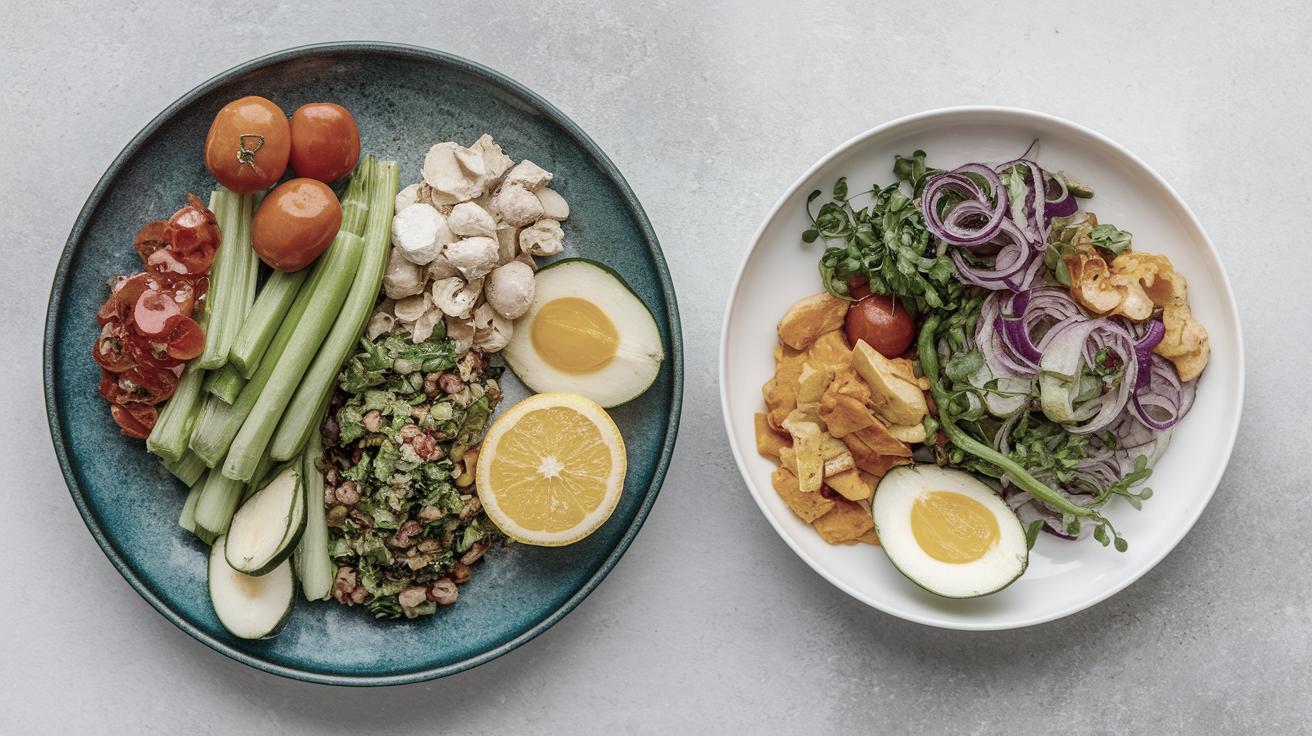
How to Balance a Meal Around Lean Proteins
Balancing your meals with the right nutrients is essential for a healthy diet, and lean proteins play a critical role in this equilibrium. Whether you’re aiming to build muscle, lose weight, or simply maintain a balanced diet, understanding the variety of lean protein sources can enhance your culinary repertoire. In this blog post, we’ll delve into various sources of lean proteins such as white-fleshed fish, plain Greek yogurt, and beans, among others. We will explore their benefits, how to incorporate them into your meals, and common questions around protein intake. By the end, you’ll have a comprehensive understanding of how to structure meals with lean proteins in mind, providing you with healthier options that cater to your dietary goals.
White-fleshed fish
White-fleshed fish, such as cod, haddock, and tilapia, are excellent sources of lean protein. They’re low in fat, rich in vitamins like B12, and have numerous health benefits, including supporting cardiovascular health due to their high omega-3 fatty acid content. White fish is versatile in the kitchen, easily lending itself to a variety of cooking methods like grilling, baking, or poaching.
Incorporating white-fleshed fish into your diet is simple. Consider seasoning fillets with herbs and spices, then grilling them for a flavorful meal. Pair your fish with a side of vegetables or a grain like quinoa to create a balanced meal rich in nutrients. These proteins not only satisfy hunger but also nurture your body with vital nutrients essential for daily function.
Plain Greek yogurt
Plain Greek yogurt is a powerhouse of lean protein, offering around 10 grams per 100 grams serving. It’s an accessible and versatile ingredient that fits into various meals from breakfast to dessert. High in calcium and probiotics, it supports gut health and aids in digestion.
Enhance your meal balance by using Greek yogurt as a breakfast base topped with fruits and nuts, or incorporate it into smoothies for a creamy texture and nutrient boost. You might also use it as a substitute for sour cream in savory dishes to reduce fat while boosting protein intake. Its versatility makes Greek yogurt a staple for health-focused diets.
Beans, peas, and lentils
When seeking plant-based sources of lean protein, look no further than beans, peas, and lentils. These legumes are rich in fiber and protein, making them an excellent addition to salads, soups, and stews. Known for their heart health benefits and ability to regulate blood sugar levels, legumes are key to a balanced diet.
Cooking with legumes can be diverse and rewarding. Consider preparing a hearty lentil soup or a black bean salad for protein-packed meals. Moreover, beans and lentils can be an economical way to meet your nutritional needs, providing satiety and energy throughout the day.
Skinless white poultry meat
Skinless white poultry, like chicken and turkey breast, is a staple in lean protein diets. It’s low in fat, high in protein, and provides essential nutrients such as vitamin B6 and niacin, supporting metabolism and energy production.
Incorporating poultry in your daily diet can be varied and interesting. Roast, grill, or stir-fry the meat for savory dishes that can be paired with vegetables and whole grains. By experimenting with different spices and cooking techniques, you can maintain excitement and variety in your meals without compromising nutritional value.
Low fat cottage cheese
Low fat cottage cheese is packed with casein, a slow-digesting protein that keeps you fuller for longer periods. It’s often favored by those looking to maintain muscle mass or lose weight due to its high protein but low-calorie content. Additionally, it’s replete with vitamins like B12 and calcium which are vital for bone health.
Cottage cheese can be a versatile ingredient in both sweet and savory dishes. Enjoy it as a snack with a sprinkle of cinnamon or incorporate it into your cooking as a topping for baked potatoes or a filling for lasagna. Its mild flavor allows it to blend seamlessly with a variety of meals, offering versatility and nutrition.
Tofu
A popular choice among vegetarians and vegans, tofu is derived from soybeans and is renowned for its ability to take on the flavors of the ingredients it’s cooked with. Tofu offers ample protein while also being a source of amino acids, iron, and calcium. Its versatility makes it an ideal component of many recipes.
Incorporate tofu into stir-fries, soups, and even desserts. For those who enjoy experimenting in the kitchen, trying different marination techniques and cooking styles, such as grilling or baking, can coax out varied flavors. This adaptability allows tofu to fit neatly into different cuisines, making it an exciting and nutritious addition to your meals.
Lean beef
Lean beef, such as sirloin or tenderloin, offers high-quality protein, beneficial for muscle growth and repair. Besides protein, beef is a rich source of iron and zinc, nutrients crucial for maintaining energy levels and supporting the immune system.
When incorporating lean beef into your meals, consider preparation methods that enhance flavor without adding extra fat, such as grilling or broiling. Pair lean cuts with a fresh salad or roasted vegetables for a satisfying and nutritious meal. Lean beef not only fits within a balanced diet but also affords indulgence in savory flavors with health benefits.
Powdered peanut butter
Powdered peanut butter is a modern twist on the classic spread, offering a protein-rich alternative without the high fat content. Made by removing most of the oil from peanuts, it retains the nutty flavor while providing a convenient way to add protein to meals and snacks.
Use powdered peanut butter by mixing it into smoothies, oatmeal, or baked goods for an added protein boost. It can also be rehydrated with water to create a lower-calorie peanut butter alternative. Its adaptability in both sweet and savory recipes makes powdered peanut butter a versatile pantry option.
Low fat milk
Low fat milk is a familiar source of lean protein that fits easily into daily nutritional needs. Fortified with essential vitamins like D and B12, it supports bone health and energy production. Its accessibility and nutrient profile make it a staple in many diets.
Incorporate low fat milk into your diet by using it in smoothies, cereal, or as an ingredient in baking. It’s an easy addition to breakfast routines and provides a nutritional boost to various recipes. As a source of protein and calcium, it’s beneficial for maintaining a balanced diet.
Pork loin
Pork loin is a lean cut that offers a substantial amount of protein while being lower in fat than many other cuts of pork. It’s also rich in B vitamins, which are crucial for energy metabolism and maintaining healthy skin and nerves.
Prepare pork loin by roasting or grilling to retain its natural flavors and tenderness. Pair it with roasted vegetables or a light salad to create a balanced meal. The lean characteristics of pork loin ensure that it provides nutritional benefits without excessive calorie intake.
Frozen shrimp
Frozen shrimp is a readily available option for those seeking lean protein from seafood. Low in fat and calories, shrimp provides a good dose of vitamins D and B12, while also being a source of selenium, important for immune function.
Defrost shrimp easily and use them in various recipes, from pastas to salads, or lightly sauté them with garlic and herbs. Its quick cooking time and nutritional benefits make shrimp a convenient and healthy option for any meal, ensuring accessibility and taste without compromising on dietary goals.
Egg whites
Egg whites are a classic choice for those focusing on lean protein, as they contain most of the protein found in eggs without the fat and cholesterol present in the yolk. They are incredibly versatile, nutritious, and help support muscle maintenance and repair.
Use egg whites in your cooking by incorporating them into omelets, scrambles, or baking. They can also serve as a protein boost to meals like salads and stir-fries. The mild flavor of egg whites allows them to complement a variety of ingredients, providing a robust and low-calorie protein source.
Bison
Bison is a nutrient-dense source of protein that’s leaner than beef but similar in taste. It provides a significant dose of iron, essential for oxygen transport in the body, along with omega-3 fatty acids that support heart health.
For those looking to diversify their protein intake, bison can be prepared similarly to beef – think burgers, steaks, or stews. It offers a rich flavor while being lower in fat calories, making it a healthy alternative to traditional red meats. Its unique nutritional profile makes it an intriguing option for those exploring lean proteins.
Frequently asked questions
What foods are low calorie but high in protein?
Some of the best low-calorie, high-protein foods include chicken breast, turkey, fish like cod and tilapia, shrimp, tofu, and egg whites. These foods are lean and provide ample protein to support muscle maintenance and overall health without excessive calorie intake.
What is the best protein with the lowest calories?
Egg whites are among the best proteins with the lowest calories. They offer a high protein content with minimal calories, making them a popular choice for those looking to reduce fat intake while building or maintaining muscle mass.
How do I get 150 g of protein a day?
To achieve 150 grams of protein per day, incorporate a variety of sources throughout your meals. Combine lean meats like chicken or fish, plant-based proteins such as tofu or lentils, and supplementary sources like Greek yogurt and protein powders. Spread your intake across all meals for balance and variety.
The bottom line
Balancing your meals with lean proteins doesn’t just enhance nutrition but also supports overall well-being and dietary goals. With numerous options available, from white-fleshed fish to bison, there’s a protein source to suit every preference and diet. By diversifying and incorporating these proteins into your diet, you can optimize your nutrient intake and enjoy a rich variety of flavors and dishes.
| Protein Source | Benefits | Usage Ideas |
|---|---|---|
| White-fleshed fish | Low fat, rich in omega-3, supports cardiovascular health | Grilling, baking, poaching |
| Plain Greek yogurt | High in protein, probiotics, calcium | Breakfast bowls, smoothies, sour cream substitute |
| Beans, peas, and lentils | Rich in fiber and protein, plant-based | Soups, salads, stews |
| Skinless white poultry meat | Low fat, high protein, essential vitamins | Grilling, roasting, stir-frying |
| Low fat cottage cheese | High in casein protein, promotes satiety | Snacks, fillings, dessert toppings |
| Tofu | Plant-based, versatile, rich in amino acids | Stir-fries, soups, desserts |
| Lean beef | High-quality protein, iron, and zinc-rich | Grilling, broiling, pan-searing |
| Powdered peanut butter | Low-calorie, high-protein, nutty flavor | Smoothies, baking, rehydrated for spread |
| Low fat milk | Protein-rich, vitamins D and B12, supports bones | Breakfast cereal, smoothies, baking ingredient |
| Pork loin | Lean, high in B vitamins | Roasting, grilling, pan-searing |
| Frozen shrimp | Low in fat, rich in vitamins D and B12 | Sautéing, pasta dishes, salads |
| Egg whites | Low calorie, high protein | Omelets, baking, scrambles |
| Bison | Lean, rich in iron and omega-3 | Burgers, steaks, stews |