
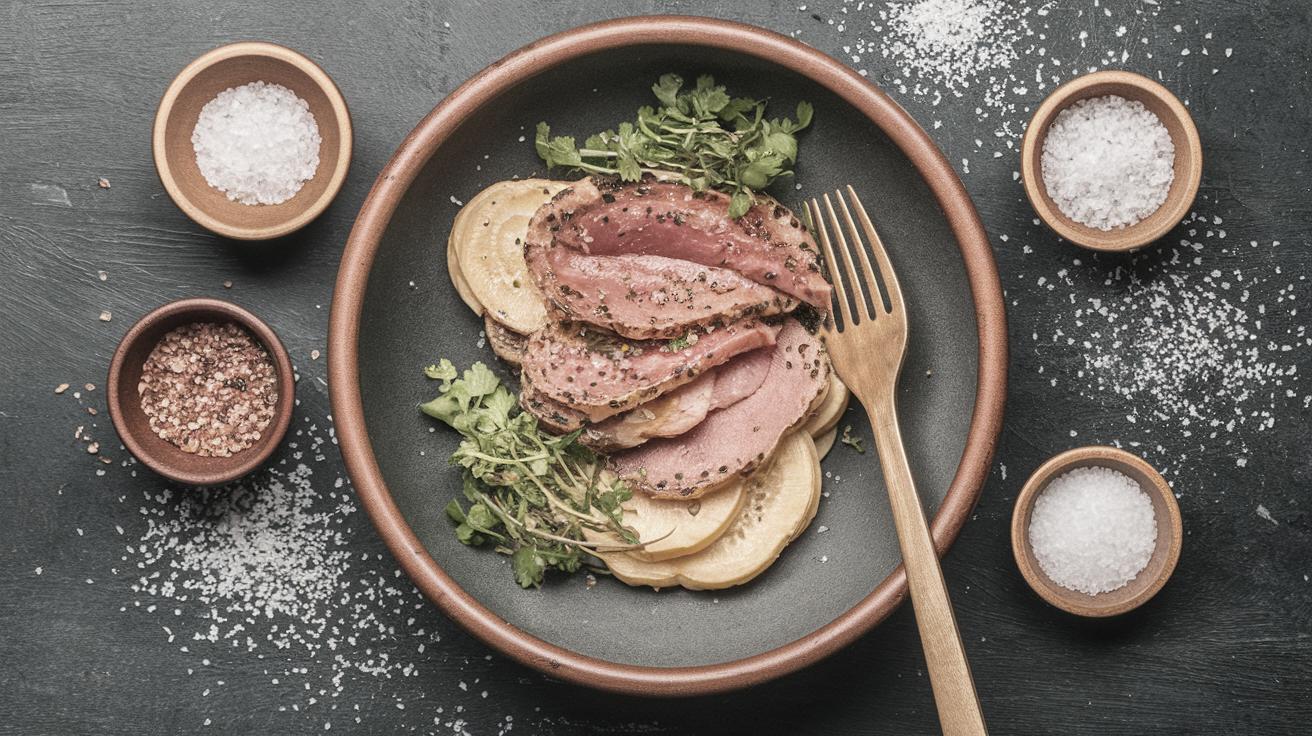
How to Use Different Types of Salt to Enhance Flavor
Salt, a fundamental seasoning, has the power to elevate the flavor of your dishes significantly. While many of us are familiar with table salt, a plethora of other salts are waiting to be explored in the culinary world. This blog post will introduce you to a variety of salts, from kosher to black lava salt, each bringing unique characteristics and flavors to your cooking. We will also delve into frequently asked questions to demystify the use of salt in cooking and storage tips to maintain their quality. Whether you’re an aspiring chef or a home cook, understanding the diverse uses of salt can be your ticket to mastering flavor enhancement in the kitchen. Let’s dive into this savory journey and discover how you can revolutionize your culinary creations with the power of different salts.
A Guide to Different Types of Salt For Cooking
1. Kosher Salt
Kosher salt is favored by chefs globally for its pure taste and versatility. It is less likely to contain additives compared to table salt, making it a more natural choice for cooking. The name “kosher” comes from its traditional use in the koshering process of meats. With its coarse texture, it’s easy to sprinkle precisely, which helps control seasoning levels better than finer salts.
Due to its larger grain size, kosher salt dissolves slowly, making it perfect for dry brines and seasoning meats and vegetables. Its clean taste complements a variety of dishes without overwhelming the other flavors present. However, because it is less dense, you might need to adjust measurements if substituting for finer salts in recipes.
2. Table Salt
Table salt is the most common type of salt used in households. It is highly refined, with most impurities and trace minerals removed, resulting in a consistent texture. The fine grains make it ideal for everyday cooking, especially in recipes that require precision in measurements, such as baking.
This type of salt often contains added iodine, which is an essential nutrient, and anti-caking agents to prevent clumping. While it is incredibly versatile and affordable, some purists argue that table salt lacks the complex flavors found in less processed salts, leading many to explore other types for gourmet cooking.
3. Fleur De Sel
Fleur de sel is considered the “caviar of salts” for its delicate, flaky texture and complex flavor profile. Harvested by hand from the surface of seawater, it is cherished for its natural richness in minerals and moisture content. Fleur de sel is used primarily as a finishing salt, sprinkled over dishes just before serving.
Its refined appearance and subtle savor make it a favorite among chefs for garnishing dishes like meats, vegetables, and even desserts. The melt-in-your-mouth quality enhances flavors without overpowering them and adds a beautiful finishing touch to plated dishes.
4. Sea Salt
Sea salt, as the name implies, is produced by evaporating seawater. It retains more of the natural minerals found in the ocean, which can impart a more complex flavor than table salt. Sea salt is available in a variety of textures, from fine to coarse, making it suitable for numerous culinary applications.
This type of salt can be used for seasoning, baking, and as a garnish. Its robust flavor profile makes it especially popular in recipes where the salt’s character can shine through, enhancing the overall taste of the dish without the need for additional seasonings.
5. Celtic Sea Salt
Celtic sea salt is harvested using traditional methods from the Celtic region, respected for its mineral-rich content and moist texture. This grayish, coarse salt is often associated with health benefits due to its high mineral composition, including elements like magnesium, potassium, and calcium.
Its unique moisture and flavor make it ideal for cooking and finishing dishes. It is particularly popular in rustic recipes where its natural, earthy flavors can integrate seamlessly. The moist crystals dissolve slowly, providing a gentle salting effect that develops as the meal is savored.
6. Flake Salt
Flake salt is known for its large, thin, and delicate structure which allows it to dissolve quickly on hot dishes. This salt is often harvested through a process of evaporation or boiling, resulting in its characteristic shape. It is favored for finishing dishes due to its exquisite crunch and salty punch.
Chef’s love using flake salt as a texture element to add contrast to soft or smooth dishes. It’s perfect atop caramel or chocolate desserts, creating a delightful burst of salty flavor. In savory dishes, it enhances flavors without overpowering other ingredients, offering a subtle yet noticeable presence.
7. Pink Salt
Pink salt, particularly Himalayan pink salt, is famous for its striking color and mineral-rich profile. It is harvested from ancient sea beds in regions like the Himalayas and is believed to contain up to 84 different minerals. Its visual appeal makes it a popular choice for both culinary and decorative purposes.
Besides being a versatile cooking ingredient, pink salt is often used in salt grinders for seasoning enhancement. Its beautiful hue and rich minerals make it especially appealing for table presentation and as a finishing touch to dishes.
8. Red Salt (Alaea Salt)
Red salt, also known as Alaea salt, is a Hawaiian salt that gets its distinct color from the addition of volcanic clay, which enriches it with iron oxide. This salt is renowned for its bold color and earthy flavor, making it a visually and palatably interesting choice for regional dishes.
Often utilized in Hawaiian cooking, red salt is perfect for traditional dishes such as poke and kalua pig. Its robust minerality makes it a flavorful addition to a variety of meats and seafood, creating an authentic island culinary experience.
9. Black Salt (Kala Namak)
Black salt, or Kala Namak, is a volcanic rock salt popular in South Asian cuisine. It contains trace impurities such as sulfur compounds, which contribute to its distinctive, tangy smell and flavor, reminiscent of eggs.
This unique taste profile makes black salt an essential ingredient in vegan dishes to mimic egg flavors. It’s also commonly found in spice blends, chutneys, and as a condiment for fruits. Its rich umami character enhances dishes, adding depth and complexity.
10. Black Lava Salt
Black lava salt is another exotic variety, made by infusing sea salt with activated charcoal. This dramatic presentation results in a striking black color and adds a subtle smoky flavor to dishes, along with detoxifying properties attributed to charcoal.
Black lava salt is often used as a finishing salt, providing visual appeal and a unique taste to meats, seafood, and roasted vegetables. Its distinctive appearance also makes it a popular choice for presentation, adding a contemporary edge to culinary designs.
11. Brining Salts
Brining salts are typically coarse salts used in the brining process to enhance the juiciness and flavor of meats and poultry. The saltwater solution breaks down the muscle fibers, allowing the meat to absorb moisture while seasoning it throughout.
Kosher salt is commonly used for brining due to its purity and coarse texture. Different recipes may call for sea salt or specialized brining salts, all working to infuse dishes with juicy, flavorful notes, making them deliciously succulent and tender.
12. Flavored Salts
Flavored salts are a blend of salt with herbs, spices, and other flavorings. These salts are a quick and easy way to add complexity to dishes without creating a full blend of spices from scratch. They can be homemade or commercially available in a variety of flavor combinations.
Garlic salt, smoked salts, and herbed salt are just a few examples, and each adds its unique twist to dishes, allowing for quick flavor transformation in cooking. Ideal for seasoning meats, vegetables, or even popcorn, flavored salts are a dynamic addition to any kitchen.
Answering Your Salt FAQs
1. What is the Best Salt for Cooking Everyday Meals?
For everyday cooking, kosher salt stands as a staple in many households due to its pure flavor and ease of use. Its coarse texture helps it naturally balance and blend flavors in a wide array of dishes, making it a trusted choice among chefs and home cooks alike.
Table salt is also a reliable option for everyday meals, as its fine grains dissolve quickly in heat, ideal for baking and seasoning. Ultimately, the best salt for daily use depends on the desired taste and texture of the dish you want to achieve.
2. Can I Substitute Different Types of Salt in Recipes?
Substituting salts in recipes is possible, but it requires considering the salt’s grain size and flavor intensity. For example, a tablespoon of fine table salt will deliver more sodium than the same measure of coarse salts like kosher or sea salt due to density differences.
When substituting, start with a smaller amount and adjust to taste. Utilize conversion charts if available, and remember that subtle flavor characteristics may vary, enhancing or altering the final dish in unexpected ways.
3. How Should I Store Different Types of Salt?
Most salts have a long shelf life. To maintain their quality, store them in a cool, dry, airtight container, away from direct sunlight and moisture, which can cause clumping. Ensure any flavored or moisture-rich salts like Celtic varieties are kept in sealed containers to avoid hardening.
If possible, opt for glass or ceramic jars to prevent potential flavor leaching that can occur with some plastics. Regularly checking for any changes in texture or scent will help maintain salt integrity for extended periods.
4. Do Different Types of Salt and Their Uses Affect Health?
Different salts have distinct mineral contents, with natural salts like Himalayan pink and Celtic sea salts boasting a range of beneficial minerals. While generally considered minor, these variations can contribute to overall nutritional intake.
All salts are essentially sodium chloride, and excessive intake can lead to health issues regardless of type. Moderation and sensible usage in cooking are key. For dietary concerns, consult a healthcare provider to determine the best balance for individual needs.
Find The Best Type of Salt For Cooking
The world of salt is vast and varied, offering a spectrum of flavors, textures, and appearances to enhance your dishes. Whether you’re aiming for the simplicity of table salt, the refined touch of fleur de sel, or the robust earthiness of black salt, each type brings its own unique blend to your culinary creations. As you explore each variety, experiment with balance and harmony, making salt a distinguished player in your cooking repertoire.
Recent Posts
- The Rising Trend of Fermented Foods: Health Benefits and DIY Recipes
- Exploring the World of Artisan Cheeses: A Tasting Guide for Cheese Lovers
- Plant-Based Eats: Transitioning to a Vegetarian or Vegan Lifestyle Seamlessly
- Exploring the Exotic: Introduction to Asian Spice Blends
Next Steps
| Type of Salt | Uses & Benefits |
|---|---|
| Kosher Salt | Great for general cooking; easy to sprinkle; lower density. |
| Table Salt | Commonly used; fine texture; often iodized. |
| Fleur De Sel | Luxury finishing salt; flaky; rich in minerals. |
| Sea Salt | Rich mineral profile; versatile; available in various textures. |
| Celtic Sea Salt | Moist texture; mineral-rich; great for rustic dishes. |
| Flake Salt | Quick dissolving; great crunch; adds texture. |
| Pink Salt | Mineral-rich; visually appealing; versatile. |
| Red Salt (Alaea Salt) | Bold color and flavor; great in Hawaiian dishes. |
| Black Salt (Kala Namak) | Egg-like flavor; popular in vegan cooking and spicing. |
| Black Lava Salt | Striking appearance; smoky flavor; detox properties. |
| Brining Salts | Used to retain moisture and flavor in meats. |
| Flavored Salts | Add convenience and complexity; available in various blends. |

