
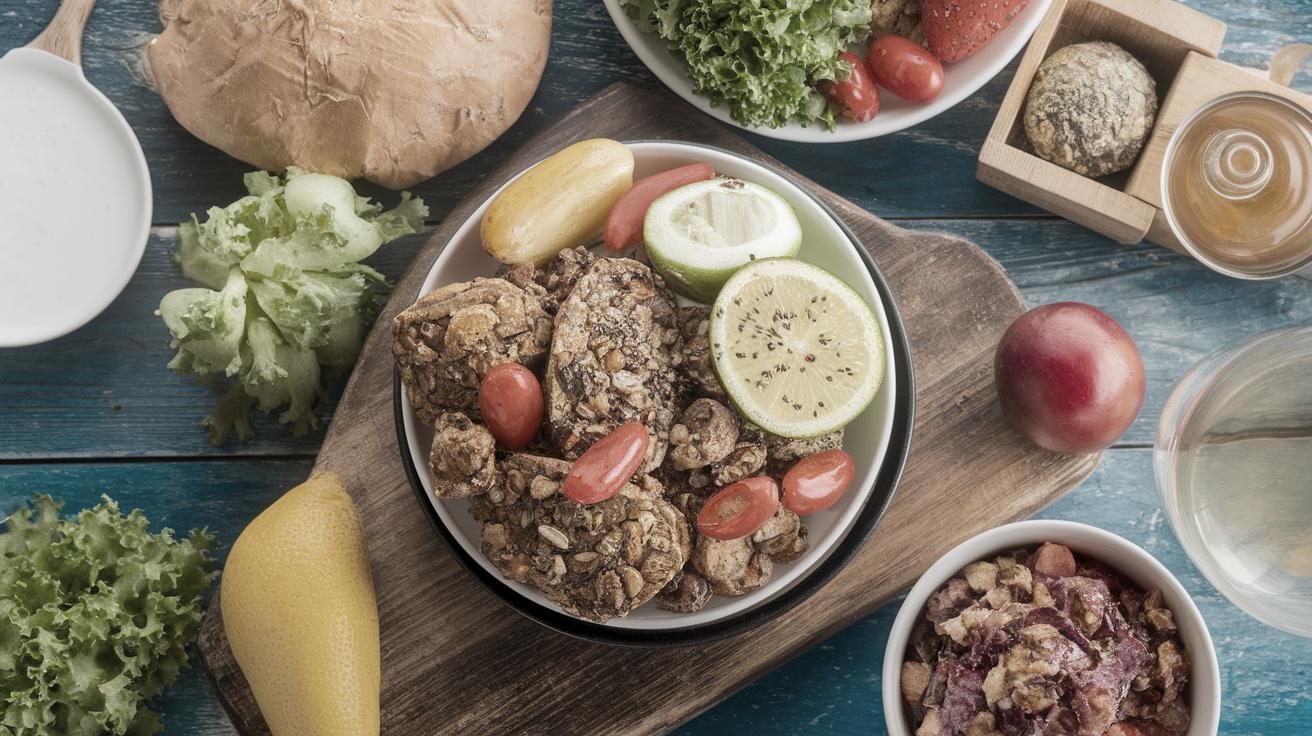
The Benefits of Mediterranean Cuisine
The Mediterranean diet is heralded for its plethora of health benefits, culinary richness, and cultural heritage. Rooted in the traditional eating habits of countries bordering the Mediterranean Sea, this diet emphasizes whole foods such as fruits, vegetables, whole grains, and healthy fats. In this blog post, we’ll explore the core components of a Mediterranean diet, identify foods to limit, unravel the diverse health advantages, and offer practical tips for beginning your journey with this nutritious and enjoyable way of eating.
What do you eat in a Mediterranean diet?
The Mediterranean diet is primarily plant-based, featuring an array of fresh fruits and vegetables that provide essential vitamins, minerals, and antioxidants. Staples include leafy greens like spinach and kale, colorful vegetables such as tomatoes and bell peppers, and fruits like oranges, figs, and grapes. These ingredients not only add a rich palette of flavors but also enhance nutritional value.
Whole grains form another crucial element, offering dietary fiber and vital nutrients. The use of whole wheat, barley, quinoa, and oats in various dishes provides energy and supports digestive health. Furthermore, healthy fats like olive oil, nuts, and seeds replace saturated fats, promoting heart health and enhancing the taste profile of meals.
Proteins in the Mediterranean diet derive mainly from fish and legumes. Fatty fish such as salmon and sardines are excellent sources of omega-3 fatty acids, which are beneficial for cardiovascular health. Legumes like lentils and chickpeas offer plant-based protein options, ideal for both vegans and non-vegans looking to incorporate protein-rich meals into their eating habits.
What foods are not part of the Mediterranean diet?
While the Mediterranean diet celebrates a diverse selection of foods, certain items are limited or avoided to retain its health benefits. Red meat, for instance, is consumed sparingly, with a preference for leaner alternatives like poultry or fish. This approach lowers the intake of saturated fat and reduces the risk of certain diseases linked to red meat consumption.
Processed foods and refined sugars also take a back seat in Mediterranean eating. Items such as packaged snacks, candies, and sugary drinks are minimized, replaced by naturally sweet or savory foods that provide more nutritional value. This shift helps in maintaining stable blood sugar levels and reducing the risk of chronic ailments like diabetes and obesity.
Dairy consumption is moderate as well, focusing on yogurt and cheese rather than high-fat milk products. This moderation ensures that calcium needs are met without an overabundance of saturated fat and calories, aligning with the diet’s goal of balanced nutrition.
What are the benefits of a Mediterranean diet?
The Mediterranean diet is acclaimed for its comprehensive array of health benefits. Cardiovascular health ranks high among these, with research consistently showing decreased risks of heart disease due to the diet’s focus on heart-friendly meals comprising healthy fats, fiber, and antioxidants. Omega-3-rich fish and olive oil play pivotal roles in supporting heart function and managing cholesterol levels.
Another remarkable advantage is cognitive health. Studies suggest that adhering to Mediterranean eating patterns can help preserve cognitive function, potentially reducing the risk of conditions like Alzheimer’s disease. Nutrient-dense foods provide the brain with protective nutrients, improving mental clarity and boosting overall brain health.
The Mediterranean lifestyle also champions longevity and weight management. Nature-rich ingredients encourage a balanced and nourishing diet that aids in maintaining a healthy weight. Additionally, the anti-inflammatory properties of several Mediterranean foods contribute to greater longevity and reduced incidence of chronic diseases.
How should I get started with a Mediterranean diet?
Embracing a Mediterranean diet can seamlessly integrate into daily routines with some thoughtful changes. Start by incorporating more vegetables and fruits into your meals, accompanied by whole grains and legumes. Experiment with dishes like Greek salads, ratatouille, or minestrone soup to savor the array of flavors and textures inherent in Mediterranean cuisine.
Make olive oil your primary cooking fat, versatile in both salads and cooked dishes. Its rich taste complements myriad foods, adding both depth and nutrition. Swap out butter for olive oil when sautéing or roasting to align with Mediterranean cooking practices.
Finally, consider taking meals as leisurely social experiences. Emphasize the enjoyment of food in a communal setting, sharing it with family or friends. The Mediterranean diet isn’t just about the food itself—it’s also about cultivating a harmonious relationship with eating, relaxation, and social connections.
Future prospects
| Aspect | Description |
|---|---|
| Components | Emphasizes fruits, vegetables, whole grains, and healthy fats with moderate protein from fish and legumes. |
| Foods to Limit | Reduce red meat, refined sugars, and processed foods for a mindful diet approach. |
| Benefits | Promotes heart health, cognitive function, longevity, and effective weight management. |
| Getting Started | Integrate more plant-based foods, replace butter with olive oil, and enjoy meals as social experiences. |

