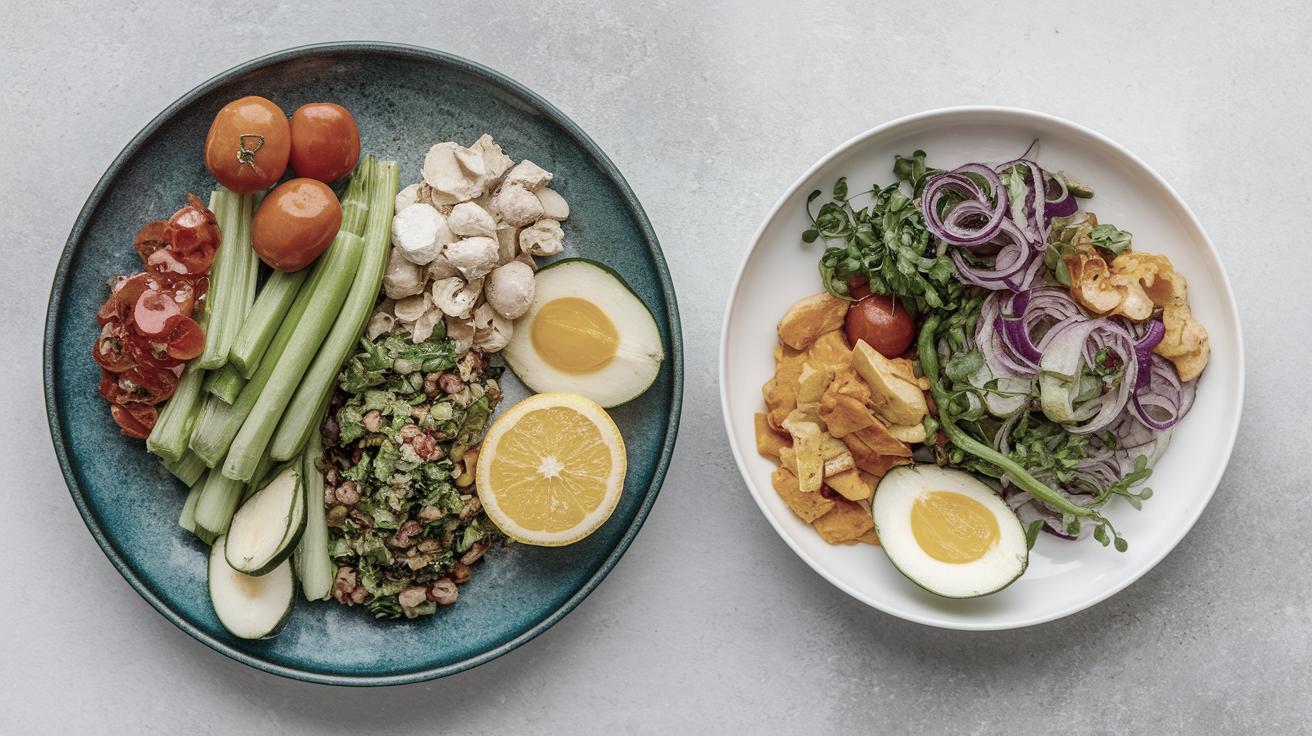
In recent years, plant-based diets have gained immense popularity due to their health benefits and environmental sustainability. Many people are curious about how to prepare nutritious meals while ensuring they receive adequate protein intake, a common concern when excluding animal products. In this article, we delve into whether you can get enough protein from plant foods, explore five versatile plant-based proteins, and provide tips on maintaining a balanced diet. Additionally, we’ll discuss how government nutrition programs can support healthy eating and offer guidance for senior nutrition. Whether you’re exploring plant-based meals for health, ethical reasons, or just a change, this guide will help you craft balanced dishes that satisfy your dietary needs.
Can you get enough protein from plant foods?
Many people who switch to a plant-based diet wonder if they’ll be able to consume enough protein. The good news is that a well-planned plant-based diet can indeed provide all the essential amino acids needed for health. The key is to incorporate a variety of protein sources, ensuring you get a balanced amino acid profile.
Unlike animal proteins which are considered complete, meaning they provide all essential amino acids, most plant proteins are incomplete, but they can complement each other when consumed in combination. For instance, pairing rice with beans or combining legumes with nuts can provide a full spectrum of amino acids.
5 plant-based proteins to inspire healthier meals
1. Pulses
Pulses, including lentils, chickpeas, and beans, are superb sources of plant-based proteins. They are not only rich in protein but also fiber, iron, and a range of other minerals that support health. Incorporating pulses into salads, soups, and stews can diversify your meals and nutritional intake.
Lentils, in particular, are incredibly versatile and cook relatively quickly. They can be a focal point of a dish or serve as a nourishing side. Moreover, pulses are typically affordable and accessible, making them a practical choice for many families.
2. Legumes
Legumes, meshing well with international cuisines, include beans, peas, and lentils. Rich in proteins, they also pack dietary fiber, which is crucial for digestive health. Soaking legumes before cooking can enhance their digestibility and reduce cooking time.
Varieties such as black beans, kidney beans, and pinto beans can be incorporated into dishes like tacos, chili, and curries, offering robust flavors and textures. This diversity makes legumes a fantastic and versatile protein choice.
3. Tofu
Tofu, made from soybeans, is another fantastic plant protein. It’s renowned for its versatility and absorbs flavors beautifully, making it ideal for diverse cuisines. From stir-fries to smoothies, tofu can adapt to various cooking methods.
Rich in calcium, iron, and amino acids, tofu is a nutritional powerhouse. Even better, due to its neutral taste, it can be used in savory and sweet dishes, providing ample room for culinary creativity.
4. Quinoa
Quinoa is a complete protein, providing all nine essential amino acids, which sets it apart from many other plant-based proteins. Known for its fluffy texture and nutty flavor, quinoa can complement a wide range of dishes.
It is versatile as a base for salads, used as a filling in wraps, or added to soups. Its nutritional density, offering high amounts of fiber, magnesium, and manganese, makes it an excellent choice for health-focused meals.
5. Tempeh
Tempeh, another soy-based product, is fermented, giving it a distinct nutty flavor and firm texture. Its fermentation process offers probiotic benefits and can positively impact gut health when regularly included in meals.
Used in both savory dishes and as a meat substitute, tempeh absorbs marinades well, making it a delicious option for those exploring plant-based cuisines. Its high protein content complements a hearty vegetable stir-fry or a protein-rich sandwich.
The Supplemental Food Nutrition Assistance Program can help you stick to a healthy, plant-based diet
The Supplemental Food Nutrition Assistance Program (SNAP) provides essential help for individuals and families pursuing a plant-based diet, ensuring nutritious foods are accessible to all. Eligible participants receive financial assistance to buy groceries, focusing on healthy food choices.
By supporting purchases of staples such as fresh produce, pulses, legumes, and whole grains, SNAP plays a crucial role in promoting food security. The program underscores the availability of items typically included in a balanced, plant-based diet, bolstering healthier eating habits.
Key Takeaways
Opting for a plant-based diet doesn’t mean sacrificing essential nutrients like protein. With a diverse range of plant-based options, including pulses, legumes, tofu, quinoa, and tempeh, crafting a balanced diet is possible and rewarding.
Using a strategic approach to combine different plant proteins ensures you consume a full spectrum of amino acids and nutrients. Programs such as SNAP support such dietary choices, making sustainable and nutritious eating accessible to more people.
Related Topics
Help Your Loved One Eat Well
Nourishing meals can also offer social connection, facilitating shared experiences with loved ones. Preparing plant-based meals together provides an opportunity to learn, experiment, and enjoy healthier foods.
Sharing meals enhances relationships and allows families to explore plant-based cuisine, creating lasting healthy habits. Supporting family members in adopting plant-focused diets builds community and wellness.
Your Recipe for Health: Nutritious Food and Social Connection
Connecting over a meal is an age-old tradition and remains a vital part of daily life. A diet rich in plant-based proteins enhances not only physical health but also emotional well-being as it’s shared with loved ones.
Encouraging collective meal preparation can lead to a healthier lifestyle, fostering connections through the act of cooking and eating together. It’s a meaningful way to support mental and social health alongside physical nutrition.
Healthy Eating Tips for Seniors
For seniors, adapting to a plant-based diet offers multiple benefits, from lowering cholesterol to improving heart health. It’s important to encourage proper nutrition, focusing on balanced meals rich in variety.
Seniors should incorporate easy-to-digest plant proteins such as legumes and tofu, while maintaining hydration and fiber intake. Tailoring meals to suit their dietary needs ensures sustained health and vitality.
Vitamin C and Older Adults: How Much Is Enough?
Vitamin C is essential for immune function, especially in older adults. A diet rich in fruits and vegetables containing vitamin C can help stave off common illnesses and improve overall health.
For plant-based eaters, excellent sources of vitamin C include bell peppers, citrus fruits, and cruciferous vegetables. Regular intake ensures adequate levels, supporting seniors in staying healthy and active.
Related Articles
Explore more about plant-based living, sustainable eating practices, and how they can integrate with different lifestyle choices. Discover new recipes, health benefits, and community stories.
Sources
To ensure you get the most accurate and helpful information about plant-based eating and nutrition, consult resources such as scientific publications, dietary guidelines, and expert recommendations from nutritionists.
Lessons Learned
| Topic | Summary |
|---|---|
| Plant-Based Proteins | Can provide all essential amino acids when eating a variety. |
| Key Proteins | Pulses, legumes, tofu, quinoa, and tempeh offer versatility and nutrients. |
| Nutrition Assistance | SNAP helps families access healthy, plant-based foods. |
| Health and Connection | Cooking and eating plant-based meals together enhances social bonds. |
| Senior Nutrition | Focus on balanced meals with plant proteins and vital vitamins. |