
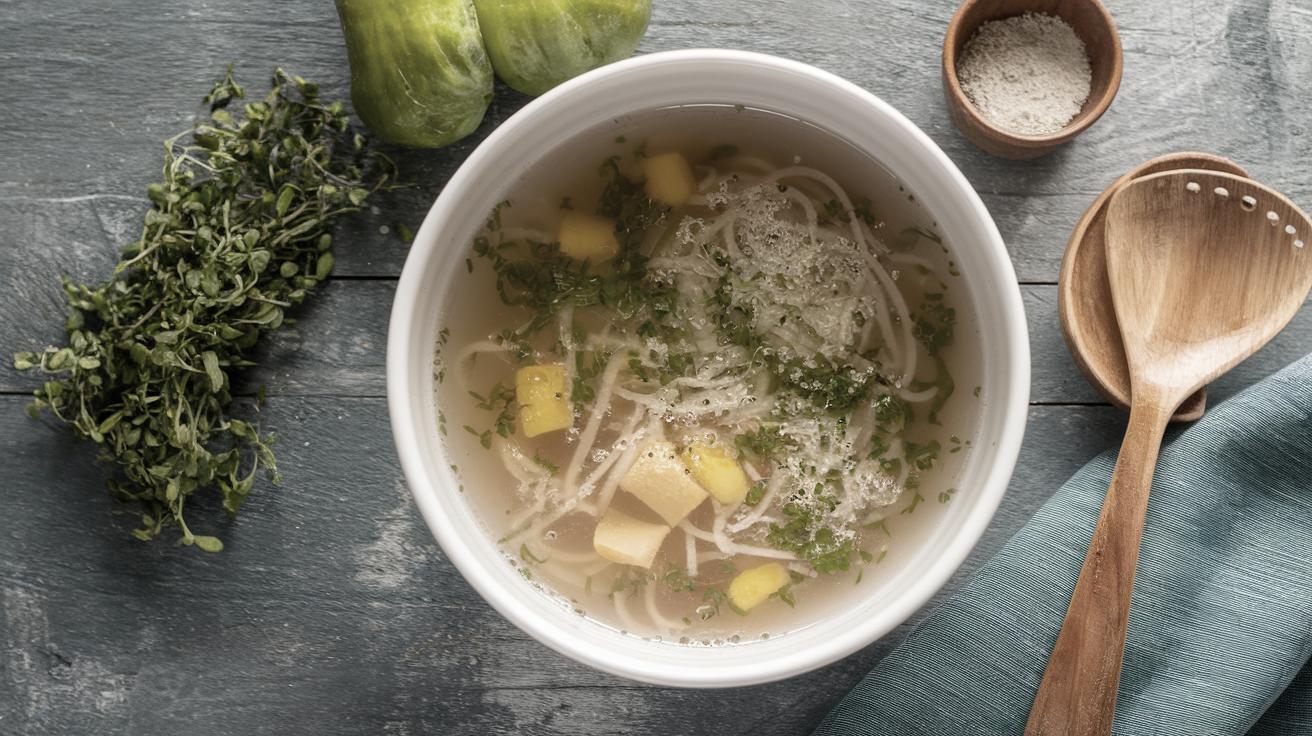
The Advantages of Cooking with Homemade Broth
Homemade broth or stock is a key ingredient in myriad recipes, providing endless culinary possibilities and several health benefits. While commercial broths might offer convenience, they often can’t compete with the flavor, nutritional value, and customization that homemade broth brings. In this article, we will tackle common objections related to making broth at home, discuss the significance of ingredients like beef remouillage, and address concerns around storage, shelf life, and water choice. We will wrap up by examining the prospects of incorporating this flavorful staple in your cooking routine.
Let’s Deal with Objections First
One might argue that making broth at home is time-consuming or tedious. Some are deterred by the perceived mess and effort required. However, once you’ve given it a try, you realize how simple it can actually be. Homemade broths offer more robust flavors and superior quality compared to their store-bought counterparts. They can be prepared in large batches and frozen or canned for future use, making them a practical staple for any kitchen.
Concerns about needing professional culinary skills often arise too. The truth is, making broth is often forgiving of errors. You don’t need to be a seasoned chef to gain rich, aromatic results. Additionally, utilizing ingredients like leftover vegetable peels and bones presents an environmentally friendly way to reduce waste, which leads to cost savings and eco-conscious living.
Beef Remouillage
Beef remouillage—a secondary, lighter broth—is an efficient way to extract every ounce of goodness and flavor from your ingredients. After preparing your first batch of broth, the same beef bones can be repurposed to make remouillage. Although this secondary broth is less concentrated, it’s a practical base for secondary sauces or flavorful grains.
Cooking with remouillage also offers the advantage of depth. In more sophisticated dishes, layers of flavor unfold as primary broths and secondary broths fuse to create unique culinary experiences. This extended utility of broth ingredients promotes waste reduction and maximizes the return on your initial investment of time and resources.
Storage
One major concern is storage space, especially when batch cooking. Fortunately, homemade broth can be easily stored in various ways. Ice cube trays are a popular method for freezing small portions, providing a convenient way to access exactly the amount you need, when you need it. Alternatively, using vacuum-sealed bags can help save space while preventing freezer burn.
Adopting efficient storage solutions not only maintains broth’s freshness but can also influence future meal-prepping habits. By seamlessly integrating homemade broth into your storage practices, you’ll find it easier to plan and execute meals, gradually simplifying your daily cooking routine.
Storage Time
Homemade broth’s shelf life is another factor to consider. Although it’s generally recommended to keep broth in the refrigerator for up to five days, freezing extends its lifespan significantly. When frozen properly, broth can last up to six months, granting you the freedom to produce bulk quantities without the pressure of immediate consumption.
When planning for long-term use, ensure your broth is cooled completely before storage to prevent bacterial growth. Regularly rotating older stocks and labeling containers can further assist in using broth efficiently before its expiration.
A Note on Water
Water quality plays an essential role in the final taste of your homemade broth. An overlooked aspect is that the water must be clean, as it’s the medium extracting flavors from your ingredients. Using filtered water can minimize impurities, thus enhancing the aromatics and flavors of the resulting broth.
Beyond the cleanliness, adjusting water volume can alter broth concentration. For a richer broth, reduce the water-to-ingredient ratio, whereas lighter broths are achievable with more water. This unique capacity for customization ensures your homemade broth meets your personal taste preferences.
A Note on the Vegetables
Vegetables are vital in creating an aromatic and flavorful broth. While classic combinations like carrots, celery, and onions are popular, the vegetable mix can be adjusted to suit various flavor profiles. Adding garlic, leeks, or herbs can introduce new dimensions to your broth.
Pulses of creativity and resourcefulness often come into play here. Taking advantage of vegetable scraps not only cuts costs but also supports sustainable cooking habits. Experimenting with seasonal vegetables can keep your broth appealing and diverse throughout the year.
Future Prospects
Incorporating homemade broth into your routine provides numerous culinary and health benefits. By addressing common objections and exploring its versatility, homemade broth emerges as a more feasible choice. As cooking with broth becomes second nature, you’ll discover new ways to enhance your dishes with both primary and remouillage broths. With mindful storage and an eye toward sustainability, homemade broth will become an indispensable component of a thriving kitchen.
| Consideration | Details |
|---|---|
| Objections | Addressed concerns include time, skill level, and cleanup in making homemade broth. |
| Beef Remouillage | Introduced as a secondary broth, offering additional flavor and waste reduction benefits. |
| Storage | Highlights practical storage solutions for homemade broth to optimize space and freshness. |
| Storage Time | Explains how freezing extends homemade broth’s life, maximizing its utility. |
| Water | Stresses the importance of water quality in enhancing flavor and aroma. |
| Vegetables | Discusses vegetable variety for depth and sustainability of the broth. |

