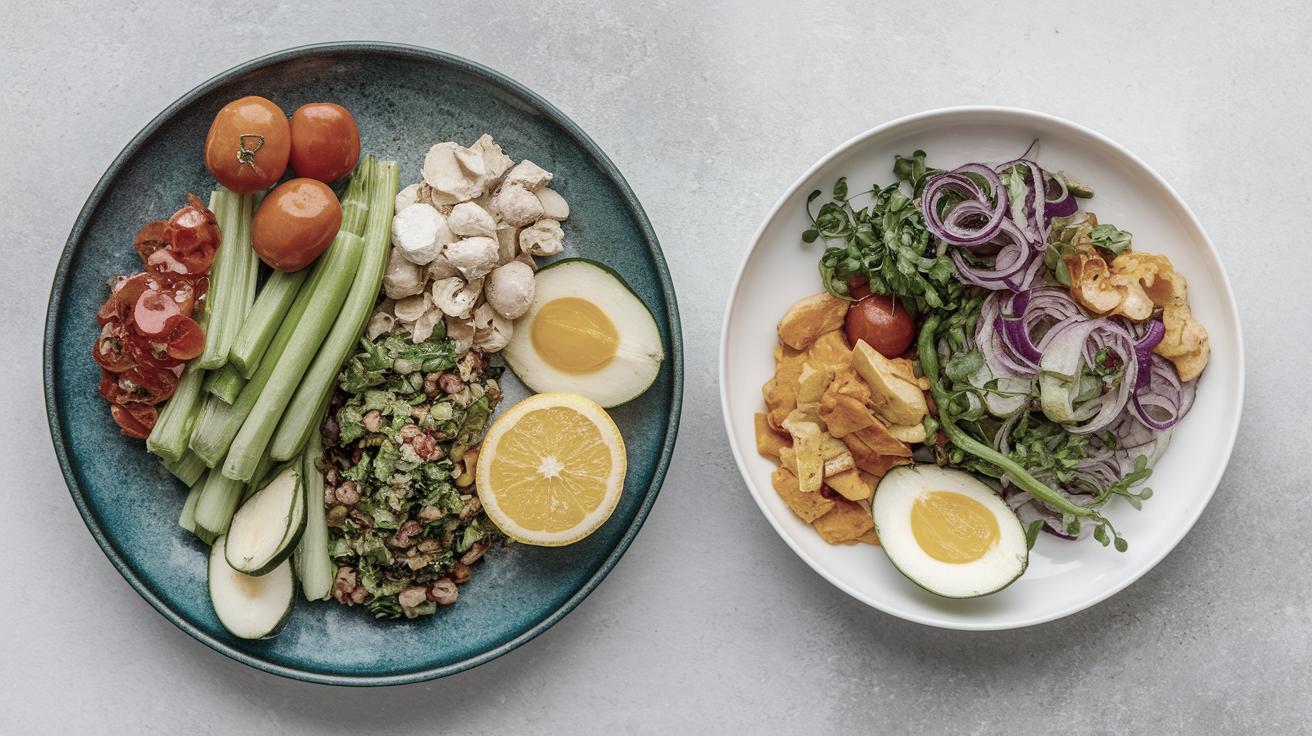
How Raw Food Transforms the Culinary Approach
Embracing a raw food diet is more than just a nutritional choice; it is a transformative approach that reshapes our culinary landscape. This exploration delves into the practical aspects of the raw food diet, from what foods to savor and what to sidestep, to evaluating its health implications. While the debate of cooked versus raw nutrition persists, this blog also addresses the diet’s potential benefits and pitfalls, offering a sample menu for first-time explorers. Furthermore, it assesses the safety and sustainability of this regimen, answering poignant queries about its health validity, cost, and dietary flexibility. Finally, with future prospects in mind, a detailed table summarizes the key areas of discussion. For those curious or already captivated by raw foods, this comprehensive guide serves as a stepping stone into a revolutionary culinary journey.
How to Follow the Raw Food Diet
Foods to Eat
The raw food diet centers on consuming uncooked, unprocessed, and often organic foods to maintain the natural nutrients and enzymes that can be compromised in cooking. Staple raw foods include fresh fruits, vegetables, nuts, seeds, and sprouted grains. These components are known for their rich vitamins, minerals, and antioxidants, offering a fresh, vibrant approach to meals.
Fermented foods like kimchi, sauerkraut, and kombucha are also popular due to their probiotic benefits that aid digestion and gut health. Additionally, cold-pressed juices and smoothies provide convenient, nutritious options that can be creatively varied.
Foods to Avoid
On a raw food diet, avoiding processed, pasteurized, or chemically-treated foods is crucial. This includes most processed snacks, baked goods, and anything with artificial additives or preservatives. Moreover, raw dieters often steer clear of cooked grains and legumes, believing that heating diminishes their nutritional integrity.
Dairy products are generally avoided, or replaced with raw alternatives like nut milks. It is advisable to be cautious with raw animal products, such as eggs and meat, due to potential health risks from pathogens like salmonella and E. coli.
Is Raw Food Healthier than Cooked Food?
The health debate surrounding cooked versus raw food centers on nutrient retention. Many argue that eating raw preserves certain enzymes and vitamins otherwise lost in the cooking process. This perspective suggests that maintaining these nutrients could lead to better energy levels, clearer skin, and improved health.
Conversely, some nutrients become more bioavailable when cooked, like lycopene in tomatoes and beta-carotene in carrots. Cooking can also kill harmful bacteria and make certain foods more digestible. Thus, the ultimate healthiness often depends on individual nutritional needs and balance.
Raw Food Diet: Pros and Cons
Adopting a raw food diet presents numerous benefits. Proponents praise it for weight loss, increased energy, and reduced risk of chronic diseases. The emphasis on whole, plant-based foods naturally leads to decreased consumption of artificial sugars and unhealthy fats.
However, there are challenges. A raw food diet can lead to nutrient deficiencies, including protein, iron, and B12, typically sourced from cooked or animal products. The diet requires careful planning to ensure all nutritional needs are met. Socially, it may also present challenges due to its restrictive nature.
Sample Menu
Day One
Breakfast: Green smoothie with spinach, banana, and almond milk.
Lunch: Raw zucchini noodles with avocado pesto.
Dinner: Fresh garden salad with mixed greens, cherry tomatoes, and a lemon-tahini dressing.
Day Two
Breakfast: Chia seed pudding with berries.
Lunch: Raw rainbow wraps with a variety of fresh vegetables and hummus.
Dinner: Vegetable sushi rolls with cucumber, avocado, and carrots.
Day Three
Breakfast: Acai bowl topped with granola and coconut flakes.
Lunch: Raw gazpacho soup with a side of seed crackers.
Dinner: Marinated mushrooms and kale salad.
Day Four
Breakfast: Overnight oats with sliced bananas.
Lunch: Mixed berry and spinach salad with walnut dressing.
Dinner: Cauliflower tabbouleh.
Day Five
Breakfast: Carrot and apple juice.
Lunch: Veggie-stuffed bell peppers.
Dinner: Cucumber-avocado soup.
Day Six
Breakfast: Smoothie bowl with spinach, kiwi, and flaxseeds.
Lunch: Beetroot and orange salad.
Dinner: Lettuce wraps with curried chickpeas.
Day Seven
Breakfast: Fresh fruit salad with a citrus dressing.
Lunch: Alfalfa sprout sandwich on raw nut bread.
Dinner: Tomato and basil salad with olive oil.
Is the Raw Food Diet Safe and Sustainable?
The safety of the raw food diet largely hinges on individual dietary habits and health needs. While many thrive on its natural simplicity, others may experience deficits without careful planning to include various nutrients enough.
Sustainability can also pose a challenge. The prep time and resources required (think: organic, fresh produce) may not be feasible for all lifestyles or budgets. Success on a raw food diet often involves adapting to your personal capabilities while still maintaining nutritional balance.
Frequently Asked Questions
What Do You Eat on a Raw Food Diet?
A raw food diet includes raw fruits, vegetables, nuts, seeds, sprouted grains, and fermented foods. Avoiding anything processed or cooked is essential, but raw alternatives like nut milks and cold-pressed oils are encouraged.
Is a Raw Diet Actually Good for You?
The potential benefits include weight loss, increased energy, and reduced disease risks. However, it may lead to nutrient deficiencies if not properly managed. Individual needs and a balanced approach are key.
Is a Raw Meat Diet Healthy for Humans?
Consuming raw meat carries risks of pathogens, including salmonella and E. coli. While some advocate for raw animal products, they must be sourced with utmost care, adding complexity to following this diet type safely.
Is the Raw Food Diet Expensive for People?
Raw food diets can be costly, primarily due to the constant need for fresh, organic produce. Opting for seasonal, locally-sourced items can help manage expenses, making the diet more accessible.
Future Prospects
| Aspect | Content Summary |
|---|---|
| Core Components | Emphasis on uncooked, organic foods, such as fruits, vegetables, nuts, seeds, and fermented foods. |
| Health Comparison | Trade-off between preserving nutrients in raw foods versus enhanced digestibility and nutrient bioavailability in cooked foods. |
| Pros & Cons | Benefits include weight loss and energy increase; challenges include possible nutrient deficiencies and social adaptability. |
| Sample Menu | A diverse seven-day meal plan demonstrating variety and nutritional richness found in raw food choices. |
| Safety & Economics | Requires meticulous planning for full nutrition, poses financial implications due to high cost of organic produce. |
| Common Queries | Clarifications on dietary components, health validity, and financial considerations addressed in FAQ format. |