
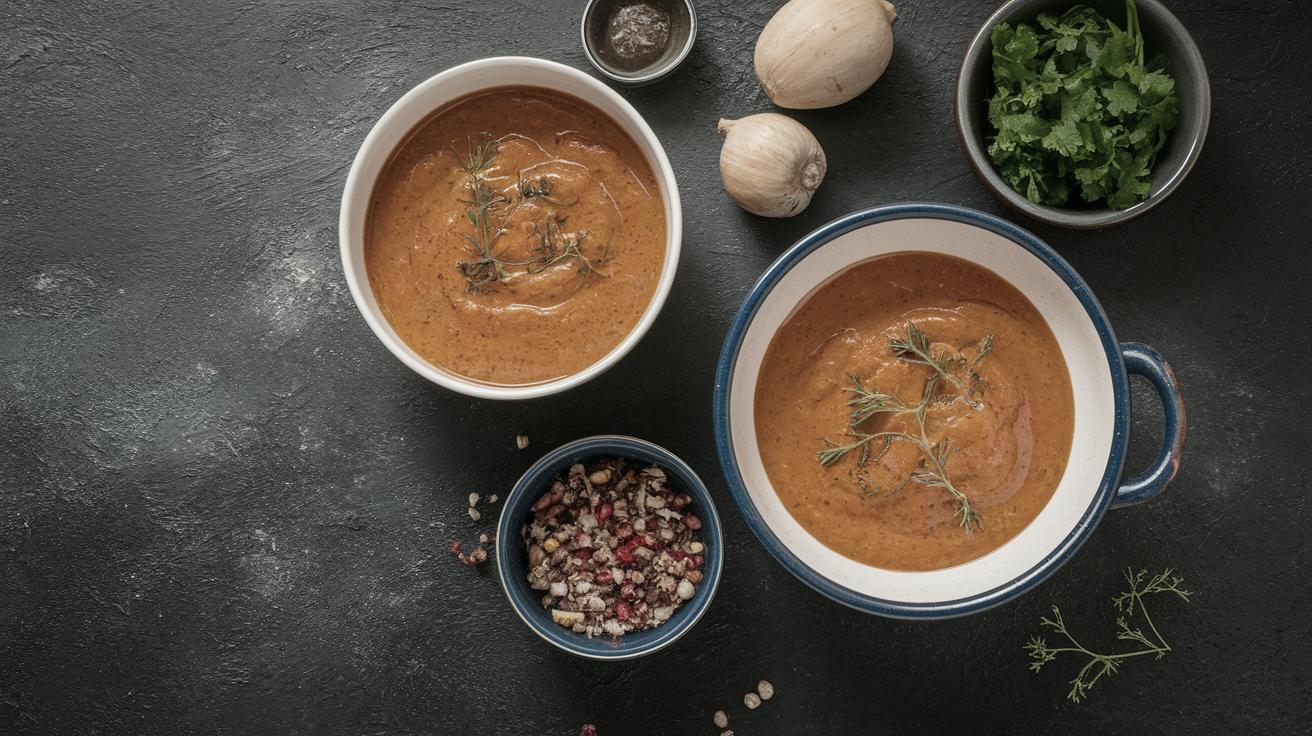
The Secrets to Savory Sauces
Sauces are an integral part of culinary magic, transforming the simplest of dishes into gourmet experiences. From enhancing flavors to adding textures, the possibilities with sauces are endless. In this article, we will uncover the secrets behind crafting irresistible savory sauces. Whether you’re looking to deepen flavors with the perfect fish sauce, achieving the ideal consistency with a classic roux, or giving your dishes a pop with fresh herbs, this guide will walk you through the essential techniques and ingredients. Let’s dive into the world of savory sauces, exploring how they can elevate your culinary creations to new heights.
How to Upgrade the Flavor of Your Sauces
Elevating the flavor of your sauces can transform your dishes from mundane to memorable. One technique is to concentrate on the depth of umami, the savory taste that enhances flavor profiles. Incorporating ingredients like mushrooms, tomatoes, or fermented items can achieve this effect effortlessly.
Another method is to balance contrasting flavors. A hint of sweetness or acidity can round out and highlight the primary flavors in a sauce. For instance, adding a splash of balsamic vinegar or a teaspoon of honey can bring an unexpected harmony. Experimentation with small amounts allows you to discover the right balance.
Recipes Featuring Fish Sauce
Fish sauce, a staple in Asian cuisine, imparts a deep umami flavor that enhances many dishes. A simple yet effective way to use fish sauce is in marinades. Combine it with lime juice, garlic, and chili for an aromatic and flavorful marinade for poultry or tofu.
Another excellent application is in stir-fries. Just a few drops added toward the end of cooking can intensify the taste. Remember, fish sauce is potent, so start with a small amount and adjust as needed to achieve the desired savoriness without overpowering the dish.
The Classic Thickener: Roux
Roux is the classic thickening agent that serves as the foundation for countless sauces. Made from equal parts fat and flour, it’s cooked to different stages – white, blond, or brown – depending on the sauce you’re making. Mastering roux involves patience, as cooking it too quickly can lead to a burnt taste.
Incorporating a roux into sauces like béchamel or velouté gives them richness and body. The choice of fat (butter, oil, or lard) can influence the flavor, and it’s vital to whisk continuously while adding liquid to prevent lumps. A perfectly executed roux can bring a subtle nutty flavor and a velvety texture.
The Savory Scrap-Saver: Deglazing
Deglazing is a technique used to extract the flavorful bits stuck to the bottom of the pan after browning meats or vegetables, often referred to as the “fond.” Adding wine, broth, or even water to the hot pan and scraping up these bits allows you to incorporate them into a sauce, enriching its flavor.
This method not only maximizes flavor but also reduces waste, making use of every delicious morsel. Deglazed sauces can be further enhanced by adding aromatics or finishing with a pat of butter for sheen and richness.
The Pop of Color and Flavor: Herbs
Fresh herbs are the secret weapon for adding a burst of color and a layer of complexity to sauces. Delicate herbs like basil, parsley, and cilantro should be added toward the end of cooking to maintain their vibrant flavor and color.
Robust herbs, such as rosemary and thyme, can be added early on to infuse sauces with earthy, aromatic notes. Using a mix of herbs can also elevate the sauce, creating a sophisticated flavor profile that complements various dishes.
The Blank Slate: White Sauce
White sauce, or béchamel, is a versatile base that can be turned into numerous variations by adding different ingredients. Its creamy texture and mild flavor make it ideal for cheese sauces, creamy pasta dishes, and savory pies.
The key to a smooth white sauce is consistent stirring while gradually adding milk to the roux. Enhancing the sauce with cheese, mustard, or nutmeg can tailor it to your dish, providing a rich and satisfying complement.
The Quick Thickener: Wondra®
Wondra® flour is a pre-cooked, finely milled flour that dissolves quickly in liquids, making it an excellent choice for thickening sauces on the fly. It’s particularly useful if you’re in a hurry or if the sauce needs quick adjustments.
Simply sprinkle it directly onto simmering sauce and stir until the desired consistency is reached. Its flavor is neutral, ensuring it doesn’t alter the taste of the sauce, only its texture.
The Flavor Booster: Acid
Acidity is a key component in achieving a balanced flavor profile. Ingredients like lemon juice, vinegar, or wine can cut through richness, add brightness, and enhance the other elements of a sauce.
Judiciously adding acid, either during the cooking process or as a finishing touch, can transform a good sauce into an outstanding one. Acidity can awaken the palate and provide a refreshing counterpart to savory flavors. Experiment with different acids to find the perfect complement to your culinary creations.
Final Thoughts
| Technique/Ingredient | Description |
|---|---|
| Flavor Enhancement | Concentrating umami and balancing with sweetness or acidity. |
| Fish Sauce | Utilized for its deep umami flavor in marinades and stir-fries. |
| Roux | A classic thickener providing texture and subtle flavor. |
| Deglazing | Extracts flavors from browned pan bits using liquids. |
| Herbs | Usage for both vibrant pop of color and aromatic complexity. |
| White Sauce | A neutral base versatile for various flavor enhancements. |
| Wondra® Flour | Quick thickener for seamless and efficient sauce adjustments. |
| Acids | Enhance flavor profiles with brightness and balance. |

