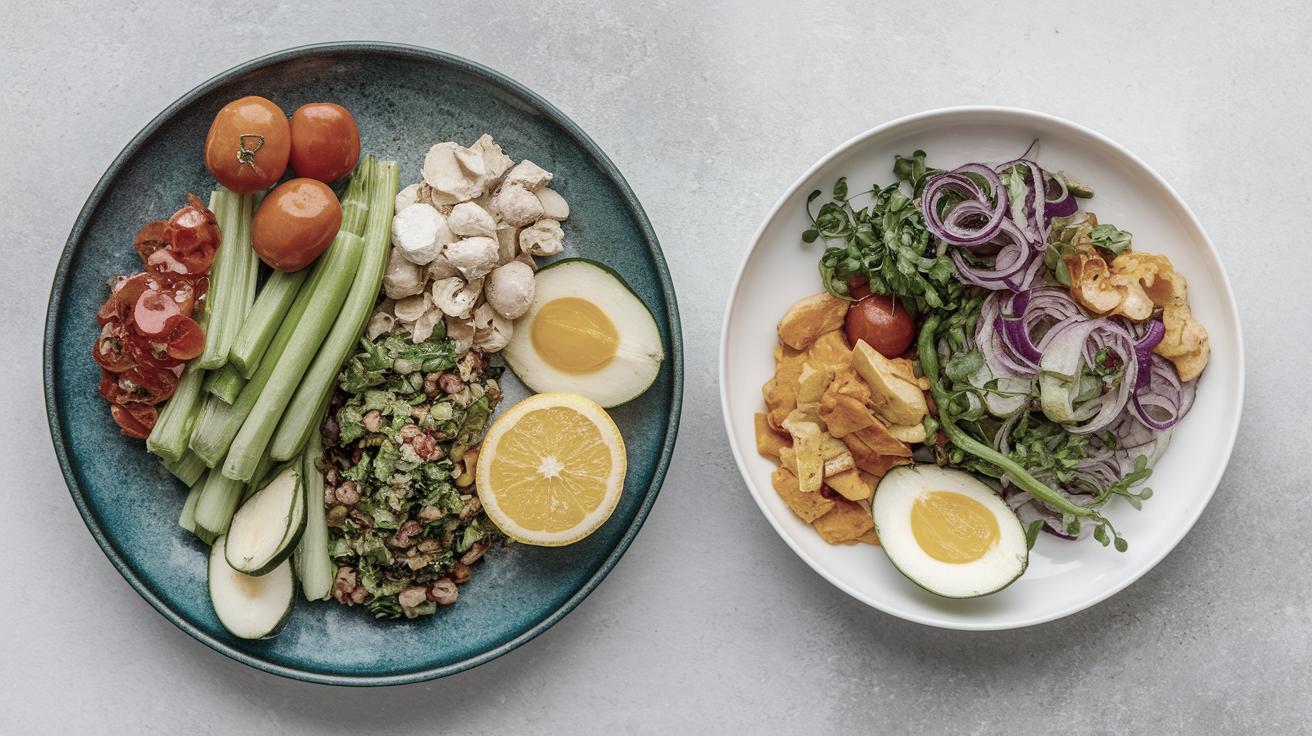
Enhancing a Dish with Artistic Garnishes
In the culinary world, enhancing a dish with artistic garnishes is not only about delighting the taste buds but also capturing the eyes. The way a dish is presented on a plate can greatly impact a diner’s experience, transforming a meal into a captivating story of flavors and textures. This article explores ten insightful techniques to elevate your food presentation skills, from playing with textures and colors to utilizing technology in food preparation. Whether you’re a seasoned chef or a passionate home cook, these methods will encourage you to think creatively, maximizing both the aesthetic appeal and enjoyment of your dish.
News you care about. Tips you can use.
The art of food presentation has been reignited with more home kitchens and professional establishments striving to deliver not just meals, but experiences. With social media platforms showcasing beautiful entrées and intricate desserts, it’s clear that diners are as visually motivated as they are by taste and smell. This trend has propelled many to master the art of food presentation, leading to a more engaged and appreciative audience.
Garnishing a dish has morphed from merely adding a sprig of parsley to thoughtfully crafting a visual companion to the flavors on the plate. By learning innovative techniques and understanding food aesthetics, individuals can transform their culinary creations. After all, when we eat, the first taste is always with the eyes.
The top food presentation and plating techniques
Mastering food plating techniques involves the balance of creativity, precision, and understanding the components of your dish. Starting with a clear vision of what you want to achieve can guide you in choosing colors, textures, and the arrangement of elements. It helps create a focal point that draws the diner’s eye and complements the dish’s flavors.
Some useful techniques include brushing sauces creatively, stacking elements to create height, and utilizing asymmetry to focus attention. Incorporating a variety of shapes and sizes can lead to a more visually interesting plate, drawing parallels between art and culinary design. Moreover, understanding the principles of color theory and composition in art can be directly applied to lifting your food presentation skills.
Food plating and presentation matters
While taste is undoubtedly pivotal, the importance of visual appeal in food cannot be underestimated, as beautifully presented dishes can accentuate the dining experience. The presentation contributes to our anticipation and appreciation of a meal, giving context and narrative to the dish served.
Studies have shown that well-presented food is perceived as more delicious and valuable. Although it adds time and effort to the preparation, the resultant experience is rewarding, both for the chef and the diner. The aesthetic impact of a dish can generate word-of-mouth praise and social media shares, essentially serving as an additional marketing tool.
1. Create height on the plate
Creating height on a plate can give dynamics to an otherwise flat presentation. By layering components or using structures, you bring a sense of dimension and drama. It makes a statement and introduces an element of intrigue as diners explore the different parts of the dish.
Be cautious, however, not to compromise the structural integrity of the dish. Each layer or element should be constructed thoughtfully, with a purpose that enhances the overall flavor profile. Careful balance ensures that the presentation supports the enjoyment of the dish, rather than detracting from it.
2. Cut meat horizontally
Horizontal cuts expose more surface area of the protein, showcasing its tender interior while offering texture contrast. Such cuts not only improve the presentation by making them visually appealing but also make it easier for diners to sample and appreciate the tenderness and quality.
By slicing meat horizontally, you allow for a more poised arrangement on the plate. It can also be paired effectively with other elements, such as vegetables, sauces, or garnishes, providing an opportunity to highlight complementary flavors through strategic plating.
3. Play with textures
Texture plays a key role in both the visual and tactile aspects of food. The interplay between crunchy, smooth, or airy components adds dimension to a dish and keeps diners engaged from the first to the last bite. Varying textures can be introduced with different cooking techniques or through thoughtful use of garnishes.
Incorporating crunchy toppings, silky sauces, or fresh, crisp vegetables can offer contrasting sensations that complement the main dish. The texture becomes an additional layer of artistry, enticing diners to explore each element on their plate. When harmonized well, textural contrast can elevate a dish from mundane to extraordinary.
4. Use contrasting colours
Color contrast is a powerful tool in food presentation. By using ingredients with vivid colors, a dish can be instantly elevated. Bright, contrasting shades draw the diner’s eye, creating visual excitement and anticipation before tasting. Think in terms of the color wheel: contrasting colors like orange and blue or red and green can make a dish truly pop.
Natural ingredients can offer a plethora of color options, from deep reds of beets to the bright greens of herbs. The choice of garnish can bridge colors together or juxtapose them for a striking effect. Always aim for a balance that complements the theme of the dish while heightening its aesthetic appeal.
5. Match food presentation to your restaurant theme
Your food presentation should reflect the theme and style of your culinary establishment. A contemporary, minimalist eatery might favor clean lines and geometric shapes, while a rustic restaurant might lean into organic, earthy presentations. Consistency in presentation reinforces the restaurant’s identity and ensures cohesiveness across the dining experience.
Consider how your seasonings, garnishes, and overall plating communicate your establishment’s values. It provides diners with an immersive experience, where the aesthetics of the plate complement the ambiance and narrative of the dining environment. The presentation becomes another channel to convey the story and ethos of your culinary brand.
6. Choose the right plates
The choice of plate can be as crucial as the dish itself. The size, shape, and color of the plate influence how food is perceived and enjoyed. A larger plate can provide ample canvas for artwork, while smaller plates might suit a more intimate setting. Consider the color contrast that a plate introduces; white plates can make colorful foods stand out, while darker plates may deliver a sophisticated backdrop.
The shape of the plate can dictate how elements are positioned, encouraging creativity and innovation. Experiment with round, square, or even asymmetrical plates to find what best frames your culinary creations. The right plate not only complements the dish but is a functional tool in conveying the intended message of your meal.
7. Serve smaller portion sizes
Smaller portion sizes can allow for a more refined presentation while encouraging diners to savor each bite. Carefully curated portions make it easier to control the dish’s balance and ensure that each component shines. Smaller servings can elevate the perceived value, concentrating flavors and creating a memorable culinary experience.
It also allows room for creative presentation techniques to flourish without overcrowding the plate. In today’s culinary landscape, where waste reduction and sustainability are crucial, smaller portions often reflect a thoughtful approach to both food and customer satisfaction.
8. Use edible garnishes and decorations
Edible garnishes not only enhance visual appeal but can amplify the dish’s flavors and aromas. Consider herbs, edible flowers, or even microgreens, which can provide both taste and flair. Be mindful of how these garnishes integrate with the dish’s overall flavor so they complement rather than clash.
Decorations should serve a purpose beyond the visual—be it adding a burst of freshness, complementing the existing flavor profile, or providing a textural contrast. The beauty of edible garnishes lies in their dual role as aesthetic enhancers and integral flavor components.
9. When in doubt, keep it simple
Simplicity often speaks volumes. When you’re uncertain about how to proceed with presentation, err towards simplicity. A clean, uncluttered plate can be just as impactful—if not more so—than an overcomplicated one. The elegance of a well-executed simple dish can leave a lasting impression.
Focus on the quality of ingredients and the clarity of the composition, letting each component shine without unnecessary embellishments. By emphasizing simplicity, you allow the inherent beauty of your ingredients to capture the imagination and delight of your diners.
10. Express yourself
Above all, food presentation is an opportunity for self-expression. Let your creativity shine through each dish, infusing your plates with personal flair and style. The freedom to personalize your work can translate to passion on the plate, enchanting diners as they experience your culinary vision.
Experiment with new techniques and embrace bold concepts, keeping in mind that the presentation is an evolving art form. In an industry driven by innovation, your expression sets you apart, making your dishes distinctive and marked with authenticity.
The role of technology in your food preparation
Technology has reshaped numerous aspects of food preparation and presentation, offering new tools and possibilities. From precision cooking techniques like sous-vide to innovative plating tools such as food printers, technology can bring precision and creativity to new heights.
The integration of technology doesn’t replace the creativity of a chef but empowers it, providing new avenues to explore in the culinary arts. Utilizing technology can streamline workflow, maintain consistency, and enable intricate presentations that were once deemed labor-intensive or improbable.
Lessons learned
| Aspect | Key Points |
|---|---|
| Height on Plate | Introduces dynamics and intrigue; maintain balance. |
| Horizontal Meat Cut | Improves aesthetics; enhances texture contrast. |
| Textural Play | Offers visual and tactile engagement. |
| Contrasting Colors | Increases visual appeal using vivid shades. |
| Restaurant Theme | Matches presentation with establishment’s identity. |
| Plate Choice | Influences perception; choose size, shape, color wisely. |
| Smaller Portions | Enhances refinement; focuses on quality. |
| Edible Garnishes | Enhances both taste and aesthetic. |
| Simplicity | Emphasizes quality over complexity. |
| Expression | Encourages creativity and personal style. |
| Technology | Enables precision and innovation in preparation. |