
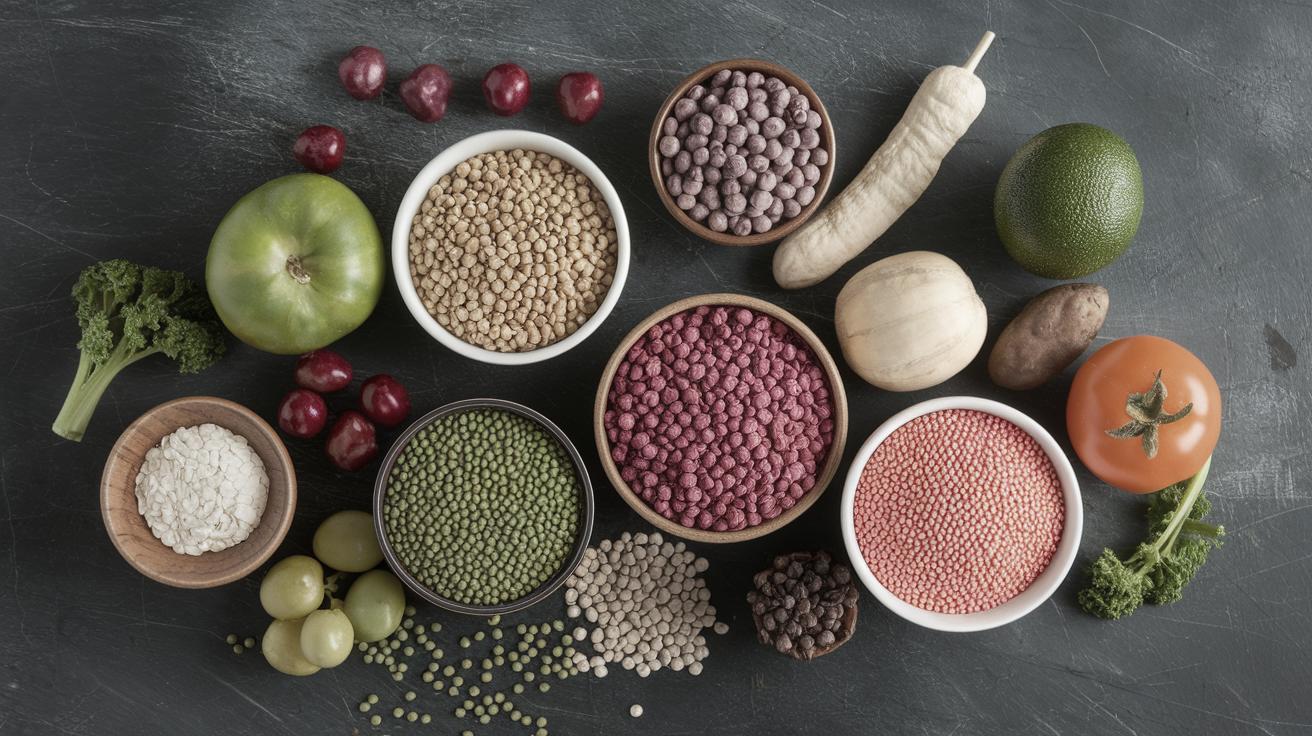
Unlocking Nutritional Powerhouses: The Benefits of Legumes in Daily Nutrition
Legumes are an integral part of a balanced diet, offering numerous health benefits packed in small, versatile forms. This blog post explores the diverse family of legumes, including chickpeas, lentils, peas, kidney beans, black beans, soybeans, pinto beans, navy beans, and peanuts. Each type of legume boasts a unique profile of nutrients contributing to a healthier lifestyle. From being a rich source of plant-based protein to offering a host of vitamins, minerals, and dietary fiber, legumes are true nutritional powerhouses. Join us as we dive deeper into the world of legumes and discover how incorporating them into your daily diet can enhance your well-being and support sustainable eating habits.
1. Chickpeas
Chickpeas, often known as garbanzo beans, are small, round legumes that are staple ingredients in Middle Eastern and Indian cuisine. They are a powerhouse of nutrients, providing a high amount of protein, fiber, and essential vitamins such as folate and manganese. Their protein content makes them an excellent meat substitute for vegetarians and vegans.
The fiber present in chickpeas aids in promoting healthy digestion and maintaining regular bowel movements. Additionally, the soluble fiber in chickpeas helps in lowering cholesterol levels, thus reducing the risk of heart disease. Regular consumption of chickpeas is also associated with better blood sugar control, which is beneficial for individuals with diabetes.
2. Lentils
Lentils are among the most nutritious and economically accessible legumes available. They come in various colors, such as brown, green, red, and black, each with a distinct flavor and nutritional profile. Lentils are packed with B vitamins, iron, magnesium, potassium, and zinc, along with a substantial amount of protein and fiber.
Consuming lentils can help improve gut health due to their high fiber content, which promotes the growth of beneficial gut bacteria. Lentils are also known for their low glycemic index, meaning they have a minimal impact on blood sugar levels, making them ideal for those managing diabetes. Incorporating lentils into your diet can support weight management as they help keep you feeling full for longer.
3. Peas
Peas, including green peas and split peas, are sweet and starchy legumes loved by many. They provide a rich supply of essential nutrients such as vitamin K, vitamin C, and folate, alongside a generous amount of dietary fiber and protein. Peas can be added to a variety of dishes, from soups to salads, and are often a favorite in vegetarian cooking.
One of the key benefits of peas is their ability to support cardiovascular health. The antioxidants and anti-inflammatory compounds found in peas contribute to reducing the risk of chronic diseases, including heart disease. Moreover, peas are helpful in maintaining healthy blood sugar levels due to their fiber and protein content, making them an excellent choice for people with insulin sensitivity.
4. Kidney Beans
Kidney beans are named for their distinctive shape and come in various colors, including red and white. They are widely used in stews, salads, and chili dishes. Kidney beans are an excellent source of plant-based protein, providing about 15 grams per cooked cup, along with significant amounts of fiber, vitamins, and minerals.
The fiber in kidney beans supports digestive health and gives a sense of fullness, potentially aiding weight loss efforts. They also contain resistant starch, which acts as a prebiotic, nourishing the beneficial bacteria in the gut. Studies suggest that regular consumption of kidney beans may improve heart health by helping to lower cholesterol levels and regulate blood sugar.
5. Black Beans
Black beans, commonly used in Latin American cuisine, are known for their rich flavor and versatility. They are high in protein, fiber, and several important nutrients such as magnesium, iron, and folate. The rich color of black beans indicates a high concentration of antioxidants, particularly anthocyanins, which are beneficial for health.
Including black beans in your diet can contribute to better heart health by reducing blood pressure and cholesterol levels. Their high fiber content can stabilize blood sugar levels, making them a wise choice for blood sugar management. Additionally, black beans aid in weight loss as they provide satiety with fewer calories.
6. Soybeans
Soybeans are unique among legumes because they are the only legume that contains all nine essential amino acids, making them a complete protein source. This makes soybeans and their derivatives, like tofu and tempeh, a staple in vegetarian and vegan diets. Additionally, soybeans provide healthy unsaturated fats and a range of vitamins and minerals.
Research indicates that soy consumption can play a role in reducing the risk of heart disease due to its cholesterol-lowering effects. The isoflavones in soybeans are a type of phytoestrogen, which may be beneficial for bone health and may help alleviate menopausal symptoms. Incorporating soybeans into your diet can also aid in maintaining muscle mass and overall metabolism.
7. Pinto Beans
Pinto beans are a popular choice in Mexican dishes and are known for their creamy texture and mildly earthy flavor. They are rich in protein, dietary fiber, and essential nutrients like manganese and phosphorus. Pinto beans are often consumed in refried beans, burritos, and soups.
The fiber in pinto beans aids digestion, supports regular bowel movements, and helps control blood sugar levels. They are also known to promote heart health by reducing cholesterol levels and lowering the risk of cardiovascular diseases. Pinto beans can be a nourishing component in weight management strategies due to their ability to satisfy hunger for extended periods.
8. Navy Beans
Navy beans, small and white, are often called haricot beans. They are commonly used in baked bean dishes and soups. Navy beans are nutrient-dense, providing a significant amount of fiber, protein, and essential micronutrients such as folate, iron, and potassium.
Including navy beans in your diet can improve digestive health by promoting regular bowel movements and preventing constipation due to their high fiber content. They are also associated with better heart health as they can aid in lowering blood cholesterol levels. Additionally, navy beans are beneficial in blood sugar regulation, making them a suitable option for diabetics.
9. Peanuts
Although commonly referred to as nuts, peanuts are legumes closely related to beans and lentils. They are a rich source of protein, healthy fats, and a variety of vitamins and minerals, including biotin, niacin, and vitamin E. Peanuts are often consumed as snacks or processed into peanut butter.
Peanuts are known for their heart-healthy properties. Regular consumption of peanuts has been linked to reduced risk factors for heart disease, including improved cholesterol levels and enhanced blood vessel health. Peanuts are also a great source of energy and can be a part of weight management diets when consumed in moderation, due to their satisfying fat and protein content.
The Bottom Line
Legumes are diverse in their benefits and applications, making them a valuable addition to any diet. They are not only rich in nutrients such as protein, fiber, and essential vitamins, but they also support heart health, aid in digestion, and promote stable blood sugar levels. Legumes are versatile ingredients that can be easily integrated into a variety of dishes to enhance flavor and nutritional value.
Just One Thing
By incorporating an array of legumes into your daily diet, you can unlock a host of health benefits while enjoying a delicious and sustainable way of eating. Whether you prefer them whole, in soups, or blended into spreads, legumes are an excellent choice for nourishing your body and contributing to a healthier lifestyle.
| Legume | Main Benefits |
|---|---|
| Chickpeas | High in protein and fiber; assists with digestion and blood sugar control |
| Lentils | Rich in B vitamins and minerals; promotes gut health and stable blood sugar levels |
| Peas | Heart health support; maintains blood sugar levels and offers essential nutrients |
| Kidney Beans | Rich protein source; aids digestion and heart health |
| Black Beans | High in antioxidants and fiber; promotes heart health and weight maintenance |
| Soybeans | Complete protein source; supports heart and bone health |
| Pinto Beans | High fiber; aids heart health and blood sugar control |
| Navy Beans | Nutrient-rich; supports digestion and heart health |
| Peanuts | Rich in protein and healthy fats; supports heart health |

