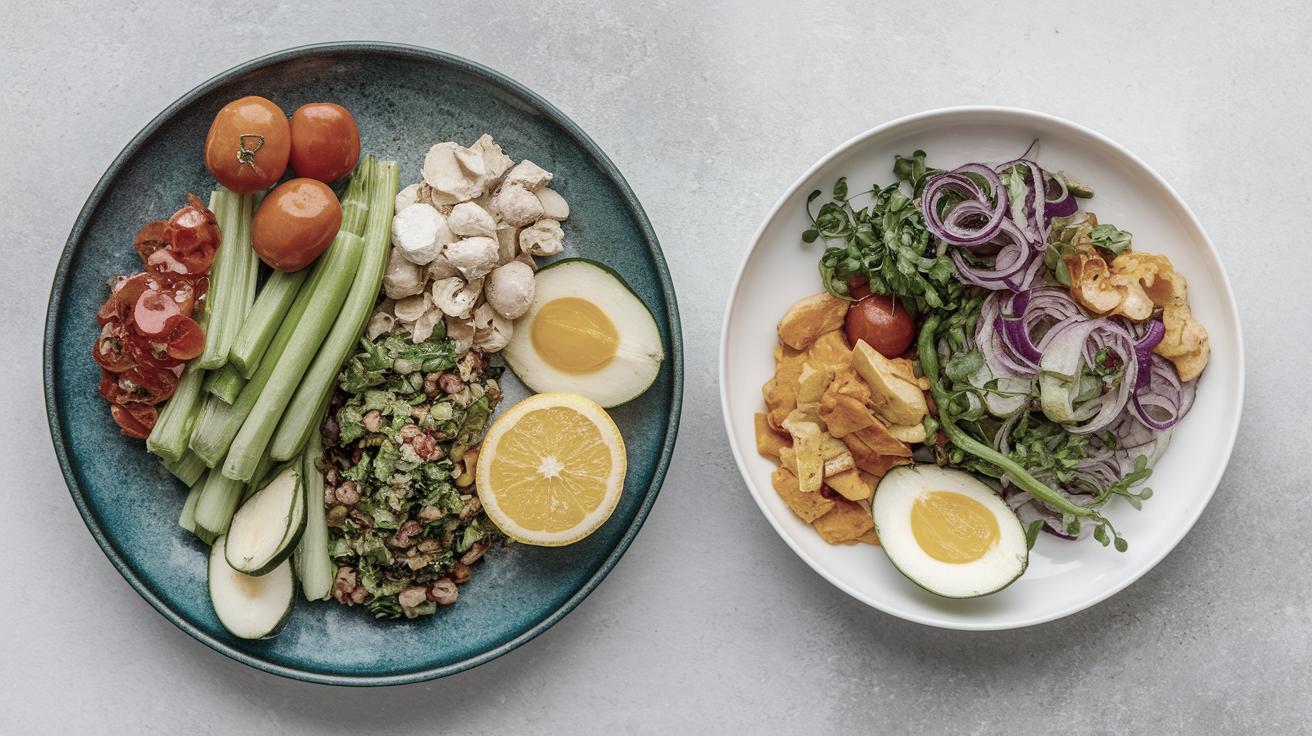
Creating a well-balanced dish involves more than just following a recipe. It demands an understanding of how flavors and textures mingle and enhance one another. This blog post delves into the art of balancing flavors in your cooking, from the play of sweet, sour, salty, and bitter elements, to the myriad textures that create a symphony on your palate. We’ll explore how to achieve this harmony, providing practical tips and insights that will elevate your culinary skills. We’ll also point you towards related articles for further learning and invite you to engage with the content by sharing your perspective.
How to balance the flavours in your cooking
1. Understanding the Basic Tastes
Balancing flavors starts with understanding the five basic tastes: sweet, sour, salty, bitter, and umami. Each of these elements serves a unique role in the culinary world. For instance, sweetness typically adds richness and can round out sharper flavors. It is commonly found in ingredients like sugar, honey, and certain vegetables.
Sourness, often imparted by citrus fruits, vinegars, and fermented products, provides a refreshing counterbalance that can cut through richness and oily textures. Recognizing these fundamental roles is crucial in pairing and modifying flavors effectively.
2. The Role of Umami
Umami, the savory taste found in foods like tomatoes, mushrooms, soy sauce, and aged cheeses, adds depth and a savory richness to dishes. It is often referred to as the “fifth taste” because it cannot be classified as purely sweet, sour, salty, or bitter.
Maximizing umami in your cooking can enhance the other flavors in your dish. For instance, adding a dash of soy sauce or incorporating fermented products like miso can bring out the savory undertones and provide a more rounded flavor profile.
3. Balancing Sweet and Salty
The sweet and salty flavor combination is a popular favorite, evidenced in gastronomic staples like salted caramel or sweet and salty kettle corn. The key to mastering this balance lies in using restraint; a little salt can enhance sweetness, while a touch of sugar can soften overly salty flavors.
When pairing these flavors, consider the primary taste you want to highlight and use its counterpart as a subtle undertone. This balanced approach helps in creating harmonious dishes that are well-rounded and delightful.
4. The Importance of Aroma
A significant element of flavor balancing that is often overlooked is aroma. The scent of a dish precedes taste and can dramatically influence the perception of flavors. Herbs, spices, and aromatics such as garlic and onions add layers of complexity that can transform a dish.
Utilizing aromatic components strategically—perhaps by toasting spices or gently blooming garlic in oil—can elevate both the flavor and fragrance of a dish, creating an enticing sensory experience.
5. Texture: The Unsung Hero
In cooking, texture is just as vital as flavor. A dish with perfect flavor can still disappoint if the textures are off. Consider the contrast between crunchy and creamy or smooth and crisp; these variations can make a meal far more interesting and pleasurable.
Incorporating diverse textures, such as adding nuts for crunch or using a smooth sauce against a coarse component, can play a crucial role in crafting a balanced dish that appeases the senses.
6. Balancing Bitterness
Bitterness can be a challenging flavor to incorporate due to its often overpowering nature. However, when used correctly, it can add layers of complexity and contrast to a dish. Ingredients like dark chocolate, coffee, and certain greens have notable bitter profiles.
To balance bitterness, it’s important to pair it with flavors that can either complement or mellow it. Sweetness and acidity are particularly effective in counteracting bitterness, providing a pleasing interplay.
7. Acidity as a Balancing Act
Acidity can enliven a dish and bring balance where needed. Often, a squeeze of lemon or a splash of vinegar is what a dish needs to go from flat to flavorful. This bright note can enhance other components and add a refreshing finish.
Knowing when to add acid is crucial; too much can overwhelm, but just enough can elevate the entire culinary experience. Try incorporating acidity in different ways, such as through pickling or using fresh fruits.
Related articles
If you enjoyed this exploration of balancing flavors and textures, you might find these articles equally engaging: “The Art of Pairing Wines with Food,” “Exploring Global Cuisines: A Flavor Journey,” and “The Science of Taste: Understanding Your Palate.”
Rate this article
We would love to hear your thoughts and feedback on this article. Please rate it here to let us know if you found the content useful and engaging.
Thanks for your feedback
We appreciate you taking the time to provide your feedback. It helps us continually improve and provide the best content for our readers.
Tell us more
Your opinions and experiences matter to us. If you have further insights or questions about balancing flavors, feel free to share your thoughts here.
More articles on Culinary Education
Expand your culinary knowledge by exploring more articles on culinary education. From cooking techniques to kitchen innovations, we have a wealth of information to enhance your culinary journey.
Are you sure you want to delete your contribution?
Deleting your contribution will remove it permanently and cannot be undone. Please confirm your decision.
Are you sure you want to delete your reply?
Deleting your reply will remove it from this thread permanently. Please confirm if you wish to proceed.
Share:
If you found this article helpful, share it with your friends, family, and fellow food enthusiasts to spread the joy of cooking and flavor balancing.
Summary of Main Points
| Flavor Element | Description | Balancing Tips |
|---|---|---|
| Sweet | Provides richness and rounds out flavors | Add a touch of salt for enhancement |
| Sour | Refreshes and cuts through richness | Use to lighten heavy dishes |
| Salty | Enhances and contrasts sweetness | Add sugar to soften edges |
| Bitter | Brings complexity and depth | Counteract with sweet or acidic flavors |
| Umami | Adds savory depth and richness | Incorporate fermented products or soy sauce |
| Aroma | Influences flavor perception | Use herbs and spices strategically |
| Texture | Enhances sensory experience | Utilize contrasting textures for interest |