
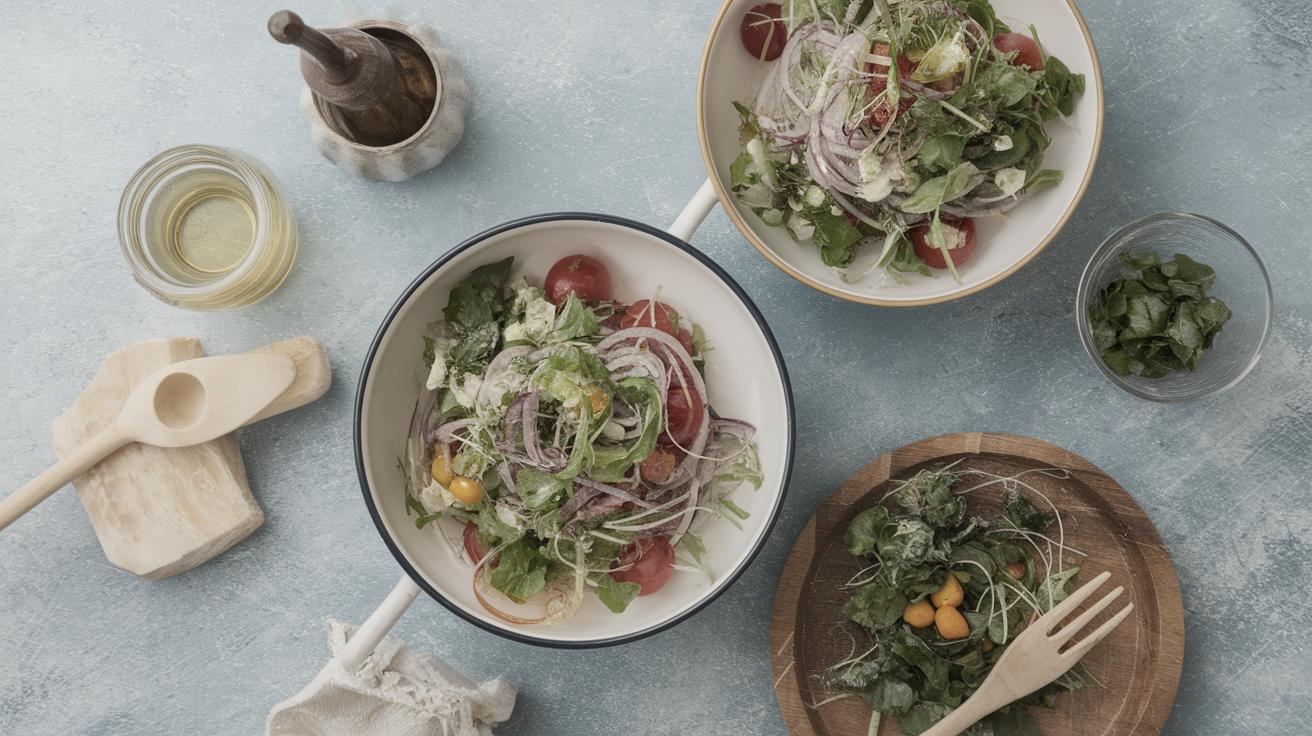
How to Cook Responsibly with Zero Waste
The concept of zero-waste cooking is rapidly gaining traction, encouraging individuals to approach meal preparation with sustainability in mind. This practice not only reduces waste but also promotes a healthier planet and can improve personal health. By implementing strategies such as meal planning, composting, and thoughtful shopping, individuals can significantly reduce their kitchen waste. This guide delves into the principles of zero-waste cooking, exploring its feasibility, benefits, and practical steps to get started. Discover how a mindful approach to cooking can lead to a more sustainable lifestyle, ensuring that every step in your culinary process leaves a positive imprint on the environment.
It’s a Book!
You don’t need to look much further than your favorite cookbooks to find the makings of zero-waste magic. Cookbook authors and chefs are increasingly writing about their motivations to minimize waste and build a more sustainable future. By turning to these books, you can explore new ideas and innovative methods for reducing waste while enhancing the culinary experience. The insights from industry professionals can serve as a powerful tool to guide your zero-waste journey at home.
Zero-waste cookbooks abound with recipes that make the most of every ingredient, encouraging creativity and efficiency in the kitchen. These books can inspire you to adopt new habits, such as using parts of vegetables that are often discarded or turning leftovers into delectable new dishes. By investing time in these texts, you’re embracing not only an education in culinary arts but also a commitment to responsible and sustainable consumption.
What is Zero-waste?
Is it really possible?
Zero-waste cooking is the practice of minimizing waste throughout the culinary process. It focuses on making the most out of every ingredient, using creative methods to reduce, reuse, and recycle food materials. While reaching absolute zero waste can be challenging due to external factors like packaging and unavoidable organic waste, reducing waste significantly is entirely feasible with mindful practices.
To truly grasp zero-waste cooking, it’s crucial to acknowledge that it’s more of a journey than a destination. While perfection is nearly impossible, every small effort can accumulate into substantial environmental benefits. By adopting a zero-waste mindset, individuals are encouraged to continuously seek new ways to minimize their waste footprint and inspire others to follow suit.
What are the Benefits?
Reduces Food Waste
A significant benefit of zero-waste cooking is its ability to drastically cut down on food waste. By understanding how to better utilize each ingredient fully, consumers can avoid the unnecessary disposal of food products. This not only stretches your grocery budget but also addresses the larger societal issue of waste management.
Reducing the amount of food that ends up in the trash reduces the strain on landfills and lowers greenhouse gas emissions associated with waste decomposition. This can play a role in easing some of the environmental pressures faced worldwide, contributing to a healthier planet for future generations.
Reduces Your Use of Plastics and Packaging
Another essential aspect of zero-waste cooking is the reduction of plastics and packaging. These practices reduce dependency on single-use plastics and encourage the use of sustainable alternatives, such as reusable containers and cloth produce bags. This shift in habits can lead to a significant decrease in plastic pollution.
Opting to buy in bulk where possible or choosing products with minimal packaging are steps that can make a considerable difference. By supporting brands and products that prioritize sustainable packaging efforts, consumers play a part in driving demand for more environmentally-friendly options in the marketplace.
Is Zero-waste Cooking Better for Health?
Aids Environmental Health
Zero-waste cooking indirectly promotes healthier ecosystems by reducing the demand for waste processing and limiting pollution. By focusing on sustainability, zero-waste practices help conserve resources, such as energy and water, which are essential for environmental health.
Encouraging others through community initiatives and personal advocacy can amplify these environmental health benefits. By working together towards a shared goal of waste reduction, our collective action can foster balanced ecosystems and a healthier environment.
May Improve People’s Nutrient Intake
In addition to environmental health, zero-waste cooking may also enhance personal health by encouraging the consumption of whole foods. Adopting a zero-waste lifestyle often involves sourcing local, fresh ingredients, which can be richer in essential nutrients compared to processed foods.
Cooking with a conscious mindset can increase awareness about the nutritional content of meals, fostering better eating habits and a balanced diet. As individuals seek to maximize the use of all parts of an ingredient, they often gain exposure to a diverse range of nutrients and flavors.
How to Get Started with Zero-Waste Cooking
1. Plan Your Meals
The first step to successful zero-waste cooking is thoughtful meal planning. By plotting out meals for the week and creating a detailed shopping list, you can purchase only the ingredients you need, thus minimizing surplus items and potential waste.
Incorporating strategic planning also opens the door to creativity in the kitchen, as it encourages you to plan for leftovers and find exciting ways to utilize them in new, delicious dishes.
2. Think Twice When Eating Out
Dining out can pose challenges for sustaining zero-waste habits due to the prevalence of disposable containers and excess packaging. However, by choosing eco-friendly eateries or kindly requesting minimal packaging, individuals can mitigate waste when dining out.
Participating in community movements such as opting for reusable to-go containers can also contribute to waste reduction outside the home, promoting widespread awareness of zero-waste principles.
3. Repurpose What You Can
The art of repurposing is central to zero-waste cooking. By using vegetable scraps for stock or stale bread for croutons, you develop the ability to transform potential waste into valuable culinary resources.
Harnessing repurposing techniques enhances creativity and kitchen skills, turning ingredients that might have been discarded into delightful dishes without additional cost or waste.
4. Compost What You Can’t Reuse
When reusing isn’t feasible, composting is an excellent alternative. Food scraps that cannot be repurposed can contribute to nutrient-rich compost, beneficial for gardening and promoting healthy soil.
While composting can be as simple as maintaining a small bin in your kitchen, it provides an opportunity to close the zero-waste loop, returning organic material back into the ecosystem productively.
5. Shop with Zero-waste Cooking in Mind
Strategic shopping plays an essential role in zero-waste cooking. Prioritize supporting local farmers and markets where fresh produce can be purchased with minimal packaging, and explore bulk buying to reduce unnecessary waste.
Being aware of the supply chain and selecting products that reflect your zero-waste values contributes to a more responsible consumer ecosystem and sets a standard for aspiring zero-wasters.
6. Store Food for Maximum Shelf Life
Proper food storage methods can extend shelf life and protect your ingredients from premature spoilage. Utilize airtight containers, temperature-appropriate storage, and a strategic arrangement within your refrigerator or pantry to maintain the quality of your products.
Brightening your storage skills minimizes waste and preserves the integrity and flavor of your meals, showcasing a mindful approach to ingredient management.
7. Preserve Your Own Foods
Food preservation techniques such as canning, fermenting, or drying can help you make the most out of seasonal produce, decreasing the need for packaged, processed items.
Through these traditional methods, you not only retain the nutritional benefits of your food but also reduce your environmental impact by avoiding excess waste and exploring preservation as a major component of zero-waste cooking.
The Bottom Line
Just One Thing
Every small action contributes to larger goals, and embracing zero-waste cooking practices reinforces the importance of sustainable habits. Empower yourself to make intentional choices that positively impact both the environment and your health.
The journey toward zero waste, grounded in community and collaboration, supports the movement toward a more sustainable future, one delicious meal at a time.
| Aspect | Details |
|---|---|
| Zero-Waste Concept | Minimize waste, creatively utilize ingredients, embrace sustainable cooking practices. |
| Benefits | Reduces food waste and plastics, improves environmental and personal health. |
| Getting Started | Plan meals, repurpose, compost, shop sustainably, preserve, store effectively. |
| Mindset | Commit to continual improvement, small steps create meaningful change. |

