
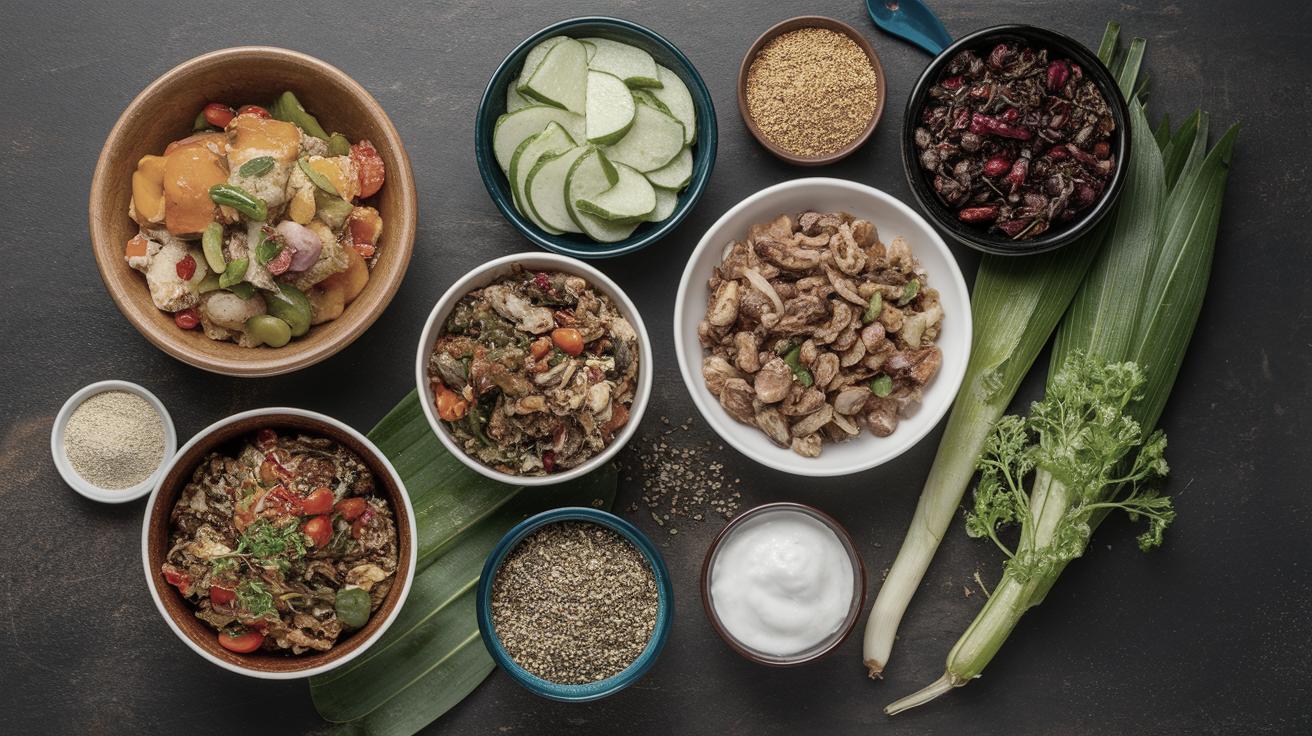
Principles of Ayurvedic Cooking
The Ayurvedic diet has its roots in ancient Indian practices and is based on the idea of balancing different energies or doshas within our bodies. This article will explore the basics of the Ayurvedic diet, its history, principles, and recipes, alongside the potential health benefits it offers. Additionally, you’ll discover practical tips for getting started and how to best tailor this diet to your lifestyle. Whether you’re a seasoned practitioner or new to this approach, understanding Ayurvedic cooking can be an enlightening journey towards achieving optimal health and well-being.
What Is an Ayurvedic Diet?
The Ayurvedic diet is a holistic eating plan aligned with traditional Indian medicine, focusing on balance and harmony within the body. It emphasizes consuming whole foods, mindful eating, and individualized dietary practices based on one’s dosha, or constitution. Ayurvedic principles believe that food is more than just sustenance; it is a key factor in maintaining mental, physical, and spiritual health.
This diet incorporates a variety of foods and flavors to create a balanced and nourishing meal plan. The nutrients derived from these foods help pacify imbalances in an individual’s dosha. Understanding and tailoring your meals to your unique constitution can potentially enhance well-being and promote healing.
History of the Ayurvedic Diet
Ayurveda, a traditional holistic healing system, originates from the Indian subcontinent over 5,000 years ago. It integrates principles from spiritual practices, herbal medicine, and dietetics, emphasizing the interconnectedness of mind, body, and spirit. The Ayurvedic diet is integral to this system, focusing on food as a tool for prevention and treatment.
This ancient dietary practice has evolved over millennia, maintaining its relevance due to its adaptive nature and enduring holistic principles. Today, Ayurveda is recognized globally, embraced by wellness enthusiasts and health practitioners seeking alternative and integrative medical approaches.
How the Ayurvedic Diet Works
The Ayurvedic diet works by aligning with an individual’s dosha, which is determined by physical and emotional attributes. It emphasizes eating whole, natural foods that support the body’s natural rhythms and cycles, enhancing the flow of vital energy or ‘prana’.
Each dosha – Vata, Pitta, and Kapha – corresponds to elements in nature, such as air, water, fire, and earth. Tailoring one’s diet to balance these elements helps prevent disease, aids digestion, and promotes optimal health. The Ayurvedic diet encourages awareness of not just what you eat, but also how and when you eat.
Cooking With the Ayurvedic Diet
Seasonality Principles
Ayurvedic cooking emphasizes eating seasonal foods that align with the climate and your body’s needs throughout the year. Each season is associated with specific tastes and food types that are believed to balance the doshas effectively.
For example, in the spring, one might focus on lighter, detoxifying foods such as leafy greens to balance Kapha dosha, while winter might call for heavier, warming spices to maintain Vata balance.
The 6 Tastes
A key principle in Ayurvedic cooking is incorporating the six tastes into every meal: sweet, sour, salty, bitter, pungent, and astringent. This variety ensures a balanced diet that satisfies all nutritional needs and pacifies cravings.
Balancing these tastes in your meals can promote harmony in your constitution, mitigate emotional eating, and support overall health. Each taste also corresponds to different elements, impacting the doshas in unique ways.
Food Combination Principles
Ayurveda emphasizes proper food combinations to enhance digestion and assimilation of nutrients. For instance, it suggests avoiding mixing fruit with dairy or starches to prevent digestive discomfort.
Understanding these combinations is crucial, as poor combinations can lead to ‘ama’, or toxins in Ayurveda, contributing to imbalances and health issues. Proper combinations promote optimal digestive fire or ‘agni’, which is vital for sustaining health.
Eating for Your Constitution (Dosha)
Vata
Vata dosha, associated with air and space elements, governs movement and communication. Those with a Vata constitution should focus on warm, oily, and grounding foods with sweet, sour, and salty flavors to maintain balance.
Examples of beneficial foods include cooked grains, stews, and root vegetables. Avoiding raw, cold foods and caffeine can help stabilize Vata’s natural tendencies towards dryness and irregularity.
Pitta
Pitta dosha, characterized by fire and water elements, is responsible for transformation and metabolism. People with a Pitta constitution benefit from cooling, hydrating, and less spicy foods, favoring sweet, bitter, and astringent tastes.
They should try to avoid acidic, hot, and oily foods, which can exacerbate Pitta’s fiery nature, leading to over-heating and irritability. Instead, focus on fresh fruits, salads, and grains like basmati rice.
Kapha
Kapha dosha combines water and earth, known for structure and stability. To prevent stagnation, Kapha types should eat light, warm, and stimulating foods with pungent, bitter, and astringent tastes.
Focusing on beans, spices, and leafy greens can invigorate the typically calm nature of Kapha. Avoiding heavy, oily, and sugary foods will help prevent sluggishness and support energy levels.
Types of Foods Commonly Used in Ayurvedic Cooking
Plants and Plant-Based Foods
Ayurvedic cooking heavily relies on plant-based foods, offering a wide range of fruits, vegetables, legumes, nuts, and seeds. These ingredients provide essential nutrients while supporting detoxification and nourishment.
Emphasizing diverse plant foods ensures a balance of tastes and nutrients, promoting a diet rich in fiber, antioxidants, vitamins, and minerals essential for overall health.
Spices
Spices play a pivotal role in Ayurvedic cooking, not just for flavor but also for their medicinal properties. Commonly used spices include turmeric, ginger, cumin, and coriander, which aid digestion and enhance health.
Each spice brings unique qualities that complement various doshas, supporting better absorption and metabolism of foods while infusing dishes with vibrant tastes and aromas.
Ghee
Ghee, or clarified butter, is a staple in Ayurvedic diets, prized for its rich taste and numerous health benefits. It is believed to nourish tissues, support digestion, and enhance flavor without overwhelming the digestive system.
This healthy fat is used for cooking or as a dressing for dishes, benefiting every dosha and contributing to internal balance and nourishment.
3 Ayurvedic Recipes to Try
If you’re interested in incorporating Ayurvedic cooking into your life, here are three simple yet delicious recipes to get you started:
Kitchari:
A traditional comfort dish made with mung beans, rice, and spices. It’s easy to digest and perfect for balancing all doshas.
Golden Milk:
A soothing drink made with turmeric, milk, and spices like black pepper and cinnamon. It calms the mind and supports digestion.
Ayurvedic Lentil Soup:
A nourishing mix of lentils, carrots, spinach, and spices that warms the body and balances Vata and Kapha doshas.
Possible Health Benefits of Eating an Ayurvedic Diet
May Improve Digestion
An Ayurvedic diet is believed to enhance digestive health by using spices and herbs that stimulate the digestive system, fostering better nutrient absorption.
Incorporating properly combined, whole foods minimizes digestive strain and supports the body’s natural ability to process meals efficiently and effectively.
May Enhance Mindfulness
Ayurvedic dining is about more than just eating; it encourages mindful consumption, fostering a deeper connection to food and its nourishing qualities.
This awareness often leads to improved eating habits, such as portion control and recognition of the body’s hunger signals, promoting greater satisfaction and appreciation for each meal.
May Help With Weight Loss
Personalized to the individual’s dosha, the Ayurvedic diet can facilitate healthy weight loss by tailoring food choices and eating habits.
By focusing on balance, moderation, and mindful eating practices, followers of the diet can achieve and maintain a healthy weight naturally.
May Improve Your Mood
The holistic nature of the Ayurvedic diet addresses mental well-being as well, promoting mood stabilization through balanced nutrition and lifestyle practices.
Harmonizing the doshas and incorporating foods with mood-boosting properties can alleviate stress and support emotional health.
May Boost Energy
By providing the body with essential nutrients and promoting efficient digestion, the Ayurvedic diet can enhance energy levels and reduce feelings of fatigue.
Balanced meals tailored to the individual’s unique needs ensure the body receives appropriate fuel, leading to sustained vitality throughout the day.
Ayurvedic Diet Safety and Side Effects
The holistic nature of the Ayurvedic diet is generally considered safe for most individuals, as it emphasizes natural and whole foods. However, it is essential to adjust the diet based on personal health conditions and nutritional needs.
Consulting a qualified Ayurvedic practitioner or healthcare provider is advised, especially for those with specific dietary restrictions or pre-existing health issues, to ensure the diet is balanced and meets all nutritional requirements.
Who Might Want to Try (and Avoid) an Ayurvedic Diet
An Ayurvedic diet may appeal to those seeking a holistic approach to health, focusing on balance and individualized wellness. It can be beneficial for those interested in preventive health, mindfulness, and a more conscious lifestyle.
However, individuals with strict dietary needs, certain health conditions, or those seeking quick dietary fixes may find the approach challenging. It is important to assess whether the dietary principles align with personal health goals and lifestyle.
Tips for Getting Started With an Ayurvedic Diet
Stock Up On Fresh Foods
An Ayurvedic diet emphasizes the consumption of fresh, whole foods. Stocking up on seasonal fruits, vegetables, and grains is essential to plan balanced and nutrient-rich meals.
This practice supports sustainable eating habits and ensures that meals are as nutrient-dense as possible, aligning with dietary principles for optimal health.
Eat 3 Meals per Day
Regular meal timing is a core principle in Ayurveda. Consuming three well-balanced meals per day aligns with the body’s natural rhythms, aiding digestion and metabolism.
Making lunch the largest meal can optimize digestive strength, while a lighter dinner supports restful sleep and energy restoration for the following day.
Discover Your Dosha
Understanding your dosha is crucial for personalizing the Ayurvedic diet to suit your needs. Conducting self-assessment quizzes or consulting with a practitioner can help identify your dosha type.
This understanding allows for dietary adjustments that harmonize with your constitution, promoting balance and long-term health improvements.
Learn About What Fuel Your Dosha Needs
Once you know your dosha, it becomes easier to make dietary choices that support your body’s unique energy balance. Each dosha benefits from different food types and eating habits.
Researching foods that balance your dosha can provide insight into optimizing health, reducing imbalances, and preventing illness effectively.
What to Expect When Eating an Ayurvedic Diet
Before
Before transitioning to an Ayurvedic diet, it is vital to familiarize yourself with its principles and prepare mentally for a lifestyle change. Planning is essential for a smooth transition and ongoing success.
Assessing your current diet and lifestyle can help highlight areas for improvement and determine realistic expectations and goals.
During
During your journey with the Ayurvedic diet, you might experience increased mindfulness, enhanced taste awareness, and a newfound appreciation for the role of food in health and wellness.
Staying patient and adaptable, using trial and error to find what suits your body best, and seeking guidance when necessary helps maintain balance and progress.
After
After adjusting to an Ayurvedic dietary approach, you might notice improvements in energy, mood, and overall health. The principles might become integral to daily life, promoting sustained emotional and physical wellness.
Continual learning and adaptation to life changes ensures enduring benefits, aligning with Ayurveda’s dynamic nature to support a thriving lifestyle.
What Does an Ayurvedic Diet Cost?
The cost of an Ayurvedic diet can vary depending on individual food choices, availability of ingredients, and access to fresh produce. While specialty items or organic produce may be pricier, the diet emphasizes basic, whole foods, which are often more affordable.
Overall, investing in quality ingredients and personalized wellness can provide significant long-term health benefits, making the initial costs worthwhile for fostered well-being.
Resources We Love: Ayurvedic Diet
Best Website
Visit
VeganRise
for comprehensive resources on Ayurvedic cooking, including recipes, dosha quizzes, and wellness guides.
Best Guide
The book
“The Complete Guide to Ayurvedic Home Remedies”
offers a thorough exploration of Ayurvedic principles and practical applications for daily living.
Best Videos
Check out
Ayurvediq
on YouTube for insightful cooking demonstrations and expert talks on Ayurvedic nutrition.
Best Podcast
”
The Ayurveda Podcast
” dives into holistic health, exploring dietary principles, self-care practices, and diverse guest perspectives.
Best Books
Explore titles like
“The Everyday Ayurveda Cookbook”
and
“Ayurveda: The Science of Self-Healing”
for accessible guidance on incorporating Ayurveda into your life.
Next Steps
| Content | Description |
|---|---|
| What Is Abhyanga? | A beginner’s guide to Ayurvedic self-massage for relaxation and health. |
| 5 Potential Health Benefits of an Ayurvedic Diet | An overview of how this dietary approach may enhance health and well-being. |
| What Is Ayurveda? | A detailed beginner’s guide to traditional Ayurvedic medicine. |
| What Is a Climatarian Diet? | A complete guide to adopting a sustainable eating approach. |
| What Is the Asian Diet? | Exploration of potential health benefits, food list, meal plan, and more. |
| What Is the Nordic Diet? | Research, weight loss, food list, and more on this dietary approach. |
| The Blue Zones Diet | A complete scientific guide to longevity and health through diet. |
| Could Eating Better Add a Decade or More to Your Life? | A look into the potential longevity benefits of a healthy diet. |
| What Is the Anti-Inflammatory Diet? | A detailed beginner’s guide to reducing inflammation through eating. |
| Ornish Diet 101 | A complete guide for beginners on the Ornish Diet and its health benefits. |

