
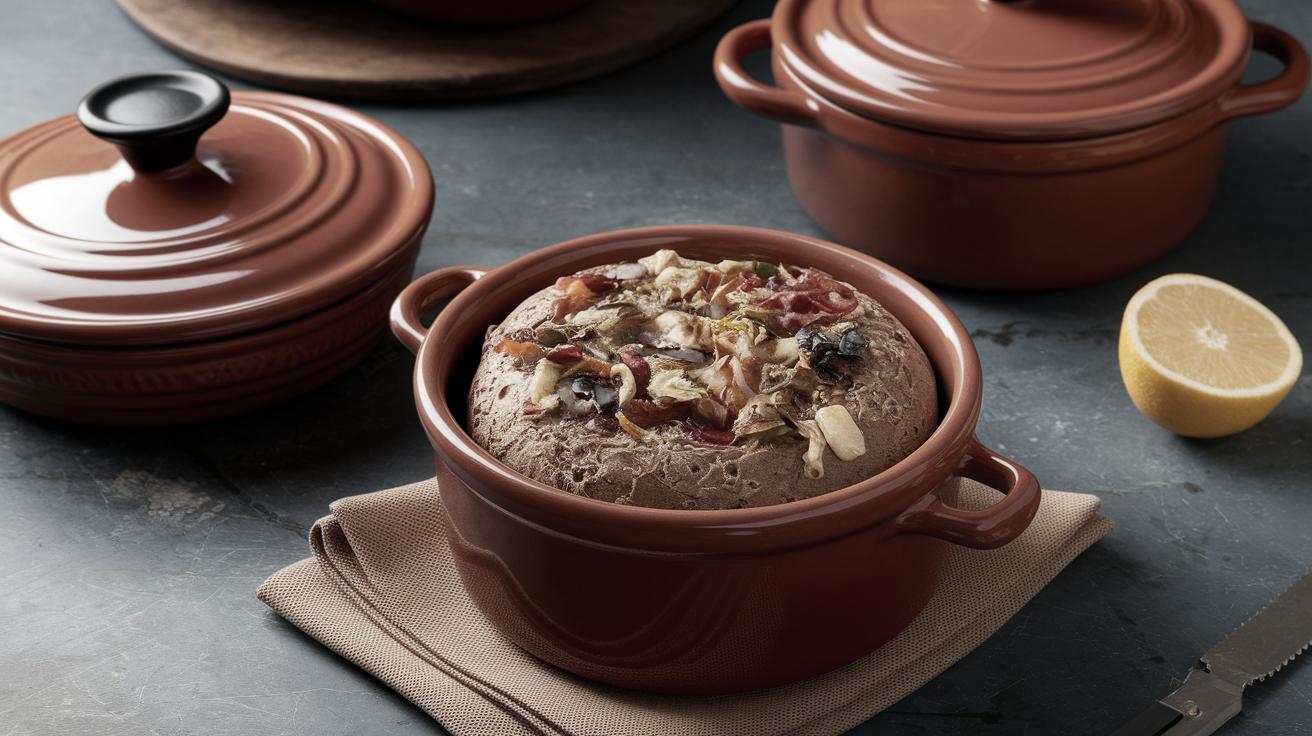
The Benefits of Baking with Clay Pots
Baking with clay pots, also known as MEC (Made in Eco-friendly Clay) pots, offers a unique and enriching culinary experience. These pots have gained popularity among health-conscious cooks and traditional cooking enthusiasts. Clay pots, with their natural material and time-tested design, provide several advantages over contemporary cookware. From enhancing food flavor and preserving nutrients to offering health benefits and simplifying the cooking process, cooking with clay pots brings an array of benefits. However, like any cooking method, it also comes with a few disadvantages. This article delves into these aspects, shedding light on why you might consider including clay pots in your kitchen repertoire.
Advantages of MEC Pots
Food Tastes Better
Clay pots are known for enhancing the flavor profile of the food. Due to their porous nature, these pots allow moisture and heat to circulate through the pot walls, which helps in distributing flavors evenly. The entire cooking process encourages the infusion of spices and enhances the natural taste of the ingredients, offering a more robust and mouthwatering culinary experience.
The subtle earthy aroma of clay pots also plays a role in improving the taste. This aroma infuses into the food, imparting a distinctive and appealing essence that is often missing in conventional metal cookware. The natural pores of clay gently Baste food within, locking in natural juices and flavors.
More Nutrients and Better Bioavailability
Modern cookware materials often lead to loss of important nutrients. During conventional cooking, vital minerals and vitamins can get lost or reduced significantly. Baking in clay pots helps in the retention of nutrients due to their ability to cook at moderately lower temperatures over longer periods.
Another significant benefit is improved bioavailability of the food. Cooking in clay ensures a slow diffusion of heat which allows foods to maintain their essential nutritional properties. This means that the vitamins and minerals are more readily absorbed by the body, providing a healthier meal.
Health Benefits
Cooking with clay pots is a healthier alternative to using non-stick cookware, which can release harmful chemicals at high temperatures. The clay material used in MEC pots is 100% natural and free of additives, which means no unexpected toxins leach into your meals.
Furthermore, cooking with clay pots can lower your usage of oil and fats in meals, contributing to lower-calorie meal preparation. This cookware is ideal for steam-based and low-fat cooking methods, which align with modern dietary needs.
Simpler, More Hands-off Cooking
Using clay pots can make your cooking experience more straightforward and less labor-intensive. These pots are renowned for their heat retention qualities, which allow for even cooking without frequent stirring or heat adjustments.
The slow cooking process of clay pots means you can plan and prepare meals without being tied to the kitchen. This hands-off approach provides an opportunity to multitask or simply relax, leaving the clay pot to work its magic.
Disadvantages
While baking with clay pots offers numerous benefits, there are some disadvantages to consider. One primary concern is the fragility of clay pots. They are more prone to cracking and breaking compared to metal cookware, requiring careful handling and storage.
Additionally, cooking with clay pots demands a learning curve; it involves unique cooking techniques, such as seasoning the pot before first use and understanding how to adjust to longer cooking times. These factors might deter some from adopting clay cookware in their everyday routine.
Moreover, the initial investment in quality clay pots can be higher relative to other cookware. For some, the cost combined with the upkeep might not justify the switch from their current culinary tools.
Final Thoughts
| Advantages | Disadvantages |
|---|---|
| Enhanced flavor due to even heat distribution | Fragility and susceptibility to cracking |
| Better nutrient retention and bioavailability | Demands unique cooking techniques |
| Health benefits from the absence of harmful chemicals | Initial higher cost investment |
| Facilitates simpler, hands-off cooking |

