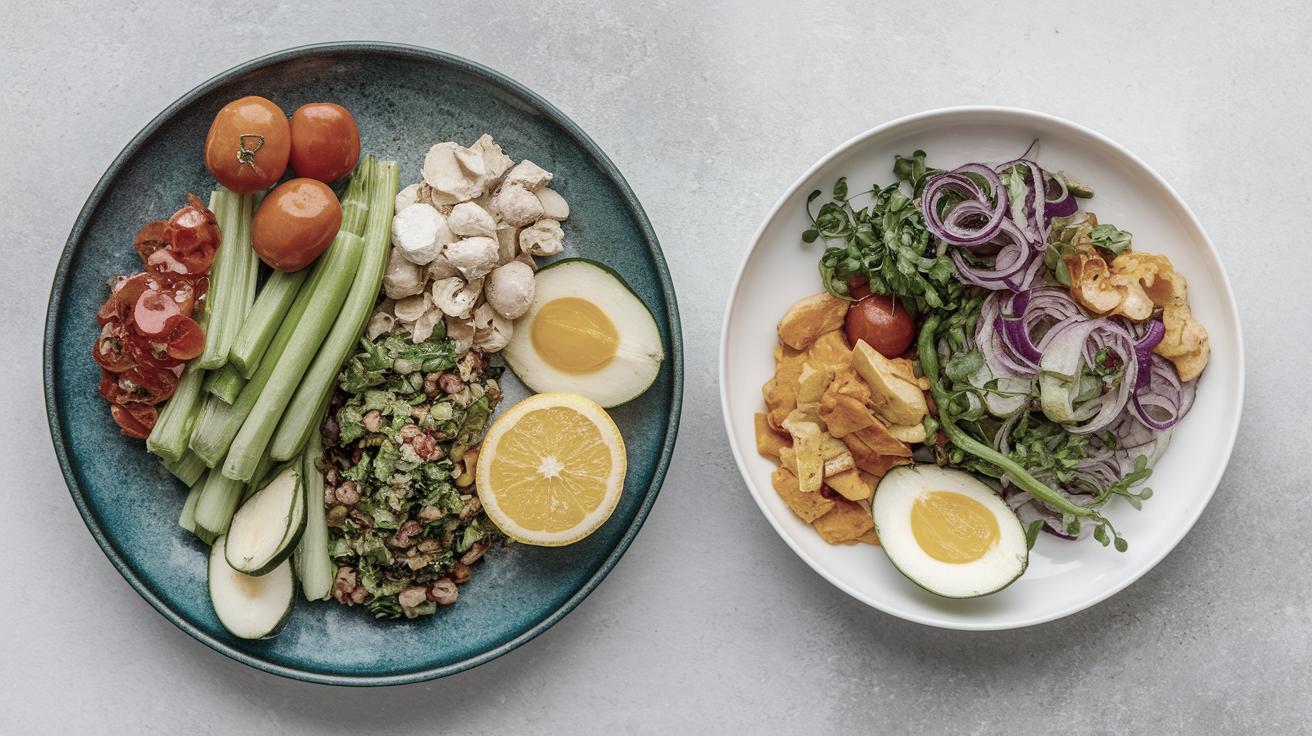
The Advantages of Steaming: A Comprehensive Guide
Steaming is a culinary method that has been embraced by chefs and home cooks worldwide. This technique offers numerous benefits, from faster cooking times to improved nutritional retention. In this blog post, we explore the advantages of steaming, highlighting why it’s a valuable addition to any kitchen. We’ll discuss how this method maintains essential vitamins, reduces cholesterol, and preserves food quality. By the end, you’ll understand why incorporating steam cooking into your routine or commercial kitchen can lead to healthier, more delicious dishes that both satisfy the palate and nourish the body.
Faster Cooking Times
One of the most appealing aspects of steaming is its capacity to reduce cooking times significantly. Unlike other methods that require heating a cooking vessel first, steaming involves direct contact with hot steam, which transfers heat more efficiently. This means foods cook much quicker, allowing you to prepare meals in a fraction of the time it would take with traditional methods like boiling or baking.
For busy families or commercial kitchens, this speed can be a game-changer. Fast cooking means less time spent in the kitchen and more time enjoying meals with family or serving customers promptly. Moreover, the consistent heat distribution ensures even cooking, preventing the common issue of some parts being overdone while others remain undercooked.
Increased Yields of Cooked Food
Another significant advantage of steaming is the increased yield of cooked food. When you boil or blanch, a significant amount of water can be absorbed by the food or lost through evaporation, shrinking the final product. Steaming, however, uses moisture that does not have direct contact with the food, helping preserve its original size and texture.
This means you get more yield from the same quantity of food compared to other methods. For both home cooks and professional chefs, this results in less food waste and more portions yielded from the same ingredients, making meal preparation more efficient and cost-effective.
Maintain Vitamins and Nutrients
Steaming is uniquely suited to preserving vitamins and nutrients in food. Because it uses steam rather than water or oil, fewer water-soluble vitamins like B and C leach out during the cooking process. This is particularly important for vegetables, which can lose a considerable portion of their nutritional value if cooked improperly.
By steaming, you ensure that your meals maintain their health benefits, delivering the essential nutrients your body requires. This technique is especially beneficial for those focusing on a healthy diet, as it allows for maximum nourishment without sacrificing taste or texture.
Lower Cholesterol Levels of Cooked Meats
Steaming offers a healthier way to prepare meats by reducing their cholesterol content. Traditional cooking methods often involve added fats and oils, which can increase the overall cholesterol levels in your meals. Steaming, however, doesn’t require oil, allowing the natural fats in meat to drain away during the cooking process.
This results in a lower cholesterol meal, which can be ideal for those monitoring their intake for health reasons. For individuals or families striving for a heart-healthy lifestyle, incorporating steamed meats is an effective strategy to enjoy delicious, yet health-conscious meals.
Preserve Food Quality
In addition to nutritional benefits, steaming also excels at preserving the intrinsic quality of food, including color, flavor, and texture. Unlike boiling, where flavors can be diluted, steaming enhances the natural taste by allowing ingredients to cook in their juices, resulting in more flavorful dishes.
The gentle nature of steam cooking also ensures that textures remain intact, making it perfect for delicate items like fish or custards. Plus, the preservation of vibrant colors in vegetables can make meals more visually appealing, which is an important aspect of overall dining satisfaction.
Adding Steam Cooking in Your Commercial Kitchen
For restaurants and commercial kitchens, adopting steam cooking can significantly enhance efficiency and menu quality. Equipment like steamers or combi ovens can streamline operations by allowing chefs to prepare multiple items simultaneously without worrying about cross-flavors or overcooking.
Moreover, the consistency of results offered by steam cooking builds trust with patrons, who expect high-quality dishes every time they visit. Whether serving soups, seafood, or desserts, incorporating steam into your kitchen not only improves the culinary output but also aligns with the growing consumer trend towards healthier eating options.
Final Thoughts
| Advantage | Benefits |
|---|---|
| Faster Cooking Times | Reduced cooking time, efficient heat transfer |
| Increased Yields of Cooked Food | More food produced from the same quantity, less waste |
| Maintain Vitamins and Nutrients | Preserves essential nutrients, especially in vegetables |
| Lower Cholesterol Levels of Cooked Meats | Reduces cholesterol content by draining fats |
| Preserve Food Quality | Maintains color, flavor, and texture for more appealing dishes |