
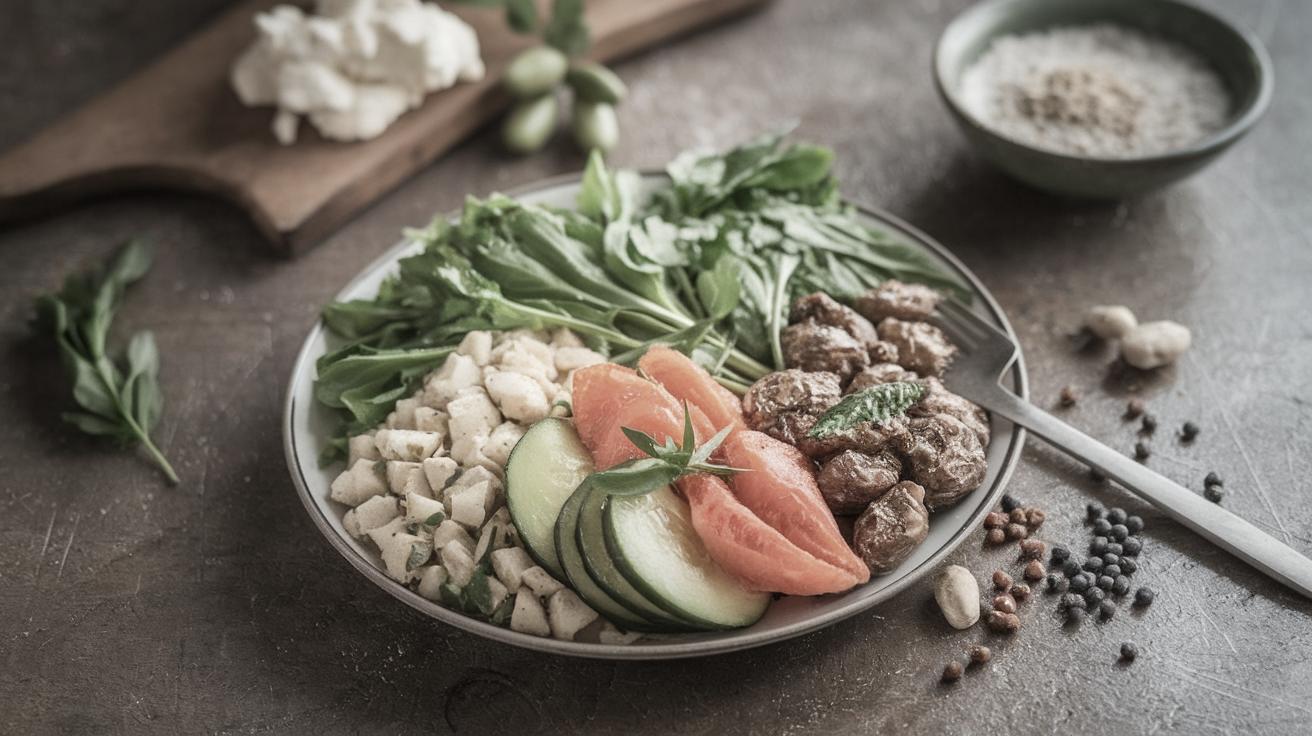
How Cooking Methods Influence Nutritional Values
Cooking is an essential part of food preparation, transforming raw ingredients into edible, delicious meals. However, the method used for cooking can significantly affect the nutritional values of food. From nutrient retention to the development of harmful compounds, each cooking process carries its advantages and drawbacks. This blog post explores how different cooking methods – boiling, grilling, microwaving, and more – alter nutrient content. It also provides tips on maximizing nutrient retention and ensuring you’re getting the most from your meals. Understanding these cooking nuances not only enhances your culinary skills but also contributes to better health and well-being.
Nutrient content is often altered during cooking
Cooking impacts the nutrient profile of foods in various ways. Heat can cause the degradation of certain vitamins, such as vitamin C and B vitamins, which are sensitive to temperature and water. As a result, cooking methods involving prolonged heat exposure or submersion in water might diminish their content in food.
On the flip side, cooking can also enhance the bioavailability of other nutrients. The process of heating food can break down fiber, making it easier to digest and absorb essential nutrients. Additionally, heating can render some beneficial compounds, such as the antioxidants in tomatoes, more accessible to the body.
Boiling, simmering, and poaching
Boiling, simmering, and poaching involve cooking food in water at varying temperatures, with boiling being the hottest and poaching the coolest. These methods are effective for cooking a wide range of foods, especially vegetables, rice, and eggs. Yet, they can also leach water-soluble vitamins, such as vitamin C and B vitamins, into the cooking liquid, leading to a significant loss of nutrients unless the liquid is consumed.
To mitigate nutrient loss, consider using the cooking water as a base for soups or sauces. Alternatively, opt for simmering and poaching over boiling to retain more vitamins. These gentler methods can help preserve the integrity of delicate nutrients while still adequately cooking the food.
Grilling and broiling
Grilling and broiling are high-temperature, dry-heat methods that impart a distinct flavor due to the caramelization and browning of food. This can strengthen the taste profile of meats and vegetables alike. However, such high temperatures can also degrade heat-sensitive vitamins and promote the formation of potentially harmful compounds, such as heterocyclic amines (HCAs) and polycyclic aromatic hydrocarbons (PAHs).
Despite these concerns, grilling and broiling allow for quick cooking, which can preserve some nutrients that would otherwise degrade in prolonged heat exposure. To reduce health risks, try marinating food beforehand and cooking over moderate heat or indirect flame.
Microwaving
Microwaving is characterized by its speed and convenience, focusing on using electromagnetic radiation to heat food molecules. It is incredibly efficient at retaining nutrients due to its short cooking times and minimal water requirement. In fact, microwaving typically preserves nutrients better than many traditional cooking methods.
However, over-cooking in the microwave can lead to nutrient loss. To make the most of this method, ensure that the cooking time is appropriate for the food being prepared. This not only helps retain nutrients but also prevents changes in the texture or flavor of the dish.
Roasting and baking
Roasting and baking involve cooking food with dry heat inside an oven. These methods are popular for a variety of dishes, from vegetables to meats and pastries, as they offer even heating and typically result in a pleasing texture and flavor. Nutrient retention in baking and roasting is generally good, especially for vegetables, as it involves minimal water.
However, degradation of certain heat-sensitive nutrients can still occur. It’s best to use moderate temperatures and avoid overly long baking times. Additionally, including a variety of colorful vegetables can ensure you are getting a wide range of nutrients even if some loss occurs.
Sautéing and stir-frying
Sautéing and stir-frying involve cooking food quickly in a small amount of oil or fat at high temperatures. Given their short cook times, these methods are quite effective in preserving the nutrients of vegetables and meats. They also allow for the incorporation of healthy oils, such as olive or sesame oil, which can enhance the absorption of fat-soluble vitamins.
To ensure maximum nutrient retention, avoid overcooking and keep the food moving in the pan. This will not only retain vitamins but also preserve color, flavor, and texture, making the meal more appealing.
Frying
Frying, which involves cooking food in hot oil, is a popular method for producing crispy textures and rich flavors. Yet, it often comes with negative connotations regarding health as it can significantly increase the calorie content of a dish. Moreover, high temperatures and prolonged cooking can destroy heat-sensitive nutrients.
To minimize negative effects, opt for healthier oils like olive oil or avocado oil and ensure the oil is at the correct temperature before adding food. Avoid double frying, and consume fried foods in moderation as part of a balanced diet.
Steaming
Steaming is one of the best methods for nutrient retention, especially for vegetables. Since it doesn’t require submerging food in water, it minimizes the loss of water-soluble vitamins. Steaming is gentle and doesn’t involve fats, maintaining the natural flavors and textures of food.
This method is ideal for preserving valuable nutrients while ensuring the food remains light and healthy. For an added flavor boost, herbs and spices can be used during the steaming process.
Tips to maximize nutrient retention during cooking
To maximize nutrient retention, consider using less water and reducing cooking time when possible. Favor methods that apply minimal heat exposure, like steaming or microwaving, and avoid high-temperature techniques that risk nutrient degradation.
Additionally, incorporating a varied diet rich in different types of vegetables and proteins can help ensure you’re obtaining an array of nutrients, even when some losses occur during cooking. Lastly, using cooking liquids in sauces or soups prevents nutrient loss and enhances flavors.
The bottom line
The way we cook affects the nutritional content of food, impacting our health and well-being. Understanding the nuances of each cooking method allows for better decision-making in the kitchen. Opt for more nutrient-friendly methods like steaming or microwaving, practice moderation with high-heat techniques, and remember the importance of a balanced diet. Empower yourself with these lessons to enhance both your culinary skills and nutritional intake.
| Cooking Method | Nutrient Impact | Recommendations |
|---|---|---|
| Boiling, Simmering, Poaching | Loss of water-soluble vitamins | Use cooking liquids in dishes |
| Grilling, Broiling | Loss of heat-sensitive nutrients; formation of HCAs and PAHs | Marinate food; moderate heat |
| Microwaving | Generally good nutrient retention | Avoid overcooking |
| Roasting, Baking | Good retention, but heat-sensitive losses can occur | Use moderate temperatures |
| Sautéing, Stir-frying | Good retention due to quick cooking | Keep food moving in pan |
| Frying | High calorie; potential loss of nutrients | Use healthy oils; moderate intake |
| Steaming | Excellent nutrient retention | Add herbs and spices |

