
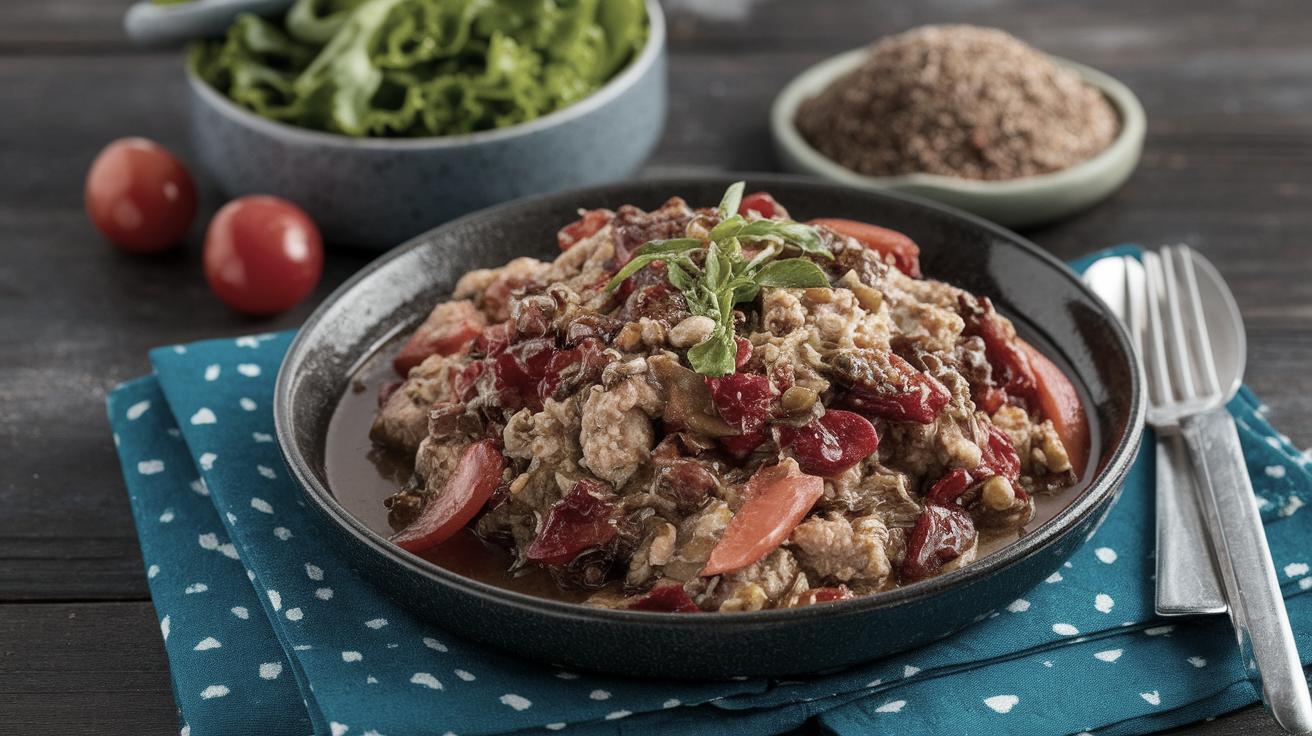
Principles of Slow Cooking for Flavor Enhancement
In today’s fast-paced world, slow cooking stands out as a method that emphasizes patience and precision to unlock rich flavors and textures in food. This article will delve into the core principles of slow cooking, exploring how it achieves flavor enhancement and why it remains a cherished culinary technique. We’ll uncover the significance of wattage in slow cooking, dissect the intricacies of the process, and understand the underlying mechanics of slow cookers. Discover the science behind the Maillard reaction and its role in flavor development. Additionally, we’ll discuss how slow cooking promotes nutrient retention and its versatility in providing diverse culinary experiences. Whether you’re a seasoned chef or a culinary novice, this guide aims to equip you with insights on how slow cooking can transform your culinary creations.
What Is Wattage?
Wattage is a crucial factor in understanding slow cooking as it represents the power consumption of your slow cooker or electric appliance. In simple terms, wattage determines how much electricity an appliance uses and how efficiently it operates. Most slow cookers have a wattage range between 200 to 300 watts, making them energy-efficient in long-duration cooking processes. A lower wattage ensures a more even and consistent heat distribution, which is integral to achieving the desired results in slow cooking.
The importance of wattage cannot be overstated, as it not only influences the cooking time but also affects the overall dish quality. A slow cooker with proper wattage settings helps in avoiding overcooking, ensuring that food retains its moisture and tenderness. While higher wattages can expedite cooking, the essence of slow cooking lies in its ability to gently and thoroughly cook ingredients over several hours, enhancing their flavors progressively.
The Slow Cooking Process
Slow cooking, at its core, is the art of preparing meals at low temperatures over an extended period. This method allows flavors to meld together harmoniously, resulting in rich, robust dishes that are difficult to achieve with faster cooking techniques. Whether preparing stews, soups, or braised meats, the process allows for the development of complex flavors as the ingredients break down and contribute to the dish’s overall taste profile.
The process involves using a controlled heat source, like a slow cooker, that allows for consistent temperature maintenance. This consistent heat ensures that proteins, fats, and carbohydrates interact at just the right pace, promoting flavor amalgamation without burning or drying out. The gradual temperature increase allows the food to tenderize naturally, enhancing the dish’s palatability and texture.
How Do Slow Cookers Work?
Slow cookers, or crock pots, are designed to simmer food at low temperatures—usually between 170°F to 280°F (approximately 77°C to 138°C). They consist of a lidded pot, often ceramic or porcelain, encased in a metal housing that contains the heating element. The gentle heat rises from the base, gradually cooking the food while the lid traps moisture, ensuring that the ingredients don’t dry out.
These appliances are engineered for convenience and energy efficiency. Once the ingredients are placed inside and the timer is set, the slow cooker needs minimal supervision, allowing cooks to focus on other tasks. Additionally, slow cookers use less energy compared to conventional ovens, making them an eco-friendly option for prolonged cooking times. This low energy consumption is complemented by the retention of flavors and nutrients, making them a favored tool in many kitchens.
The Magic of Maillard Reaction
The Maillard reaction is a fundamental chemical process responsible for the browning of food, significantly enhancing flavor and aroma. Named after French chemist Louis-Camille Maillard, this reaction occurs when amino acids and reducing sugars in the food react under heat, leading to complex flavor compounds. In slow cooking, this reaction can still take place, especially when meat or proteins are lightly seared before being slow-cooked.
Although the lower temperatures of slow cooking might limit the Maillard reaction’s intensity compared to frying or roasting, the extended cooking time allows for the gradual development of these flavors. By first browning the meat or ingredients on a stovetop, then transferring to a slow cooker, one can achieve a depth of flavor that enhances the umami characteristics of the dish, making it more savory and satisfying.
Nutrient Retention in Slow Cooking
One of the significant advantages of slow cooking is its potential to retain more nutrients compared to other cooking methods. Since food is cooked at lower temperatures and within a sealed environment, essential vitamins and minerals are preserved rather than being lost in high-heat or evaporative processes. Nutrients like vitamin C and certain B vitamins, which are susceptible to high temperatures, remain more intact when food is prepared slowly.
Moreover, since slow cooking requires less added liquid, water-soluble nutrients stay within the dish instead of being lost through evaporation. The longer cooking time also allows flavors to intensify without degrading the quality of the nutrients. This makes slow cooking an excellent method for preparing nutrient-dense meals, maintaining not only taste but also the health benefits of the ingredients used.
Exploring the Versatility of Slow Cooking
Slow cooking is not limited to just soups and stews; it offers a seemingly endless array of culinary possibilities. From pulled pork and pot roasts to desserts like cakes and puddings, the slow cooker can handle a variety of dishes that showcase diverse flavors and textures. Its versatility extends to different cuisines worldwide, allowing chefs to experiment with spices, aromatic herbs, and bold seasonings that benefit from prolonged cooking times, allowing them to penetrate and permeate the food deeply.
Additionally, the slow cooker is a friend to busy households. With its set-and-forget approach, home cooks can prepare meals in advance and leave them to cook while focusing on work or leisure activities. The result is a comforting, hot meal ready to be enjoyed at the end of the day. This adaptability to various food types and cooking styles, coupled with convenience, makes slow cooking an invaluable technique in modern culinary arts.
Future Prospects
| Aspect | Highlights |
|---|---|
| Wattage | Determines power consumption and cooking efficiency; typically between 200-300 watts. |
| Slow Cooking Process | Long-duration, low-temperature cooking for rich, complex flavors. |
| Slow Cooker Mechanics | Uses gentle, even heating with minimal supervision; energy-efficient. |
| Maillard Reaction | Enhances flavor and aroma through browning, achievable with pre-searing techniques. |
| Nutrient Retention | Preserves vitamins and minerals due to low temperatures and minimal liquid use. |
| Versatility | Adapts to a wide range of dishes and global cuisines, offering convenience and variety. |

