
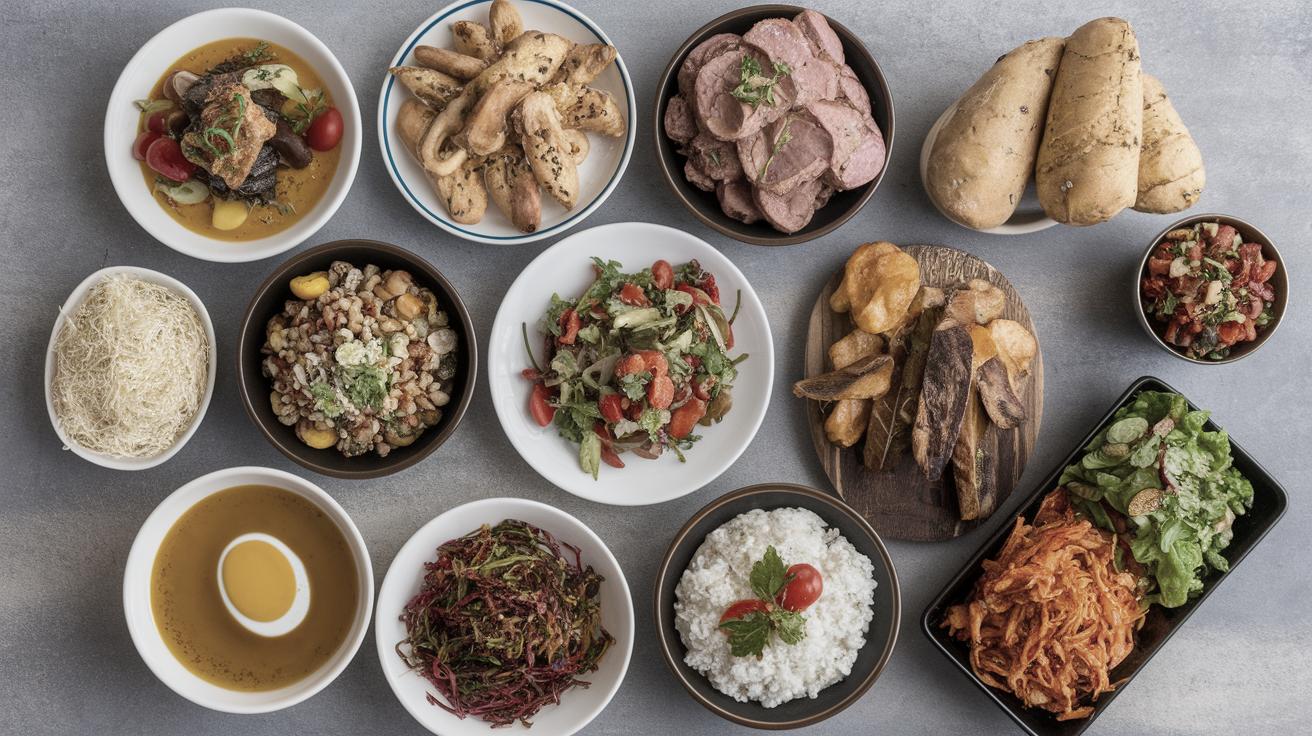
Exploring the Richness of Regional Cuisines
Embarking on a journey to explore regional cuisines opens a flavorful gateway into the culture, history, and traditions of a region. From the impact of historical and cultural influences, such as trade and migration, to contemporary trends like fusion and plant-based diets, cuisines are ever-evolving. Discovering major regional cuisines across Asia, Europe, Africa, the Middle East, and Central and South America reveals a rich tapestry of flavors and food practices. This exploration delves into how regional cuisines have evolved and what makes them unique, highlighting the cross-cultural exchanges and modern trends that continue to shape them. Let’s uncover the depth and diversity of world cuisines and learn how food connects us across boundaries.
Historical and Cultural Influences on Cuisines
Evolution of Regional Cuisines
The evolution of regional cuisines is intricately tied to the geographical and historical contexts in which they developed. Ingredients available locally often influenced the basic foundation of a region’s culinary repertoire. Over centuries, these local foods have adapted to changes like agricultural developments and climate, continually shaping how foods are prepared and consumed.
Many regional cuisines have distinct histories, involving a blend of native practices and adaptations due to new influences. As communities grew through agriculture and trade, gastronomy began to reflect a combination of indigenous and acquired tastes, resulting in diverse and nuanced food traditions in different parts of the world.
Cuisine and Cultural Exchange
Extreme cultural exchanges, particularly through migrations, have considerably altered culinary landscapes. War, conquest, and exploration have historically led to the exchange of culinary practices and ingredients. For instance, the spice trade introduced Asian spices to European cooking, forever altering their cooking styles.
Beyond spices, invasions and explorations, such as the Columbian Exchange, shifted established food norms and introduced elements like tomatoes to Europe and sugarcane to the Americas, enriching regional cuisines. Cultural interactions often resulted in fusion, borrowing techniques and ingredients to create unique new dishes.
Influence of Trade on Gastronomy
Trade routes have been instrumental in shaping global cuisines. The Silk Road, for example, wasn’t just a path for silks and jewels but an exchange of recipes, spices, teas, and cooking techniques that transformed Asian and European gastronomy.
Maritime trade expanded reach even further, bringing ingredients and techniques to distant shores. With ships came new foods, like sweet potatoes and coffee, that embedded themselves into the culinary fabric of foreign lands, adding layers of complexity to native cuisines.
Major Regional Cuisines
Asian Cuisine
Asian cuisine is a vast palette of rich, diverse flavors. Known for its balance of sweet, sour, salty, and spicy, dishes vary widely from region to region. From the spicy curries of India to the fresh sushi of Japan and the savory noodles of China, each country offers distinctive culinary treasures.
The strong emphasis on freshness and presentation is a hallmark of Asian cuisine. Cooking methods such as stir-frying, steaming, and fermenting create dishes packed with vibrant flavors. Numerous fragrant spices and herbs, such as ginger and lemongrass, create layers of flavor within traditional Asian cooking.
European Cuisine
European cuisines range from the hearty, rustic dishes of Eastern Europe to the Mediterranean’s olive oil-laden delicacies. French cuisine, with its emphasis on technique and sauces, contrasts with the simplicity of Italian cooking which focuses on high-quality, fresh ingredients.
Tradition plays a significant role in Europe where meals are seen as a social occasion. Whether it’s the Spanish tapas, offering a variety of smaller dishes, or the German Oktoberfest full of meaty sausages and beers, each invites a communal experience through food.
African and Middle Eastern Cuisine
African cuisine reflects the continent’s vast diversity with flavors ranging from the spicy stews of West Africa to the Arabic-influenced dishes of North Africa. Staple ingredients often include grains, rice, and vegetables, with each region offering unique spices and cooking techniques.
Middle Eastern cuisine offers a tapestry of bold flavors and aromas with dishes rich in spices such as cumin, coriander, and cinnamon. Ingredients like olives, wheat, lamb, and dairy feature prominently, revealing the cultural intricacies influenced by trade and conquest.
Central and South American Cuisine
Central and South American cuisines are known for their vibrant colors and flavors, with staples such as corn, beans, and chili peppers. Mexican cuisine additionally draws on indigenous ingredients blended with Spanish influences to create rich moles and tacos.
South American food is equally diverse, with countries like Brazil offering barbecued meats and tropical fruits, and Peru known for its ceviche and quinoa-based dishes. These cuisines beautifully echo the confluence of colonial and indigenous culinary heritages.
Contemporary Trends in Global Cuisines
Fusion and Hybrid Cuisines
Fusion cuisines have risen in popularity as the global village contracts, blending culinary traditions and techniques from different cultures. Sushi burritos and Korean tacos are examples of creative fusions that highlight the innovation within the culinary space.
These hybrid dishes cater to adventurous palates, offering a cross-pollination of flavors that honor traditions while introducing novelty. Accessibility to diverse ingredients and an increase in global travel have made fusion cuisines a dynamic segment of the food industry.
Rise of Vegetarian and Plant-Based Options
The rise of vegetarian and plant-based diets has resulted in a transformative shift in how global cuisines are prepared and consumed. Many traditional recipes are being adapted with plant-based substitutes that maintain authentic flavors while promoting sustainability.
Restaurants worldwide are adopting this trend, offering diverse plant-based menus that cater to health-conscious consumers. This shift extends to traditional meat-centric cuisines allowing more inclusivity and innovation in culinary offerings.
Summary of Main Points
| Section | Contents |
|---|---|
| Historical and Cultural Influences on Cuisines | Explains the evolution of cuisines and the impacts of cultural exchanges and trade on regional flavors. |
| Major Regional Cuisines | Describes cuisines from Asia, Europe, Africa, the Middle East, and Central and South America, emphasizing unique elements of each. |
| Contemporary Trends in Global Cuisines | Covers modern trends like fusion cuisines, and the rise of vegetarian and plant-based diets. |

