
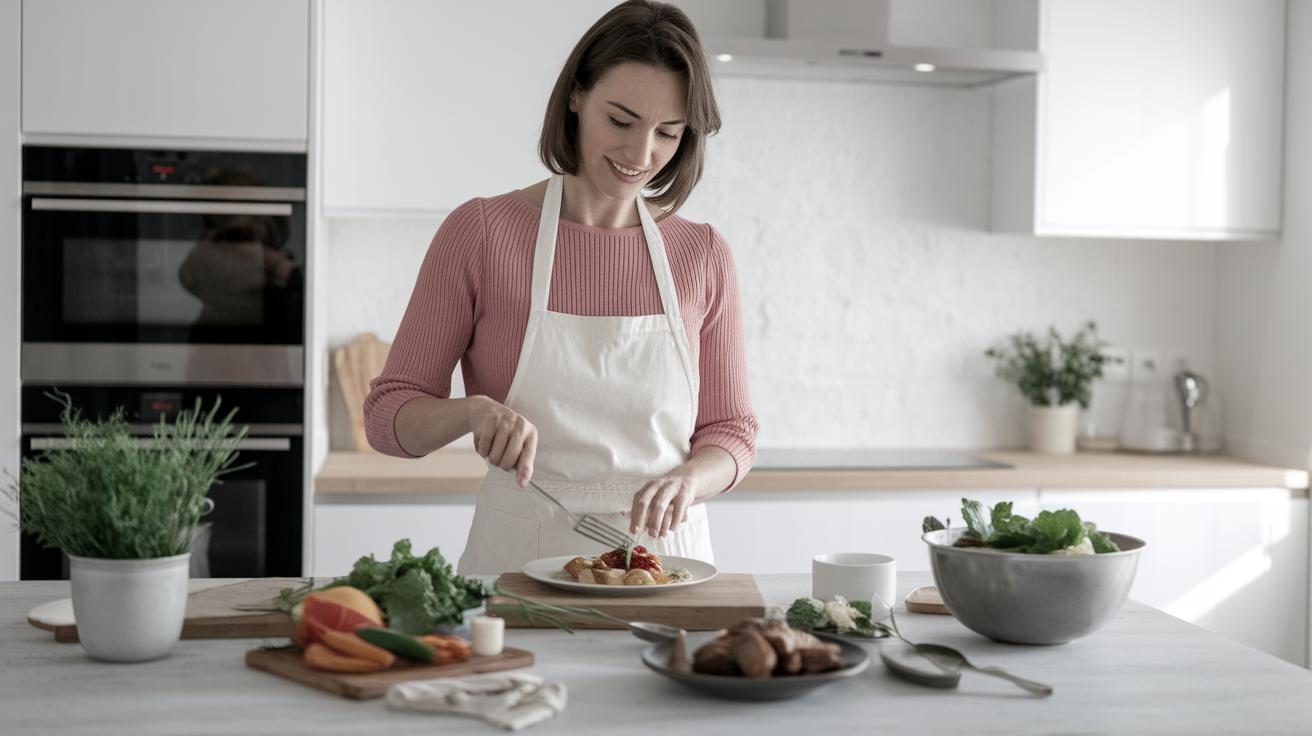
How to Manage Food Allergies in Cooking
Managing food allergies in cooking is an essential skill for protecting loved ones and guests. This comprehensive guide covers essential kitchen tips for safe meal preparation, explores a variety of allergy-friendly recipes, and discusses living with food allergies as an adult. By following the advice of experts such as Amy Chow, Alex & Thea, and Linda Kirste, RD, you can easily adapt your cooking habits to create delicious meals that are safe for everyone. Learn about substitution strategies, dedicated cooking spaces, and creative solutions to maintain flavor and texture as you cook worry-free meals.
Kitchen tips
Back-to-school recipes by Amy Chow
Amy Chow emphasizes the importance of identifying potential allergens, especially for children returning to school. Parents can collaborate with teachers and school staff to ensure that their child’s allergies are well understood and accommodated. Sharing information about allergens, including safe-to-eat recipes, can make a significant difference in preventing accidental exposure. Preparing allergy-safe snacks for school helps children avoid temptation and ensures they have food they can safely enjoy.
Amy’s back-to-school recipes focus on popular kid-friendly meals that can easily eliminate common allergens. For instance, her sunflower seed butter and jelly sandwiches are a safe alternative to peanut butter. She suggests using rice milk instead of cow’s milk for popular dishes like macaroni and cheese. Incorporating alternative grains like quinoa and gluten-free pasta can provide diverse meal options without triggering gluten allergies.
Allergy-friendly recipes
Allergy-friendly kitchen with Alex & Thea
Alex & Thea, the dynamic duo behind a successful allergy-friendly food blog, have curated an impressive collection of recipes that cater to various allergies. Their kitchen philosophy revolves around the idea of inclusivity, offering delicious options that everyone can enjoy. By focusing on ingredient substitutions, they craft meals that remain flavorful and satisfying without compromising safety.
Some of their hallmark dishes include a creamy, nut-free pesto made with pumpkin seeds instead of pine nuts, and a dairy-free risotto rich with umami flavors from nutritional yeast. They emphasize the need for keeping a separate cutting board and utensils for allergen-free meal prep to avoid cross-contamination. Alex & Thea also advocate for double-checking ingredient labels, as formulations can change after being initially identified as safe.
Allergy-friendly recipes from Linda Kirste, RD
Registered Dietitian Linda Kirste specializes in crafting balanced, nutrient-rich meals for those with dietary restrictions. Her approach to allergy-friendly cooking involves understanding patients’ specific needs and offering tailored recipe solutions. By focusing on whole foods and natural ingredients, she ensures that nutrition is front and center in every meal.
Linda provides recipes like a tofu stir-fry that replaces soy sauce with coconut aminos, catering to both soy and gluten allergies. Her egg-free baking recipes use apple sauce or chia seeds as natural binding agents. For those with lactose intolerance or dairy allergies, she suggests using calcium-fortified plant-based milks, such as almond or oat milk, to maintain essential nutrient intake.
Adults with allergies
Living with food allergies as an adult requires vigilance and proactive planning, particularly for those navigating shared kitchens or dining out. Managing allergies often involves reading food labels carefully to ensure new food products are safe. When eating out, it’s crucial to communicate with restaurant staff about food preparation practices and possible cross-contamination.
Adults with food allergies may also benefit from carrying an allergy alert card and a medical ID bracelet, which can help inform others in case of an emergency. Maintaining a personal food diary helps track symptoms and identify potential allergens that might not have been previously considered. Planning meals at home can involve experimenting with new flavors and ingredients to keep meals exciting while managing restrictions.
| Section | Key Points |
|---|---|
| Kitchen tips | Effective collaboration with schools, allergen-free recipe alternatives, and safe snack preparation. |
| Allergy-friendly kitchen with Alex & Thea | Ingredient substitutions, cross-contamination prevention, and label vigilance. |
| Allergy-friendly recipes from Linda Kirste, RD | Nutrient-focused whole foods, soy and gluten-free alternatives, and dietary flexibility. |
| Adults with allergies | Vigilant label reading, dining out strategies, and personal health tracking. |
This HTML content is structured to provide a comprehensive guide on managing food allergies in cooking, complete with practical tips, expert advice, and innovative recipe ideas, all aimed at ensuring safe and delicious meals for everyone.

