How to Influence Textures Through Culinary Techniques
Textures in food play a quintessential role in shaping our gastronomic experiences. While taste often gets the bulk of attention, the feel of food as it interacts with our palate can elevate an ordinary meal to extraordinary heights. From the comforting creaminess of mashed potatoes to the addictive crunch of potato chips, the art and science of manipulating texture are as expansive as they are fascinating. This blog post delves into the intricate relationship between mouthfeel and enjoyment, how cultures worldwide prioritize texture, and the burgeoning innovations in gastronomy that are pushing boundaries. By the end of this exploration, you’ll discover the pivotal techniques that chefs and food scientists employ to craft unforgettable textures, making every dish a delightful adventure.
The Science of Mouthfeel
Key Points
Mouthfeel refers to the physical sensations a food or beverage creates in the mouth, distinct from its taste and aroma. It’s a key aspect of food science, capturing qualities like viscosity, astringency, and temperature. Understanding these qualities allows chefs to create dishes that engage multiple senses simultaneously, enriching the dining experience.
Various factors contribute to mouthfeel, including the size, shape, and composition of food particles, as well as how they behave when combined with saliva. These complexities make it a vital area of focus for culinary professionals aiming to perfect their craft. By deconstructing these elements, we gain insights into how slight modifications can drastically alter the perceivable texture.
Decoding Textural Perception
Our perception of food texture is a blend of sensory inputs that include the tactile sense of pressure, temperature perception, and even auditory cues like crunchiness. Research shows that texture impacts not only taste perception but also overall satisfaction and perceived quality of a dish. This explains why a dish may taste dull if it’s not paired with an expected texture.
Advances in neuroscience reveal that our experience of texture is connected to the emotive centers of the brain. For instance, a soft, creamy texture may evoke comfort, while a crunchy texture can be invigorating. Understanding these relationships provides chefs with the tools needed to create targeted sensory experiences tailored to emotional outcomes.
Beyond Taste Buds
The Psychology of Crunch, Cream, and Chew
Beyond the biological response, there lies a psychological component that links texture to satisfaction. The sensation of crunchiness, for example, is often associated with freshness or high quality. Our propensity to enjoy creamy textures stems from a naturally ingrained perception of richness and indulgence.
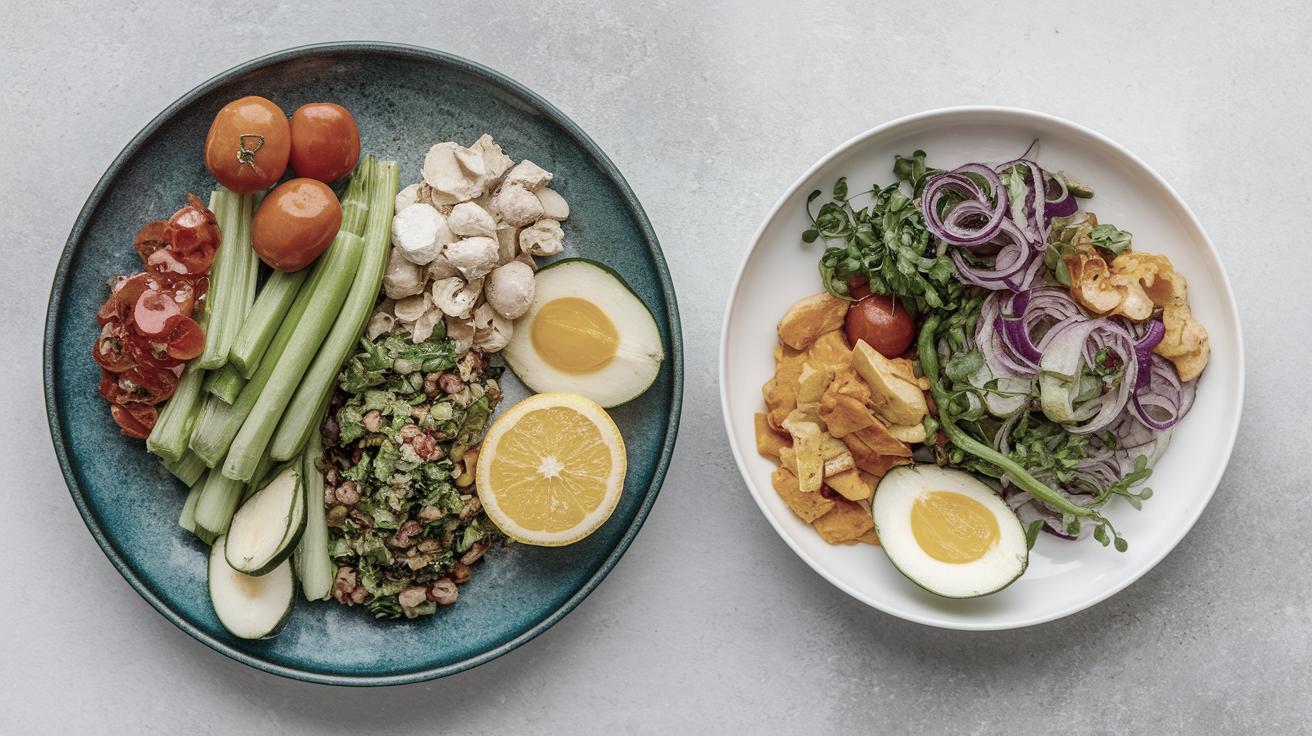
Textural diversity in a dish contributes to dynamic and engaging meals. By combining differing textures, chefs can maintain a diner’s interest over the course of a meal. This, in turn, enhances the likelihood of repeat business and the sharing of positive dining experiences through word of mouth and social media.
Cultural Contexts
How Global Cuisines Manipulate Texture to Enhance Flavor
Various cultures prioritize texture in their cuisines, sometimes equaling or even surpassing the importance of flavor. For instance, Chinese cuisine often emphasizes the interplay between different textures, such as the contrast between crispy and tender, that can define a dish’s authenticity and appeal.
Textural variation is also a hallmark of Japanese cuisine, where ingredients like tempura or mochi offer distinct mouthfeels. The global fascination with such culinary traditions indicates how pervasive the influence of texture is in shaping our dining preferences, reinforcing that taste is but one piece of a gastronomic puzzle.
Innovations in Gastronomy
How Chefs and Food Scientists Engineer Texture for Taste
Today’s revolutionary gastronomic techniques often revolve around inventive uses of texture. Molecular gastronomy, for instance, employs methods like spherification and foam production to surprise and delight customers by defying traditional textural expectations. Such techniques draw upon principles of chemistry and physics to craft unique textural profiles.
Food scientists are also leveraging textural innovation to address dietary needs, creating low-fat or gluten-free versions of popular foods without sacrificing mouthfeel. By tailoring texture to meet health criteria, these experts ensure that dietary restrictions do not reduce the culinary enjoyment.
Summary of Main Points
| Section | Main Points |
|---|---|
| The Science of Mouthfeel | Explores the parameters defining mouthfeel, like viscosity and astringency, and their crucial role in the taste experience. |
| Beyond Taste Buds | Discusses the psychological effects of texture on perceived satisfaction and engagement in food consumption. |
| Cultural Contexts | Examines how different cultures use texture to enrich cuisine and enhance flavor perception. |
| Innovations in Gastronomy | Details the cutting-edge techniques in texture manipulation by chefs and food scientists to improve or create new culinary experiences. |