
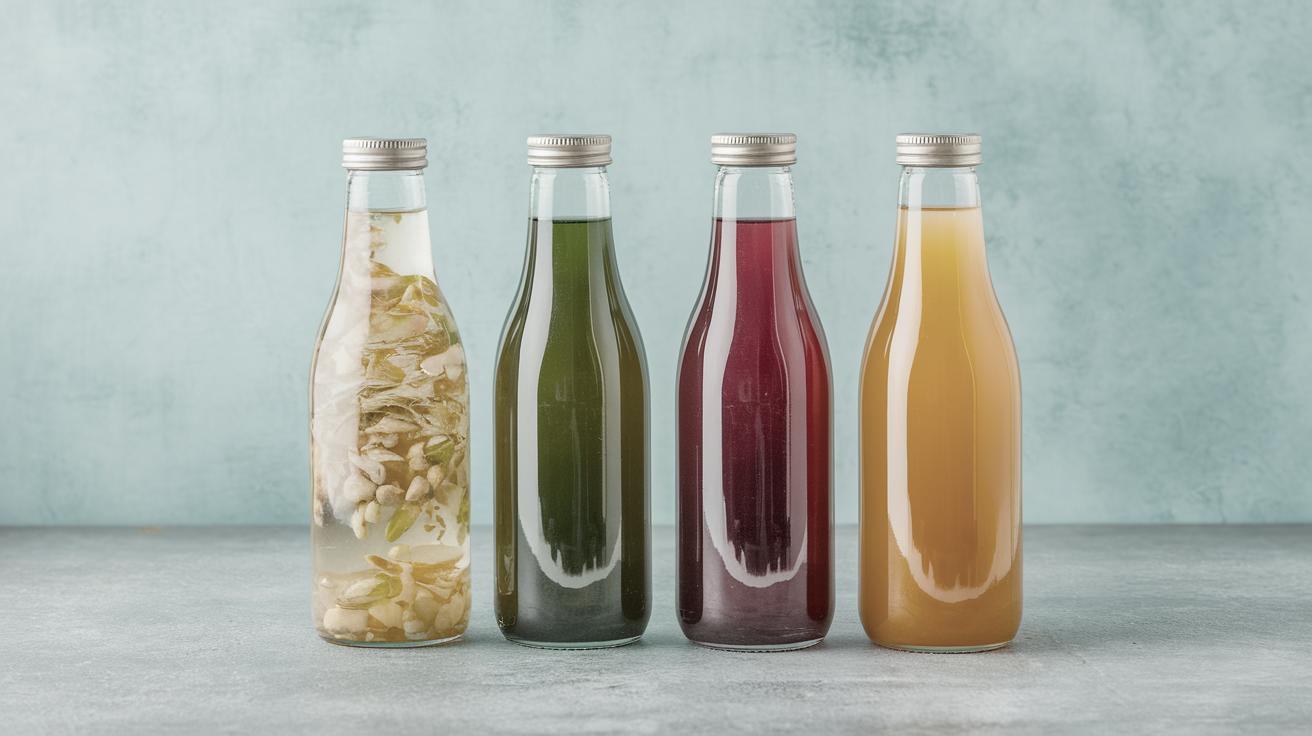
How to Make Homemade Fermented Drinks
Discover the fascinating world of homemade fermented drinks, a journey back to primitive wild fermentation methods. Learn how to create your own cider vinegar from scratch, explore traditional beer ingredients, and identify wild plants used in beverages for centuries. Along the way, get inspired to try your hand at a Dandelion Espresso Martini or prepare a delicious bilberry jam. Whether you’re curious about the legality of foraging in the UK or interested in making handmade soap from horse chestnuts, this guide offers you comprehensive steps, tips, and related resources to expand your homemade fermentation repertoire.
Primitive Wild Fermented Drinks
Primitive wild fermented drinks are among humanity’s earliest culinary creations, dating back to ancient times. These unique beverages rely on wild yeast and bacteria present in the environment to initiate fermentation. Unlike modern fermentation, which uses cultivated yeast strains, wild beverages capture the essence of their surroundings, offering taste profiles that are as diverse as they are unpredictable.
Incorporating locally sourced ingredients, primitive wild fermented drinks emphasize experimentation. From honey and fruit juices to roots and herbs, the possibilities are boundless. Whether crafting a fruity mead or experimenting with herbal concoctions, these drinks celebrate the rich tapestry of nature, making each batch a unique story of creative exploration and tradition.
Homemade Cider Vinegar Recipe
Making your own cider vinegar at home is a rewarding process that transforms simple ingredients into a versatile pantry staple. Start with fresh apples, ideally organic, to avoid pesticide residues. Cut the apples, cover them with water, and let natural fermentation occur over a few weeks.
In the first stage of fermentation, yeast transforms the sugars into alcohol. Then, acetic acid bacteria convert the alcohol into acetic acid, giving cider vinegar its distinct tang. The process requires minimal intervention, just regular stirring and a watchful eye, and results in a flavorful, homemade vinegar perfect for culinary and health purposes.
Here is a list of some of the plants that have been used traditionally in beers (click the link on each to be taken to our foraging and identification guide for that species)
Foraging in Summer
Summer is the prime season for foraging, as nature offers a bounty of plants ripe for exploration. Wild hops, elderflowers, and yarrow are just a few examples of plants commonly used in traditional brewing during this time. Each plant contributes unique flavors and aromas to beer, enhancing its character.
The process of foraging requires knowledge and respect for nature. Understanding plant identification, sustainable harvesting techniques, and ecosystem dynamics ensures we maintain the delicate balance of our natural environment while enjoying its offerings.
Dittander (Lepidium latifolium) Identification
Dittander, also known as pepperweed, is a perennial plant that was historically used for its pungent leaves, resembling the flavor of a mustardy horseradish. It is identifiable by its tall, branching stems and elongated, lance-shaped leaves.
The plant thrives in coastal areas, favoring saline environments. Its leaves and seeds can be incorporated into various dishes, providing a spicy kick reminiscent of pepper. As a foraging subject, dittander offers both culinary exploration and a connection to traditional practices.
Pennywort (Umbilicus rupestris) Identification
Pennywort is a succulent perennial recognized by its distinctive, navel-shaped leaves and preference for damp, shady locations, such as stone walls and wooded areas. It is often used in salads and herbal remedies due to its mild, refreshing taste.
Foragers appreciate pennywort’s accessibility and nutritional benefits, including vitamins and antioxidants. Its subtle flavor makes it a versatile addition to various culinary dishes, expanding the palate of wild-crafted ingredients.
Angelica (Angelica sylvestris) Identification
Angelica is a biennial plant known for its towering, hollow stalks and sweet, aromatic seeds. Its large, fern-like leaves and umbrella-shaped clusters of tiny white flowers are its botanical signatures.
Traditionally, angelica has been used in both culinary and medicinal contexts. The entire plant is fragrant, and its sweet flavor profile complements desserts, liqueurs, and teas, bringing layers of complexity to homemade concoctions.
Dandelion Espresso Martini: No 1 Cocktail From Field to Glass
The Dandelion Espresso Martini is a testament to the versatility and richness of foraged ingredients, blending the robust flavor of dandelion roots with the classic coffee cocktail. To craft this creative drink, gather dandelion roots, clean and dry them, and roast them to develop an espresso-like depth.
Combine the roasted dandelion with your choice of artisan spirits, coffee liqueur, and freshly brewed coffee. The resulting martini not only showcases the unique flavor of dandelion but also connects the drinker to the natural world, reinforcing the joy of crafting farm-to-table beverages.
Is foraging legal in the UK?
Foraging is generally legal in the UK on public lands, with an exception for protected areas like nature reserves. The right to legally gather wild food is recognized under certain guidelines, ensuring the activity does not harm the environment or encroach upon private lands without permission.
It’s crucial for foragers to adhere to the principles of sustainable and ethical harvesting. By respecting local bylaws and practicing mindful foraging, enthusiasts can enjoy nature’s bounty responsibly and sustainably within legal parameters.
Delicious Homemade Bilberry Jam Recipe: 1 Great Jar of Flavour
Crafting bilberry jam at home is a delightful way to enjoy the intensely flavorful fruit. To begin, gather or purchase fresh bilberries, known for their tartness and vibrant color. Cook the berries slowly with sugar and lemon juice, allowing them to reduce to a thick, luscious consistency.
As you jar the jam, its rich purple hue and delightful tanginess will become a staple accompaniment for breads, desserts, or cheese platters. Whether sourced from wild forages or local farms, bilberry jam brings a taste of the wilderness to homemade kitchens.
Making Handmade Horse Chestnut Soap: No 1 Step-by-Step Guide
Creating handmade soap using horse chestnuts introduces an eco-friendly, natural alternative to commercial soaps. Begin by harvesting mature horse chestnuts, pulverizing them into a fine powder, and mixing with essential oils and other natural ingredients for a creamy lather.
This process highlights sustainable crafting practices, reducing artificial chemical usage while producing an artisanal soap with nurturing properties. The refreshing handmade soap often reflects both creativity and a commitment to returning to more traditional, handcrafted methods.
Related Posts
-
5 Wild Herbs You Need in Your Kitchen
-
Beginner’s Guide to Mead Making
-
Exploring Herbal Teas: Nature’s Healing Wonders
Summary of Main Points
| Section | Content Summary |
|---|---|
| Primitive Wild Fermented Drinks | Explores ancient techniques and the diverse flavors of wild yeast and bacteria fermented drinks. |
| Homemade Cider Vinegar Recipe | A guide to creating cider vinegar from fresh apples, showcasing the alchemy of natural fermentation. |
| Foraging in Summer | Discusses the abundance of plants available in summer for brewing traditional beer. |
| Dittander Identification | Details the characteristics and culinary uses of the spice-rich plant dittander. |
| Pennywort Identification | Identification tips and nutritional benefits of the common succulent, pennywort. |
| Angelica Identification | Covers the features and uses of the sweet aromatic plant, angelica. |
| Dandelion Espresso Martini | Recipe for a cocktail blending dandelion root’s earthy flavor with classic martini elements. |
| Foraging Legality in the UK | Outlines legal considerations and ethical foraging practices in the UK. |
| Bilberry Jam Recipe | Instructions for crafting richly flavorful bilberry jam. |
| Handmade Horse Chestnut Soap | Steps to create environmentally friendly soap using natural ingredients. |

